France's Unseenlabs Launches First Second-Generation Satellite to Expand RF Intelligence Capabilities
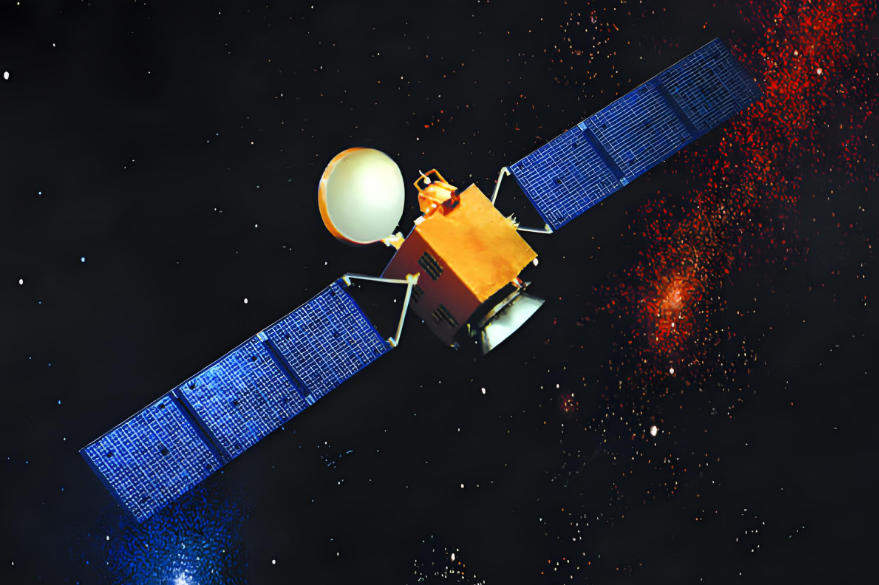
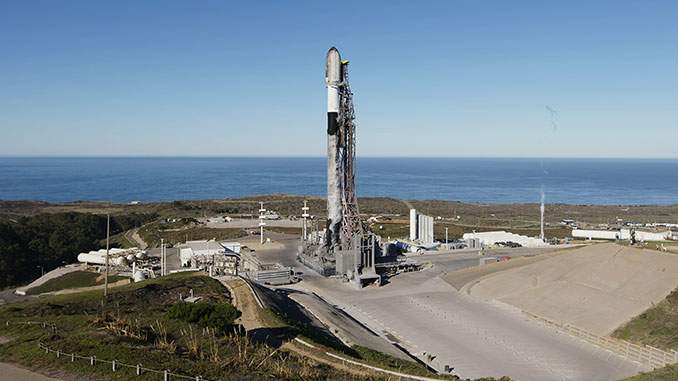
en.Wedoany.com Reported - Space-based RF detection company Unseenlabs has deployed the first satellite of its second-generation constellation, extending RF detection capabilities to multi-domain awareness covering oceans, land, and space. The satellite, designated BRO-31, was integrated by German integrator Exolaunch and launched aboard a SpaceX Falcon 9 rocket as part of the Transporter-17 rideshare mission from Vandenberg Space Force Base in California.
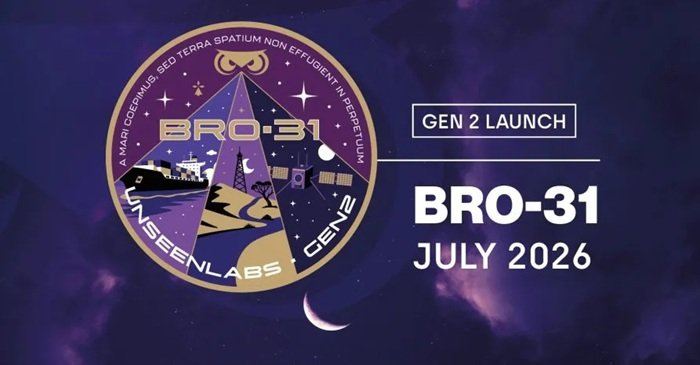
The second-generation constellation plans to extend detection coverage to the L, S, C, X, and Ku frequency bands. Like the first-generation constellation, the project uses the company's proprietary single-satellite technology to independently detect these frequencies, covering a geographic area of up to 1 million square kilometers. Unseenlabs' satellites can independently geolocate RF emitters without relying on data from multiple satellites in a formation, thereby improving the efficiency, discrimination, and cost-effectiveness of intelligence collection. The two constellations are expected to jointly provide geolocation, characterization, and identification of large-scale RF activities anywhere on Earth or in orbit, unaffected by weather or atmospheric conditions.
Craig Brower, President and CEO of Unseenlabs US, stated that the second-generation constellation provides comprehensive RF coverage across more ground, more frequencies, and more domains for U.S. defense, intelligence, and commercial customers. By integrating RF detection into geospatial intelligence workflows, analysts can obtain earlier indications of activity and have clearer context regarding situations in maritime, land, and space environments, thereby making downstream imagery and intelligence products more timely and relevant.
The first second-generation satellite, BRO-31, marks a technological and industrial milestone. Building on the first-generation 15-kilogram nanosatellites, BRO-31 is a 150-kilogram microsatellite offering significantly enhanced detection capabilities and coverage, serving a wider range of dual-use RF intelligence applications, including maritime surveillance, spectrum and interference monitoring, telecommunications infrastructure assessment, and more. The second-generation constellation also expands situational awareness in contested and complex environments, including monitoring of systems operating across land and space. This is becoming a priority, especially for the defense sector, as GNSS jamming, satellite interference, and electromagnetic competition and threats intensify.
With nearly a decade of operational experience and two complementary constellations currently in orbit, Unseenlabs enters this new phase as the world's most experienced commercial RF operator and the only provider of unique single-satellite technology at scale.
Related Products




GYTA Type Non-Self-Supporting Aerial/Duct Optical Cable
TONGDING INTERCONNECTION INFORMATION CO., LTD.
Industrial and Commercial Point-Type Gas Detector
Jinan Benan Technology Development Co., Ltd.

Mine Explosion-proof and Intrinsically Safe Industrial Ethernet Ring Network (10 Gigabit/Gigabit)
Chongqing Mas Sci&Tech Co., Ltd.

Hot Selling 10 Inch Intel N5100 I5 I7 FHD 8 +128GB 16+256GB Win10 Pro Win11 Pro 4G 5G Rugged Tablet PC Pad with NFC Barcode
Highton Electronics Co., Ltd.
Comprehensive Mining Automation Control System
Beijing Tianma Intelligent Control Technology Co., Ltd.