en.Wedoany.com Reported - South African Transport Minister Barbara Creecy announced at the Southern African Transport Conference in Pretoria that three major freight private sector participation (PSP) projects will be brought to market as planned within the current fiscal year, with railway and port reform plans still progressing.
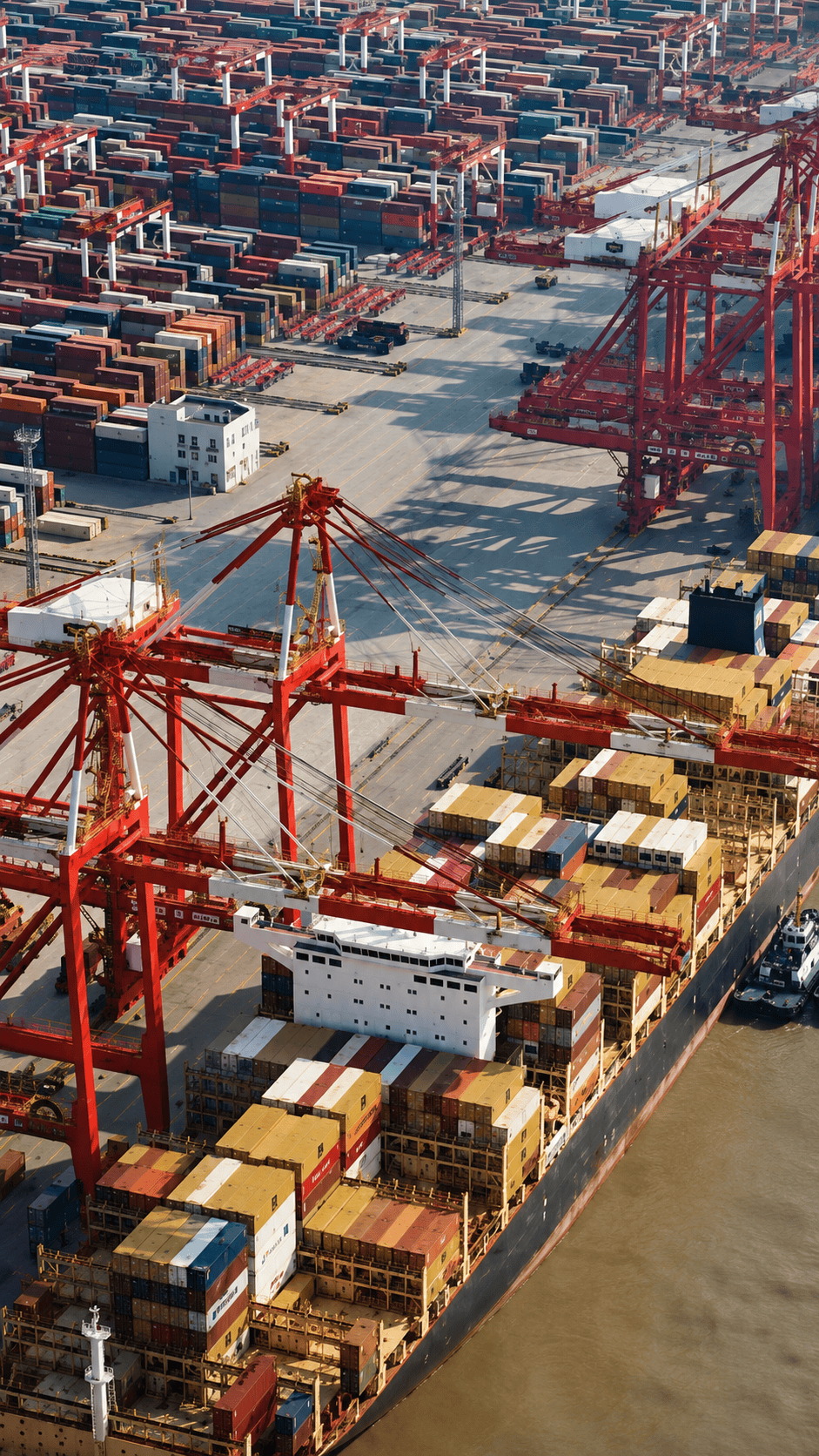
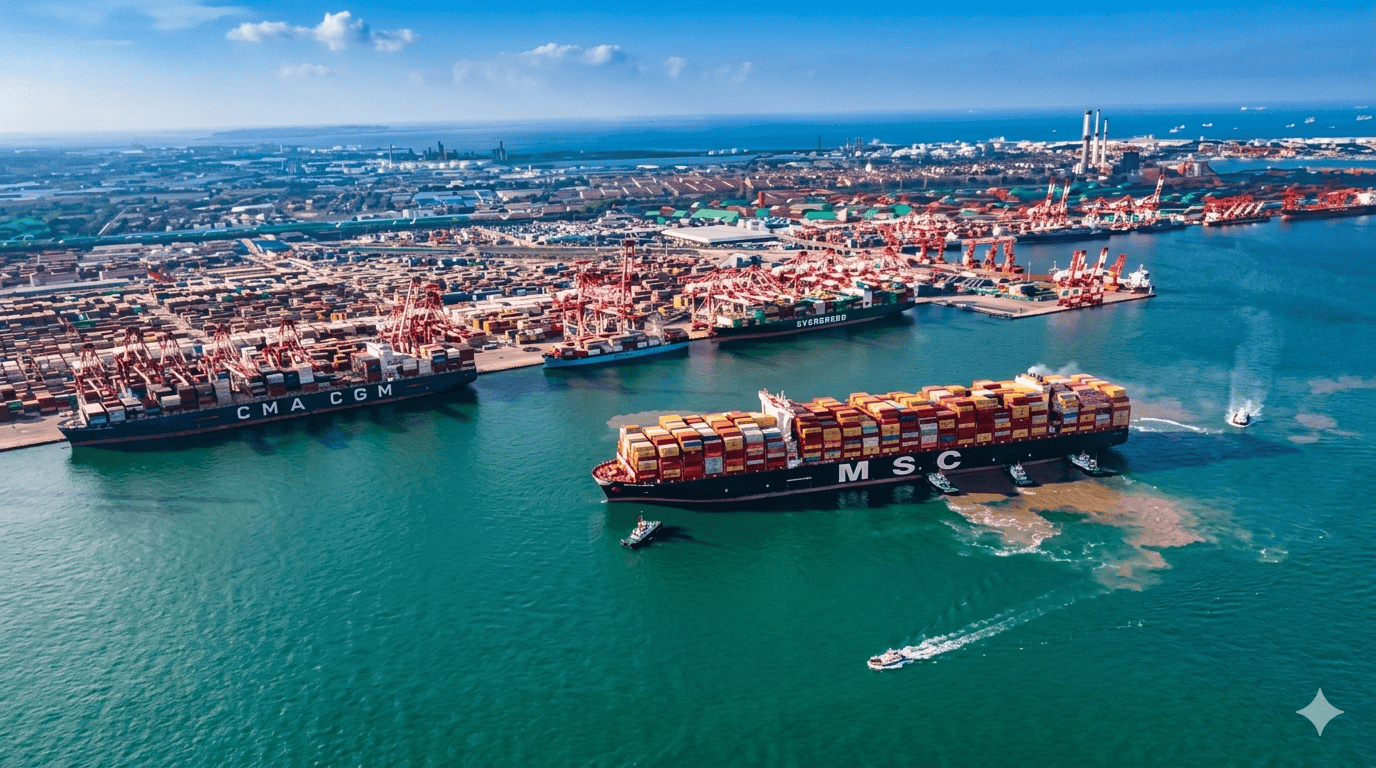
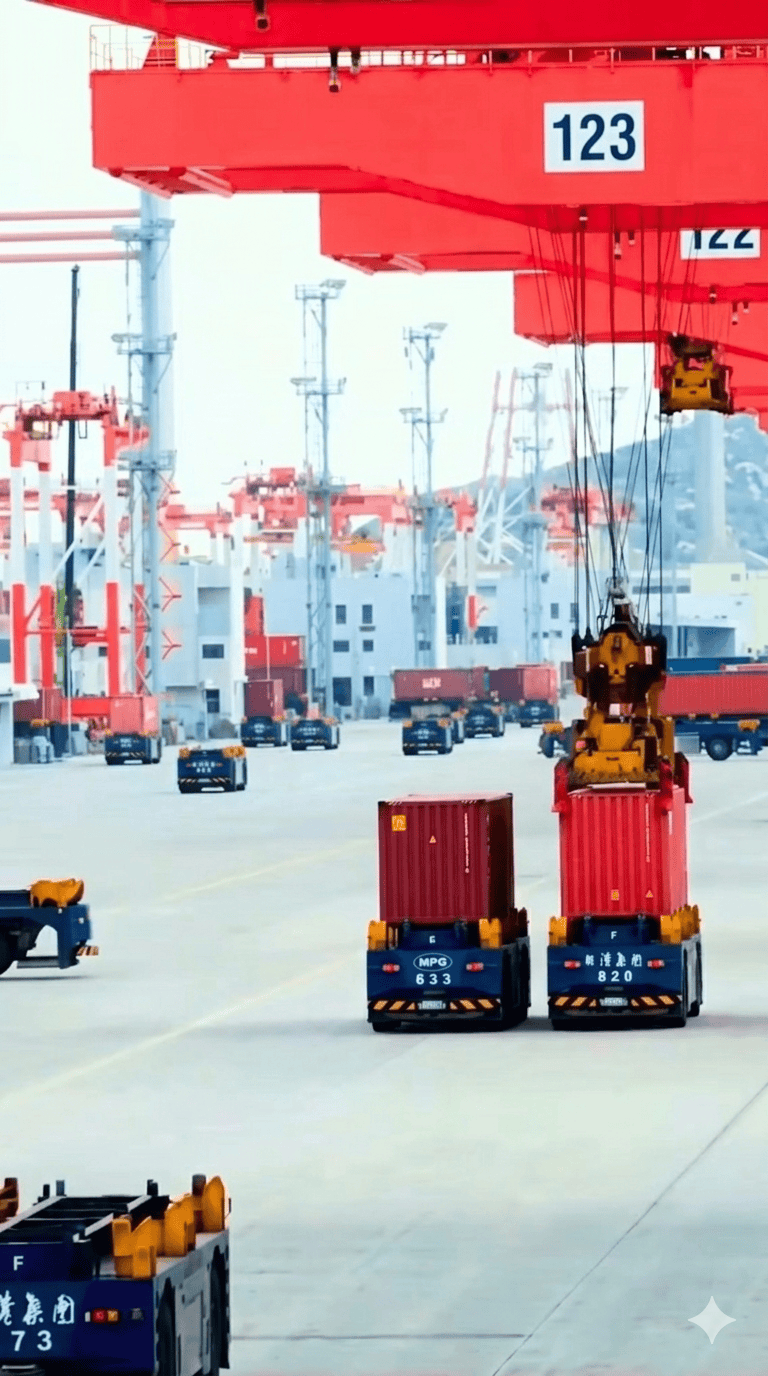
These projects include the Ngqura Manganese Export Corridor, the Richards Bay Dry Bulk Terminal, and a container project, forming part of broader reforms to expand private sector participation in South Africa's freight railway and port system. Creecy stated that railway and port reform remains central to the government's transport agenda, as it seeks to rebuild the national logistics system and enhance competitiveness.
The government's private sector participation plan made progress in January 2025, when Transnet unveiled plans to franchise selected railway corridors and port terminals to private operators, aiming to improve operational performance, attract investment, and increase freight volumes.
In May this year, Creecy confirmed during the budget vote that freight PSP projects remain central to the government's logistics reform plan. She stated that with the approval of 11 private train operating companies (TOCs), the project pipeline is advancing, and the government aims to transport 250 million tons of goods through the Transnet railway network by 2030.
Creecy reiterated this week that the 11 TOCs approved in March are expected to begin operations on the national railway network from April 2027, and these operators will contribute to the government's goal of transporting 250 million tons of goods through the Transnet railway network by 2030.
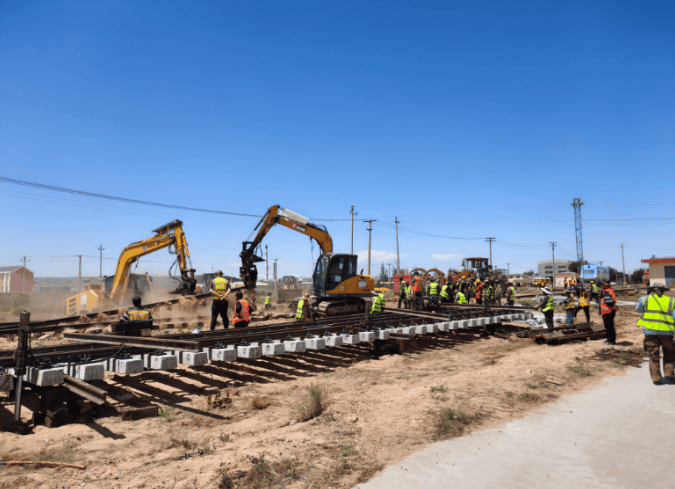
Guided by the National Railway Policy and the National Freight Logistics Roadmap, the railway reform plan aims to re-establish railways as the backbone of South Africa's freight logistics system. Creecy noted that in the current local and global environment, a strategic shift from road to rail is crucial, and increasing railway utilization can enhance road safety, reduce road congestion and pavement wear, and lower carbon dioxide emissions.