Malaysia Invests $4.9 Million to Launch Small-Scale Production of Graphene Lithium-Ion Batteries
en.Wedoany.com Reported - In 2026, driven by demand, the domestic lithium hexafluorophosphate market has ended its previous production loss phase, with prices once breaking through 160,000 yuan per ton. Although market prices generally surged and then fell in the first half of the year, the profitability of industry companies has significantly improved. Several listed companies, including Tinci Materials and Do-Fluoride, recently issued positive performance forecasts, and the market generally holds a bullish outlook on the future supply-demand dynamics of lithium hexafluorophosphate.
A research report from CSC Financial indicates that the sharp decline in lithium prices this week was mainly suppressed by expectations of a loosening supply side. The resumption of production at Jiangxi lithium mines and the arrival of Zimbabwean lithium concentrate at ports will both materialize in July. However, the concentrate market remains tight, with some lithium salt plants reducing output due to raw material shortages and maintenance. Spodumene and lepidolite production has declined, and weekly output continues to trend downward. Inventory levels are still being reduced, with some spot holders reluctant to sell and supporting prices. On the demand side, there are few concerns, as the second half of the year will see the initial completion and ramp-up of many new production capacities, amplifying downstream restocking effects and bringing marginal consumption growth. On the terminal demand side, the phase-out of new energy vehicle subsidies in 2027 will solidify pre-subsidy purchases this year, raising production expectations for the second half of the year. The commercial vehicle sector is growing optimistically, with a 36% year-on-year increase in the first half of the year. From January to May, exports of pure electric vehicles reached 1.833 million units, a year-on-year increase of 114.4%. It is expected that month-on-month production will maintain positive growth in July and August, with the off-season not being weak and the peak season promising.
Do-Fluoride announced that it expects a net profit of 450 million to 560 million yuan for the first half of 2026, a year-on-year increase of 776.68% to 990.98%. The main reasons for the significant year-on-year improvement in performance include: the continued positive sentiment in the new energy industry, with steady demand growth from downstream customers such as the energy storage market and Automotive Industry" target="_blank">new energy vehicles; the core product lithium hexafluorophosphate benefiting from optimized industry supply-demand dynamics, with both volume and price significantly recovering year-on-year. The company, leveraging its long-term stable cooperation system established with high-quality customers, has secured and consolidated its market share. Relying on the integrated layout of upstream raw materials, it provides solid support for overall profitability. The new energy battery business is deeply tied to leading companies in various niche tracks, achieving substantial growth in production and sales in the first half of the year. Through refined cost control across the entire industry chain, product gross profit margins have significantly improved.
Cui Dongshu, Secretary-General of the China Passenger Car Association, stated in an article that China's macroeconomy maintains relatively strong growth. Driven by national consumption promotion policies, the automotive market continues to grow robustly. In 2026, the overall trend of the national automotive market is relatively stable, with the high-subsidy truck market for production materials and the bus market showing clear recovery. The commercial vehicle market exhibits structural growth characteristics driven by equipment renewal subsidies, with accelerated electrification in logistics and transportation, and high commercial vehicle sentiment. Due to the exceptionally strong consumption policy support last year, policy tightening is evident this year, with a sharp decline in support policies for entry-level consumption, leading to sustained negative growth in passenger car retail sales from January to June, especially a collapse in fuel passenger car sales. However, due to export growth, manufacturer sales growth in June was relatively stable. The trend for new energy vehicles in June was not strong, while the automotive export market continued to strengthen. Manufacturer inventories contracted slightly, and no industry inventory buildup phenomenon occurred.
JPMorgan stated that Volkswagen may further cut production capacity in Europe to ensure the company achieves its financial goals, a process that could be completed over the next few years from 2029 to 2030. The company outlined its strategic plan aimed at enhancing the group's overall competitiveness, improving its cost structure, and achieving efficient capital utilization. Analysts Jose M Asumendi and Piyush Singla wrote: "We look forward to discussions with management during the upcoming second-quarter results to gain further insight into any potential measures regarding the European manufacturing footprint." The bank rates Volkswagen stock as neutral with a target price of 110 euros.
Malaysia plans to launch small-scale production of its self-developed graphene-enhanced lithium-ion electric vehicle batteries this month. According to a Nikkei Asia report, the battery's development cost was approximately 20 million ringgit (about $4.9 million). It will be produced by Gigafactory Malaysia, a wholly-owned subsidiary of NanoMalaysia Berhad, which is under the Ministry of Science, Technology and Innovation (MOSTI). The battery uses a nickel-manganese-cobalt (NMC) chemistry and incorporates graphene to increase energy density. NanoMalaysia CEO Rezal stated that small-scale commercial production will commence within July, with megawatt-hour-level capacity expected to begin as early as September 2026. The battery is expected to have a range of up to 640 kilometers on a single charge and supports fast charging, capable of being fully charged in as little as 12 minutes under optimal operating conditions.
Related Products
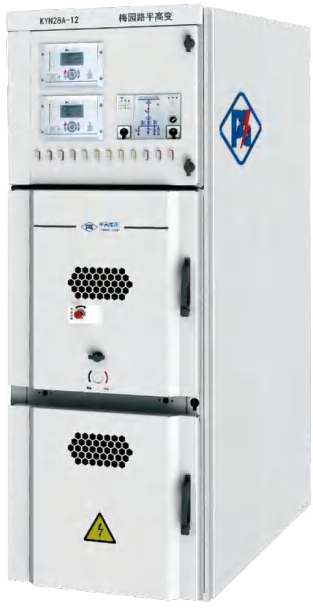

KYN28A-12 Metal Armored Removable Switchgear
Tianjin Ping Gao Intelligent Electric Co., Ltd.
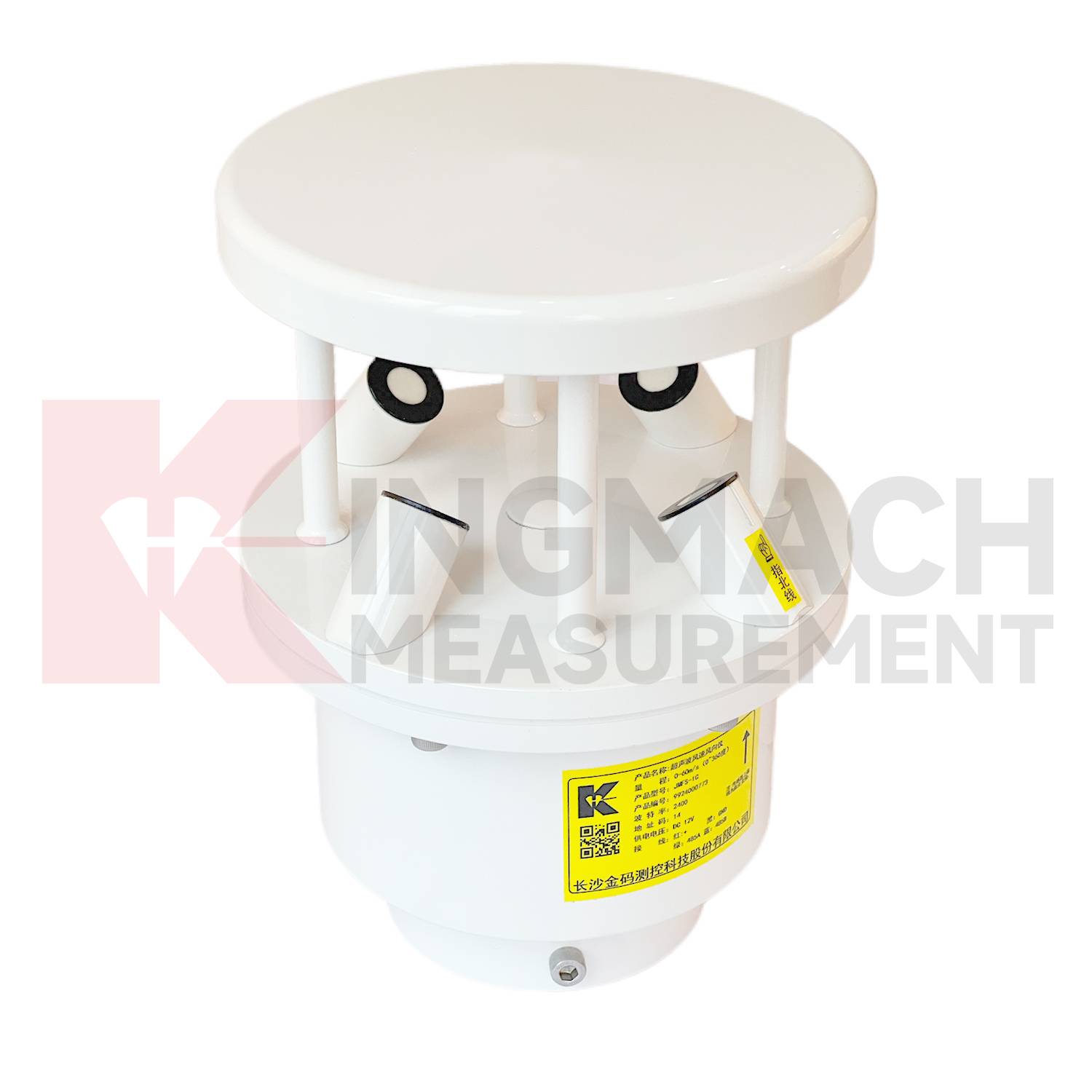
Ultrasonic Wind Speed and Direction Instrument
Kingmach Measurement & Monitoring Technology Co., Ltd.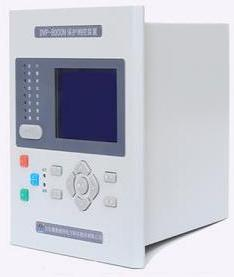
Microcomputer Protection and Substation Automation
Beijing Agent Devote Power Technology Development Co., Ltd.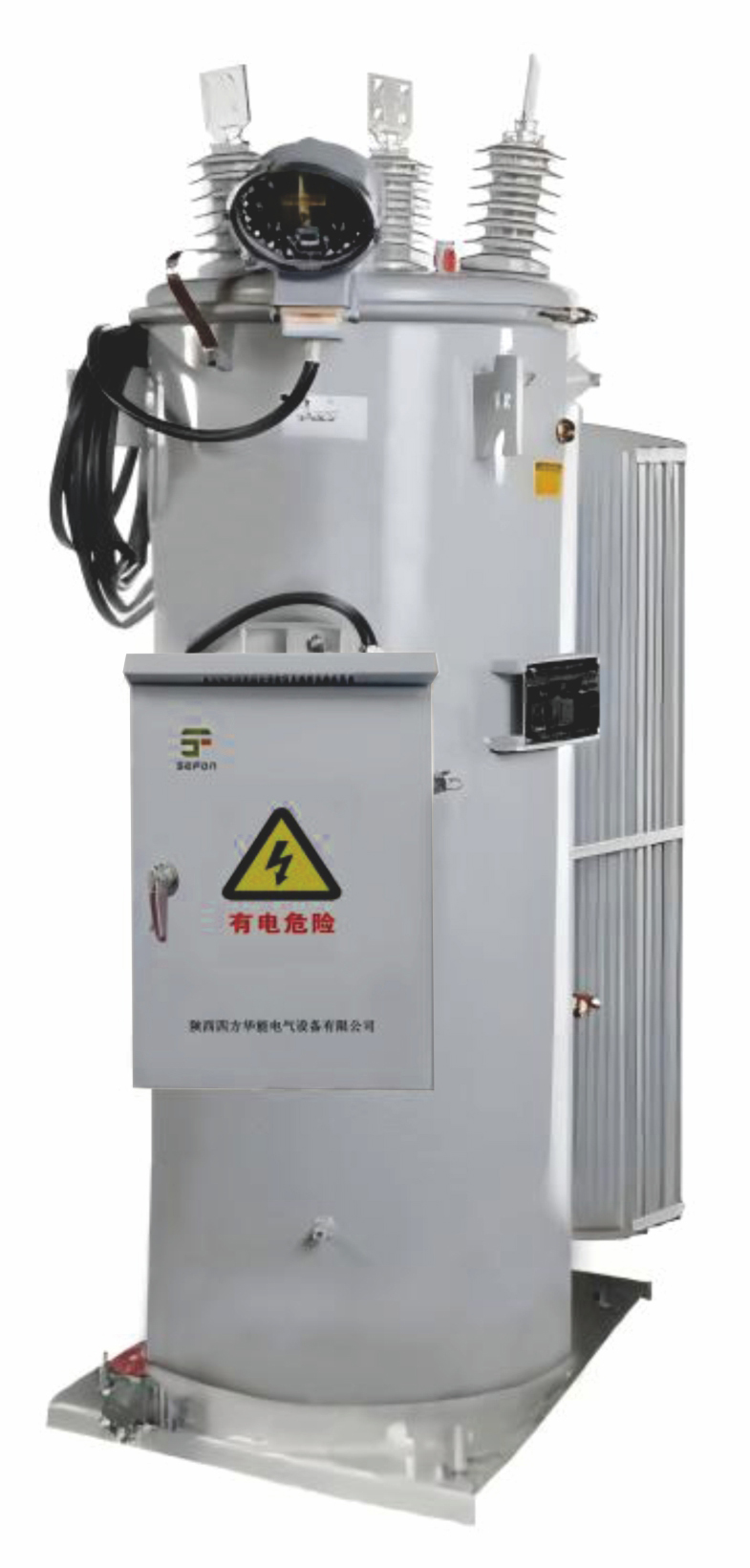
Single-Phase Automatic Voltage Regulator(AVR)
Shaanxi Sefon Electrical Equipment Co.,Ltd.
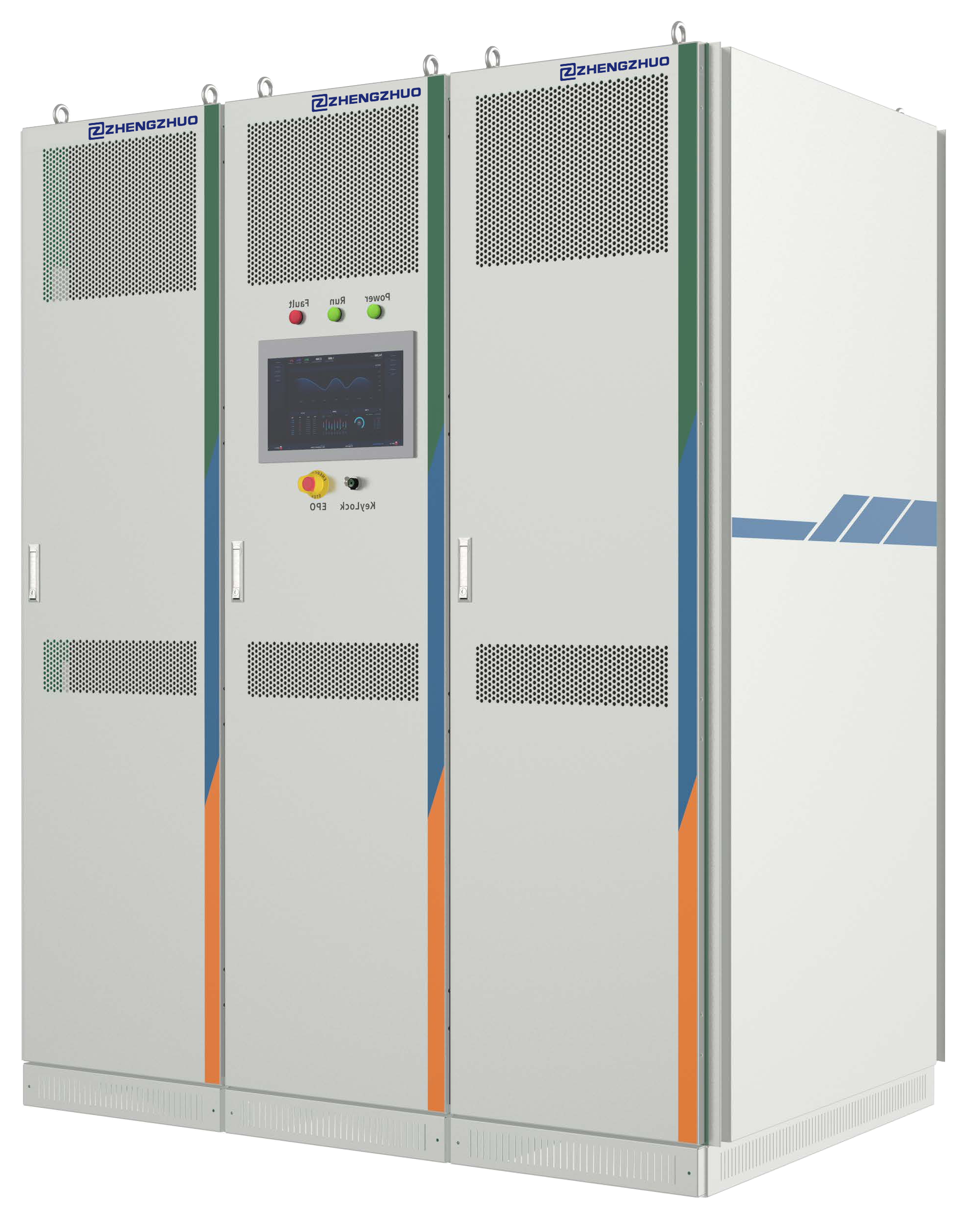
IGBT Hydrogen Production Power Supply - High Power Air Cooling
Beijing Zhengzhuo Engineering Technology Co., Ltd.