US FCC Approves Reflect Orbital's Launch of First Space Mirror Satellite
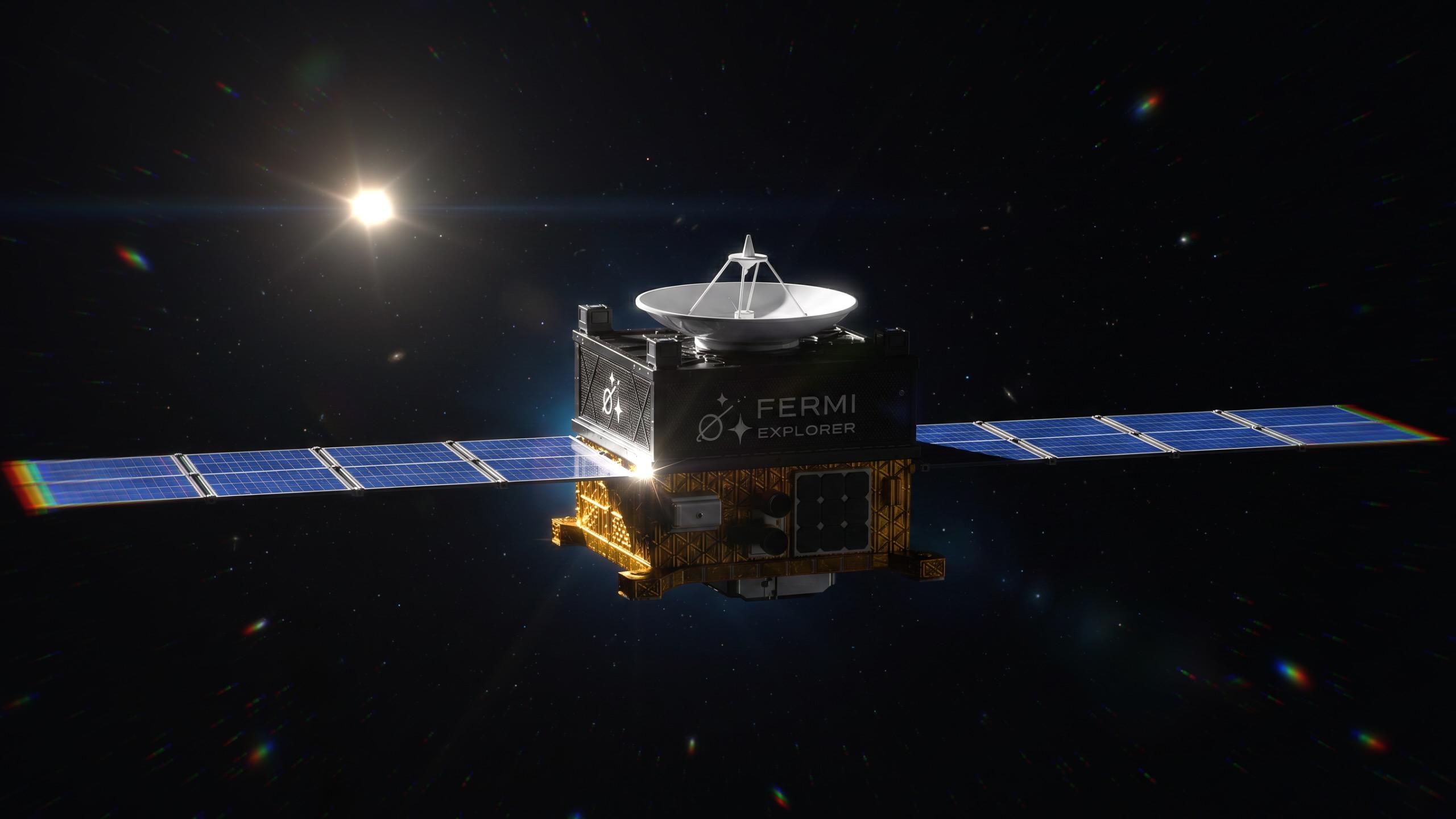
en.Wedoany.com Reported - The U.S. Federal Communications Commission (FCC) recently approved a license for Reflect Orbital to launch its first space mirror demonstration satellite. The California-based startup plans to deploy a large number of mirror-equipped spacecraft in low Earth orbit to reflect sunlight to designated areas on the ground.
The demonstration satellite, named Eärendil-1, is expected to launch later this year, deploying a reflective surface approximately 18 meters on each side. Reflect Orbital aims to operate 50,000 or more such mirror spacecraft in low Earth orbit by 2035.
In an email statement on July 10, the company's co-founder and CEO, Ben Nowack, said the license marks the first step toward rigorously testing the technology's effectiveness and safety measures. He described the technology as "a transformative clean technology the world urgently needs."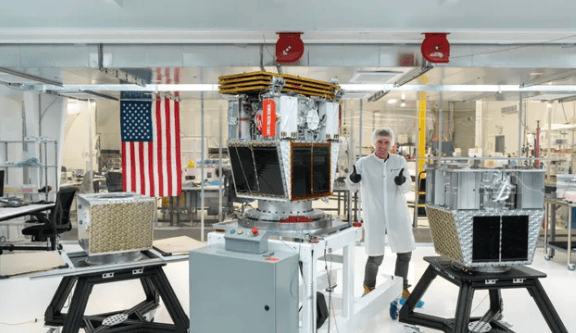
According to Reflect Orbital, the technology can serve a variety of fields. Application scenarios described on the company's website include: search and rescue teams quickly locating missing persons, cities achieving uniform, carbon-free street lighting, and construction projects shortening timelines through safe nighttime operations. Additionally, the planned mirror constellation is expected to enhance the power generation efficiency of ground-based solar cells, enabling them to take on more of the power load from fossil fuels.
Meanwhile, the plan has also sparked controversy. Satellite mega-constellations are themselves contentious, with some concerned about altering the appearance of the night sky and others worried about potential atmospheric heavy metal pollution from the deorbiting of numerous satellites. Specific concerns regarding Reflect Orbital's proposal focus on the introduction of a new type of light pollution. Astronomer John Barentine, from the Silverado Hills Observatory and Dark Sky Consulting in Tucson, Arizona, noted that the light beams reflected by these satellites are four times brighter than a full moon. When multiple satellites fly in formation, they could impact wildlife in directly illuminated areas and surrounding regions.
Reflect Orbital emphasizes that safety will be designed into the system from three aspects: confining light within the beam spot, enabling rapid shutdown of the beam so it does not reach Earth, and deliberately avoiding sensitive areas such as observatories or protected habitats. The company's website adds that, even when viewed through a telescope, the beam is insufficient to cause fires or eye injury and cannot be concentrated to levels exceeding natural maximum solar irradiance.
Related Products


Industrial and Commercial Point-Type Gas Detector
Jinan Benan Technology Development Co., Ltd.


XC-6000e Type Aviation Catering Truck (Fuel Type)
Shenzhen CIMC-TianDa Airport Support Ltd.



Wheel and Track Technology Business
Beijing Research & Design Institute of Rubber Industry Co., Ltd.