India's ACME and IHI Secure 228,000 Tonnes/Year Green Ammonia Contract for Difference from 2030
en.Wedoany.com Reported - India's ACME Group and Japan's IHI have had their joint green ammonia project in Gopalpur, Odisha, selected for Japan's Ministry of Economy, Trade and Industry (METI) Clean Hydrogen Contract for Difference (CfD) subsidy program.
Under this program, Japan will provide price support for the Gopalpur project's 228,000 tonnes/year clean ammonia supply capacity to bridge the cost gap between green and conventional ammonia. The project will deliver clean ammonia to Japanese offtakers over 25 years starting from September 2030.
Additionally, 177,000 tonnes/year of the Gopalpur project's capacity has been designated for Japan's Long-Term Decarbonization Power Auction (LTDA), further strengthening the joint venture's long-term project security for supplying decarbonized fuel to Japan's power sector.
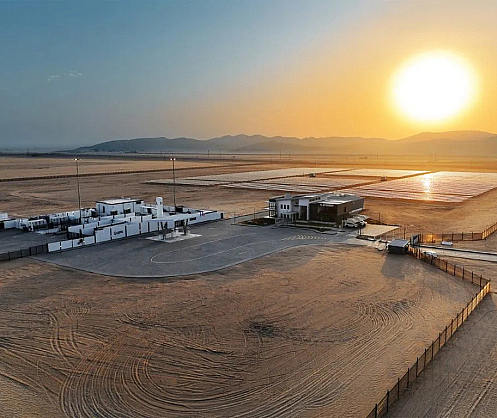
The ACME–IHI green ammonia joint venture, located in the Tata Steel Special Economic Zone industrial park in Gopalpur, Odisha, is planned as a world-class green ammonia export hub fully powered by renewable energy. The project's commercial operation date is expected to be July 2030.
Anil Taparia, CEO of ACME's Green Molecules business, stated that the joint venture's selection for Japan's Clean Hydrogen CfD program and LTDA support for Gopalpur and Paradip capacities is a significant milestone. These approvals provide long-term revenue visibility for ACME's green ammonia portfolio, enhance project bankability, while supporting the goals of India's National Green Hydrogen Mission and Japan's decarbonization framework.
ACME Group has launched another green ammonia project in Paradip, Odisha, with an annual capacity of 800,000 tonnes, scheduled for commissioning in 2029. ACME has also signed a 370,000 tonnes/year Green Ammonia Purchase Agreement (GAPA) with the Solar Energy Corporation of India (SECI), establishing a domestic offtake base. Meanwhile, an additional 83,000 tonnes/year capacity has been awarded for supply to Japan through the LTDA program. This means a significant portion of the Paradip project's output is already backed by long-term contract demand from both Indian and international markets.