Norway's TGS Partners with Allton to Accelerate Deployment of Innovative Ocean Bottom Node Technology
en.Wedoany.com Reported - Norwegian energy data and intelligence company TGS has signed a strategic cooperation agreement with geophysical technology and services company Allton, focusing on accelerating the deployment of innovative deepwater Ocean Bottom Node (OBN) technology. The two parties have agreed on exclusive rights and priority access to Allton's A1 unit, jointly promoting the application and adoption of next-generation OBN acquisition capabilities in a wider range of operational environments.
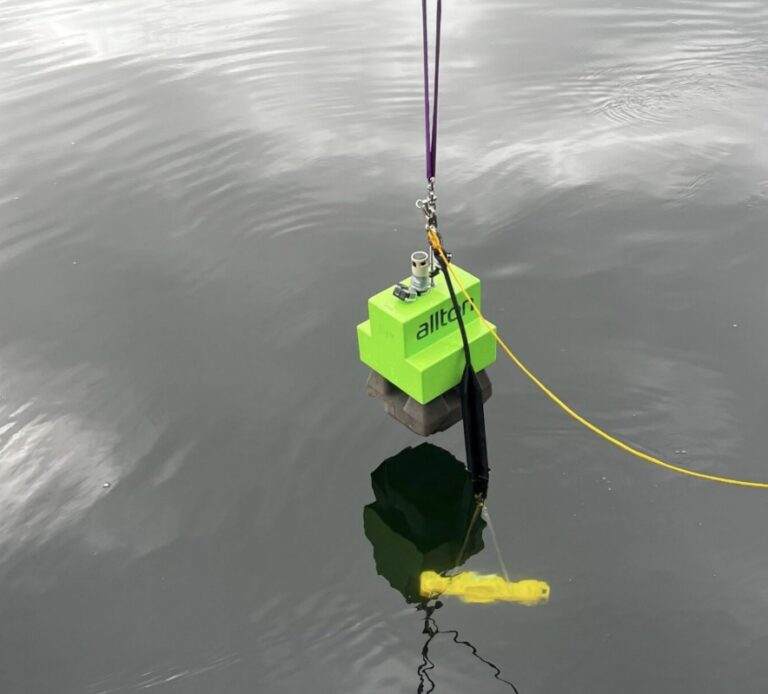
Carel Hooijkaas, Executive Vice President of Marine Data Acquisition at TGS, stated that this cooperation aligns with TGS's strategy to deliver high-quality subsurface data through innovative acquisition technologies. By combining TGS's industry-leading geophysical expertise with Allton's innovative deployment technology, the range of projects where OBN can be effectively and economically deployed can be expanded. The two companies believe that the technology, designed to simplify OBN deployment and recovery, can play a significant role in introducing high-resolution seabed seismic imaging earlier in the exploration cycle. This technology has the potential to unlock exploration opportunities in emerging and frontier basins where traditional solutions struggle to meet economic thresholds, due to reduced costs and logistical barriers associated with OBN surveys. The Norwegian partnership plans to evaluate opportunities across multiple basins globally.
Nils Haugestad, CEO of Allton, stated that the industry is still seeking better ways to acquire the highest quality seismic data while improving efficiency and reducing costs. The Allton A1 system provides the industry with an economical way to collect OBN data in areas where costs were previously prohibitive. Collaborating with TGS helps accelerate its broader technological application and commercialization.
On June 30, TGS announced a partnership with the Petroleum Directorate of Sierra Leone (PDSL) to launch the Sierra Leone 2D and Mabesi 3D Vision reprocessing projects offshore Sierra Leone. These projects will support screening, early assessment, and target prioritization across the entire Sierra Leone Basin, helping operators evaluate hydrocarbon prospects and advance exploration opportunities from shelf to deepwater areas. The project includes comprehensive reprocessing of field data from 24,000 kilometers of 2D seismic data from multiple input surveys, as well as reprocessing of 4,155 square kilometers of Mabesi 3D seismic data through an integrated pre-stack depth migration sequence. Interim early products from both projects are expected to be available this year. Final products for Mabesi 3D Vision are expected in the first quarter of 2027, and for Sierra Leone 2D Vision in the third quarter of 2027. Foday B. L. Mansaray, Director General of the Petroleum Directorate of Sierra Leone, stated that these projects represent another important milestone in Sierra Leone's strategy to continuously improve the quality of geological and geophysical information provided to investors. By combining advanced imaging technology with existing seismic databases, the technical foundation for future exploration decisions is being significantly improved.
Related Products


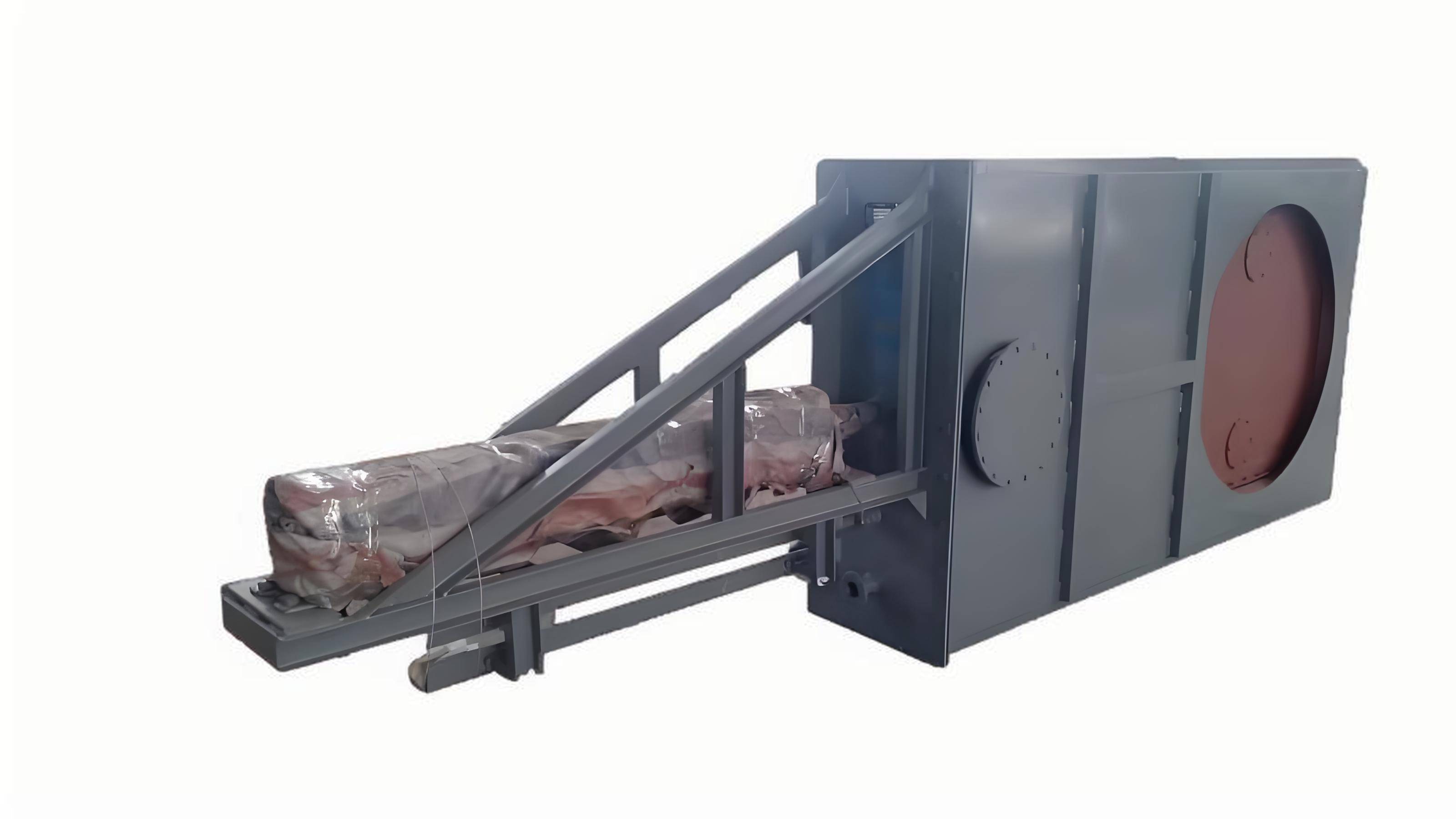
Double-slide Triple-sealed Hot Air Isolation Door
Xi'an Yingchuan Electric Power Equipment Co., Ltd.
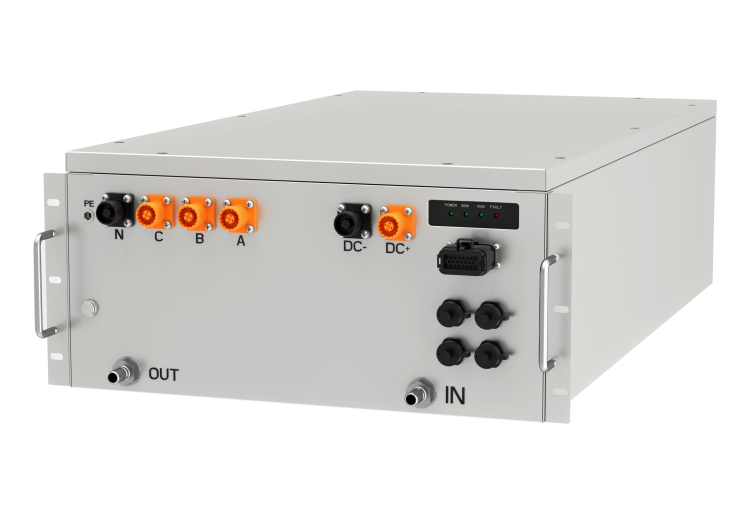
Mars (Liquid Cooling) Series Industrial and Commercial Energy Storage Converter High Protection Module
Shenzhen Winline Technology Co., Ltd.
Yingping Mining Section Open-pit Tailings Backfill Treatment of Goaf Ecological Restoration EPC Project
China Bluestar Lehigh Engineering Corporation

VEG-12/24/40.5 Series Vacuum Circuit Breaker
SHANGHAI PINGGAO TIANLING SWITCHGEAR CO., LTD.


Off-Grid Fuel Cell Supercharging Station (180kW Configuration)
Shanghai REFIRE Group Limited
Prefabricated Houses and Electrical Energy Boxes
Chengdu Ruilong Machinery Manufacturing Co., Ltd.