China Releases Two Smart Home Industry Standards
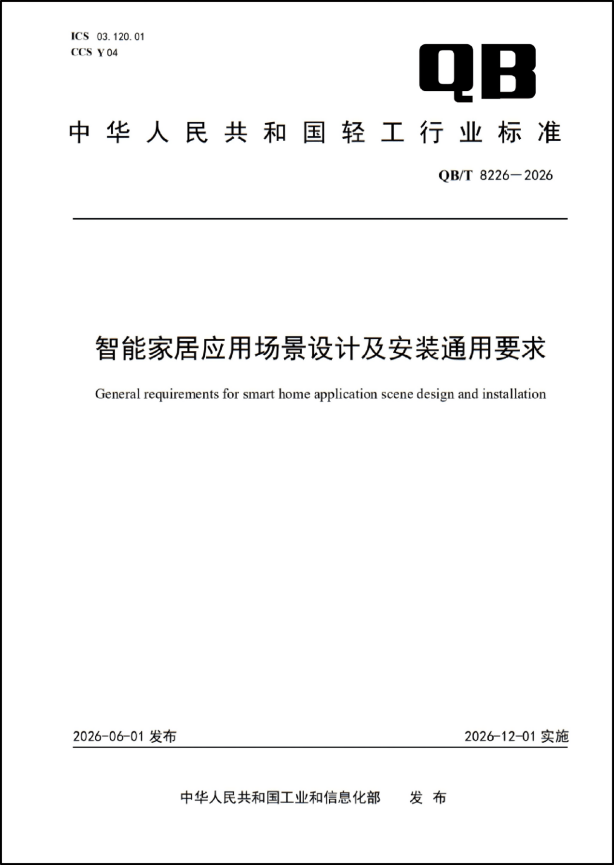
en.Wedoany.com Reported - The Ministry of Industry and Information Technology recently approved and released two light industry standards: "Evaluation of Personalized Customization Capability Maturity for Smart Home Enterprises" (QB/T 8225-2026) and "General Requirements for Smart Home Application Scenario Design and Installation" (QB/T 8226-2026). Proposed and managed by the China National Light Industry Council, these standards were led by the China Light Industry Information Center. The release of these two standards marks a new phase of standardized guidance in smart home management.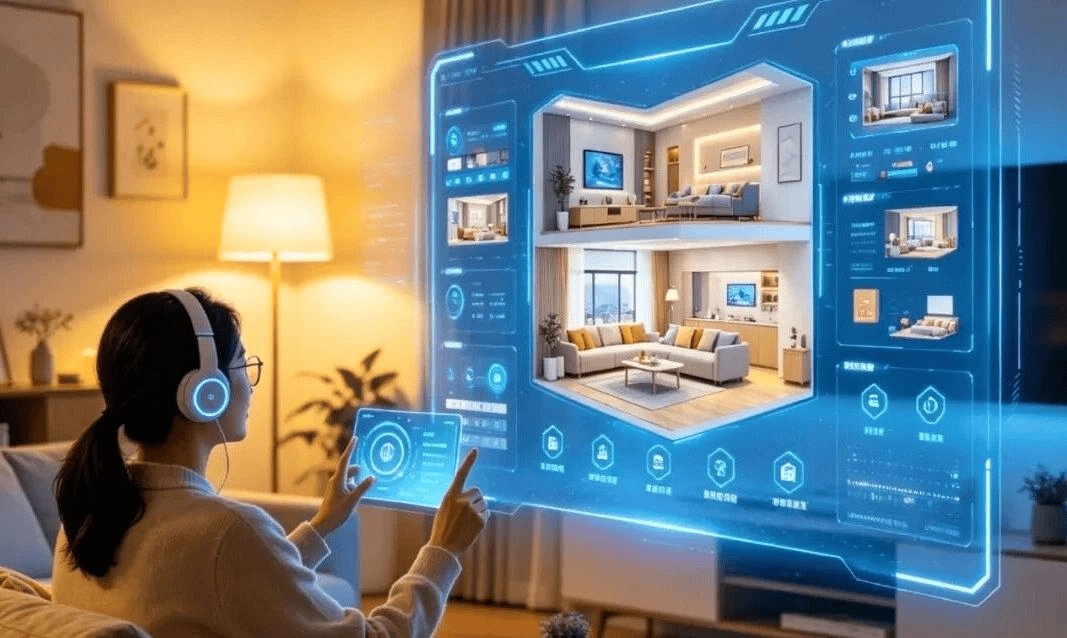
The drafting units cover the entire industry chain of production, academia, research, and application, incorporating leading enterprises from whole-house customization, smart hardware, smart software, and upstream and downstream home manufacturing sectors such as home appliances, furniture, hardware, lighting, bathroom products, and consumer electronics. Multi-party collaboration ensures the scientific, advanced, and adaptable nature of the standards. These two standards respectively fill the gaps in the fields of smart home customization and application scenario design.
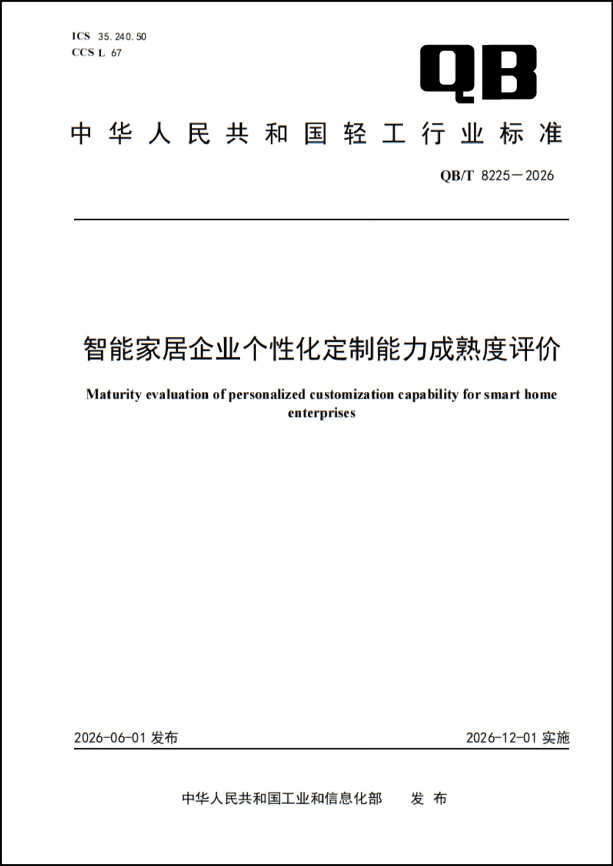
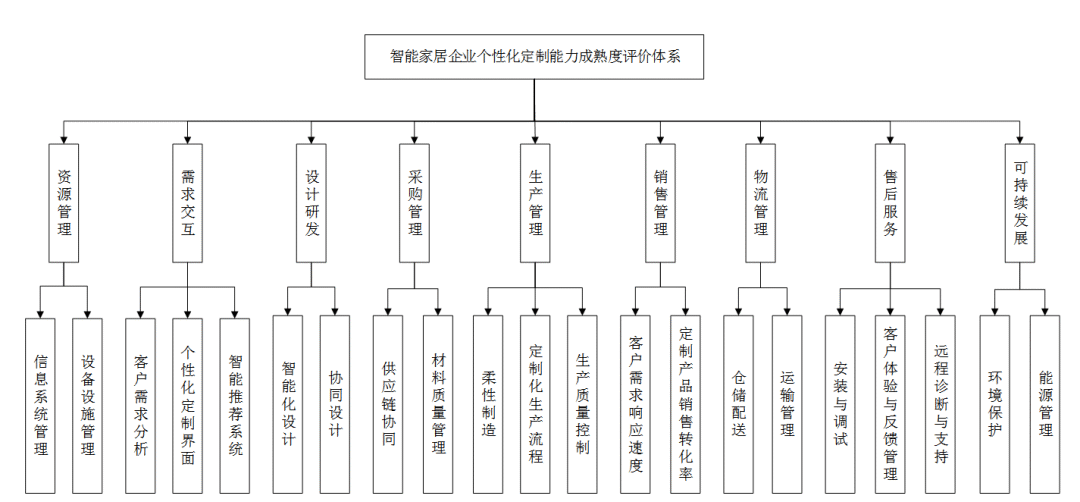
The standard "Evaluation of Personalized Customization Capability Maturity for Smart Home Enterprises" (QB/T 8225-2026) addresses industry pain points by establishing, for the first time, a quantitative evaluation system for the personalized customization capabilities of smart home enterprises. This system sets up nine primary evaluation dimensions: resource management, demand interaction, design and development, procurement management, production management, sales management, logistics management, after-sales service, and sustainable development. It further breaks down into 21 secondary quantitative indicators, covering key links across the entire industry chain, from customer demand analysis and intelligent design, supply chain collaboration to customized production processes, customer demand response speed, transportation management, and customer experience and feedback management. The standard classifies enterprise customization capabilities into four maturity levels from low to high: Basic, Advanced, Excellent, and Leading, and specifies hard judgment criteria for each level in terms of product models, production processes, technology applications, customer participation, and delivery cycles.
The implementation of this standard will release value from three dimensions: industry, enterprise, and consumer. It will guide the industry in phasing out outdated production capacity and encourage enterprises to increase investment in new technologies such as artificial intelligence, digital twins, and flexible manufacturing. Enterprises can conduct self-assessments and diagnostics against the standard to develop improvement plans, thereby shortening customization delivery cycles and reducing production costs. The maturity level system makes enterprise service capabilities transparent, enhancing the adaptability of supply and demand.
The standard "General Requirements for Smart Home Application Scenario Design and Installation" (QB/T 8226-2026) focuses on the entire process of scenario-based implementation of smart homes, constructing a systematic, quantifiable, and actionable technical specification system. The standard includes four core chapters: scenario classification, design requirements, installation requirements, and inspection and acceptance. It covers full-process technical details such as property survey, scenario planning, AI-linked design, pipeline layout, equipment installation, security construction, system integration, information security, green energy efficiency, and aging-friendly and accessibility modifications. Supporting appendices specify the equipment configuration list for whole-house scenarios. This standard, for the first time, divides smart home scenarios into two major categories: single-space and cross-space, achieving full coverage of residential spaces.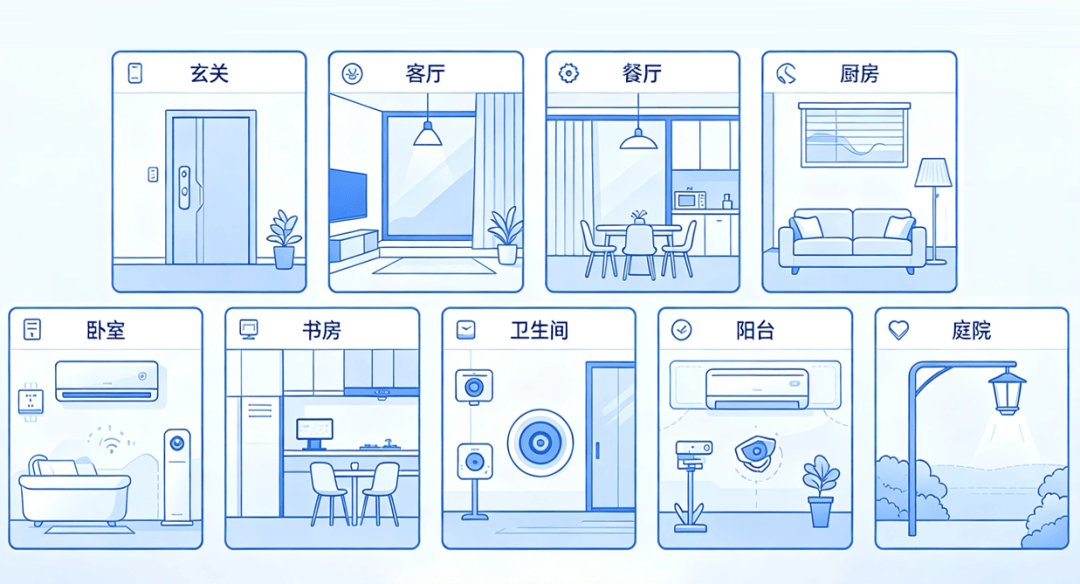
The China National Light Industry Council stated that, under the guidance of the Ministry of Industry and Information Technology, the next steps will involve promoting the implementation and adoption of these two standards. It will continue to focus on new scenarios, new demands, and new pain points in the digital transformation of the home furnishing industry, and will coordinate the development of standard systems in key areas such as smart homes, flexible customization, and smart installation, providing standard technical support for the intelligent upgrade of the home furnishing industry.