Google Signs Power Purchase Agreement for Largest Solar Project in the US, All Initial Output to Be Purchased After 2029 Commissioning
en.Wedoany.com Reported - July 14, 2026, Google has agreed to purchase all initial output from a large-scale solar project in the United States to offset its fossil fuel emissions.
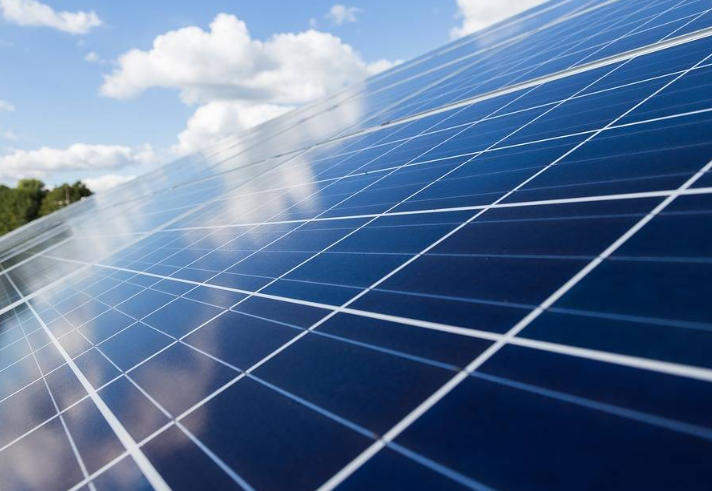
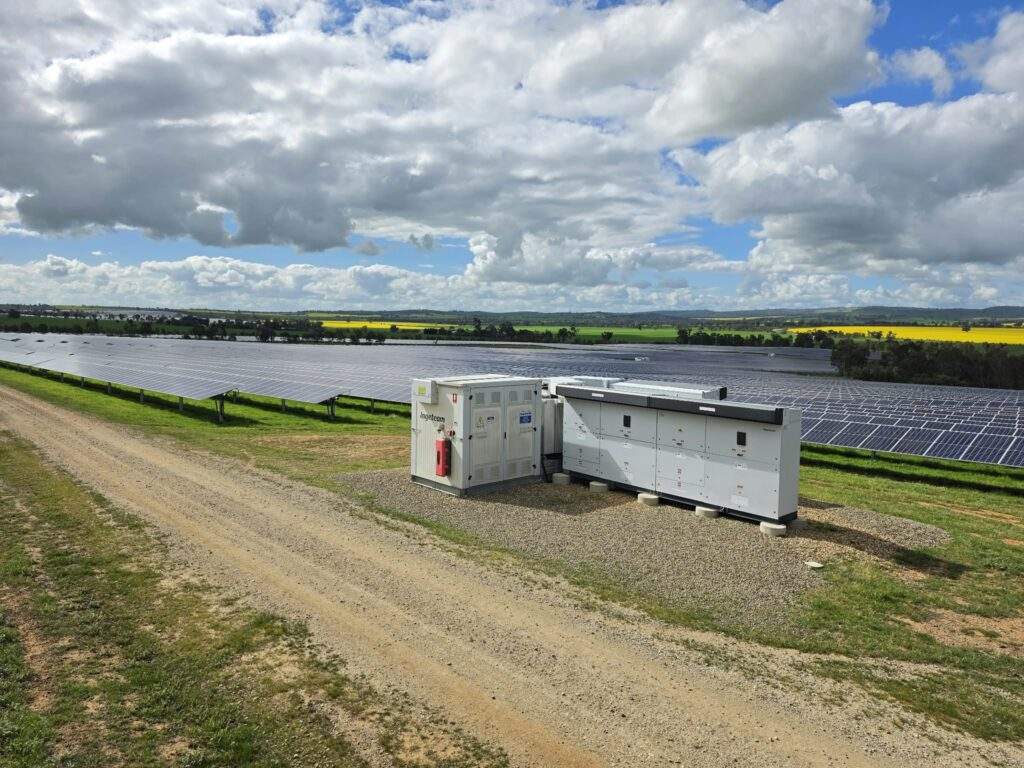
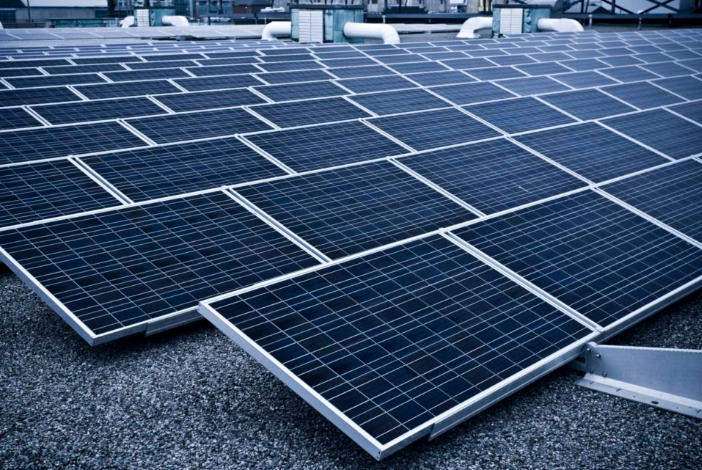
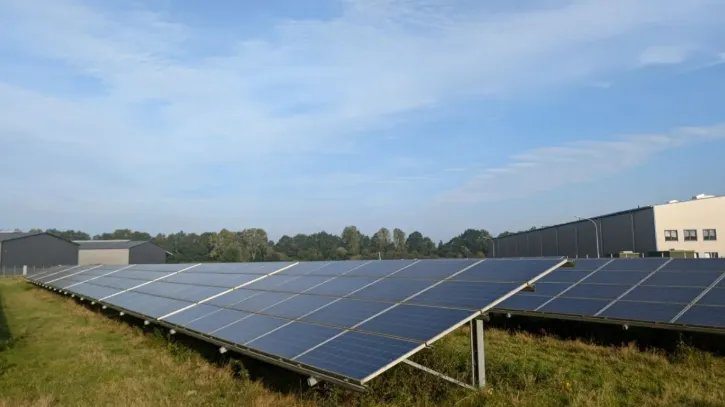
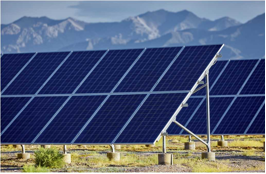
Under the agreement, Google will acquire all initial output from the Steel River Energy Center in Arkansas after it becomes operational in 2029. The first phase of the project will provide 1.6 GW of solar power and 2.0 GWh of battery storage, enough to power over 315,000 households annually. Once fully built, the capacity will increase to 2.5 GW of solar power and 2.9 GWh of battery storage. The deal is structured as a virtual power purchase agreement, where Google pays a fixed price for the electricity generated but does not physically receive the power. Financial details of the agreement were not disclosed.
Since data centers require continuous power supply, Google does not directly use solar or wind energy but connects to a grid that includes natural gas, renewables, coal, and nuclear power. The clean electricity from the project will be allocated to other customers with fluctuating power demands. Will Conkling, Google's Head of Data Center Energy, stated that the investment supports the local grid and benefits all customers in Arkansas.
The strategy of purchasing renewable energy to offset fossil fuel use faces criticism. Opponents argue that companies still rely on grid power and that the clean electricity they fund may be generated elsewhere or at different times. According to the Institute for Energy and Environmental Research, about 56% of electricity used by US data centers comes from fossil fuels. Google's emissions from grid electricity increased by 37% in 2025. Despite this, Google, Meta, Amazon, and Microsoft collectively accounted for 49% of corporate clean energy transactions that year (according to BloombergNEF data).
In its 2026 environmental report, Google acknowledged that its climate goals have become harder to achieve as energy consumption surged (up 37% in 2025, while Microsoft saw a 24% increase). The project developer, Cypress Creek Energy, stated that the agreement is a strong boost for the US solar industry, which faces pressure from the Trump administration to cancel some tax incentives and delay multiple projects. Kevin Smith, the company's CEO, added that large tech companies are increasingly relying on mega-projects to meet their growing power demands.
The Steel River project will heavily utilize local products: First Solar will provide solar panels made entirely from US materials, steel will come from Arkansas, and batteries will be sourced from LG's factory in Phoenix. This move comes as the US government restricts reliance on China's supply chain, while China still dominates about 85% of the global solar supply chain and produced over 80% of the world's batteries in 2025.
Related Products

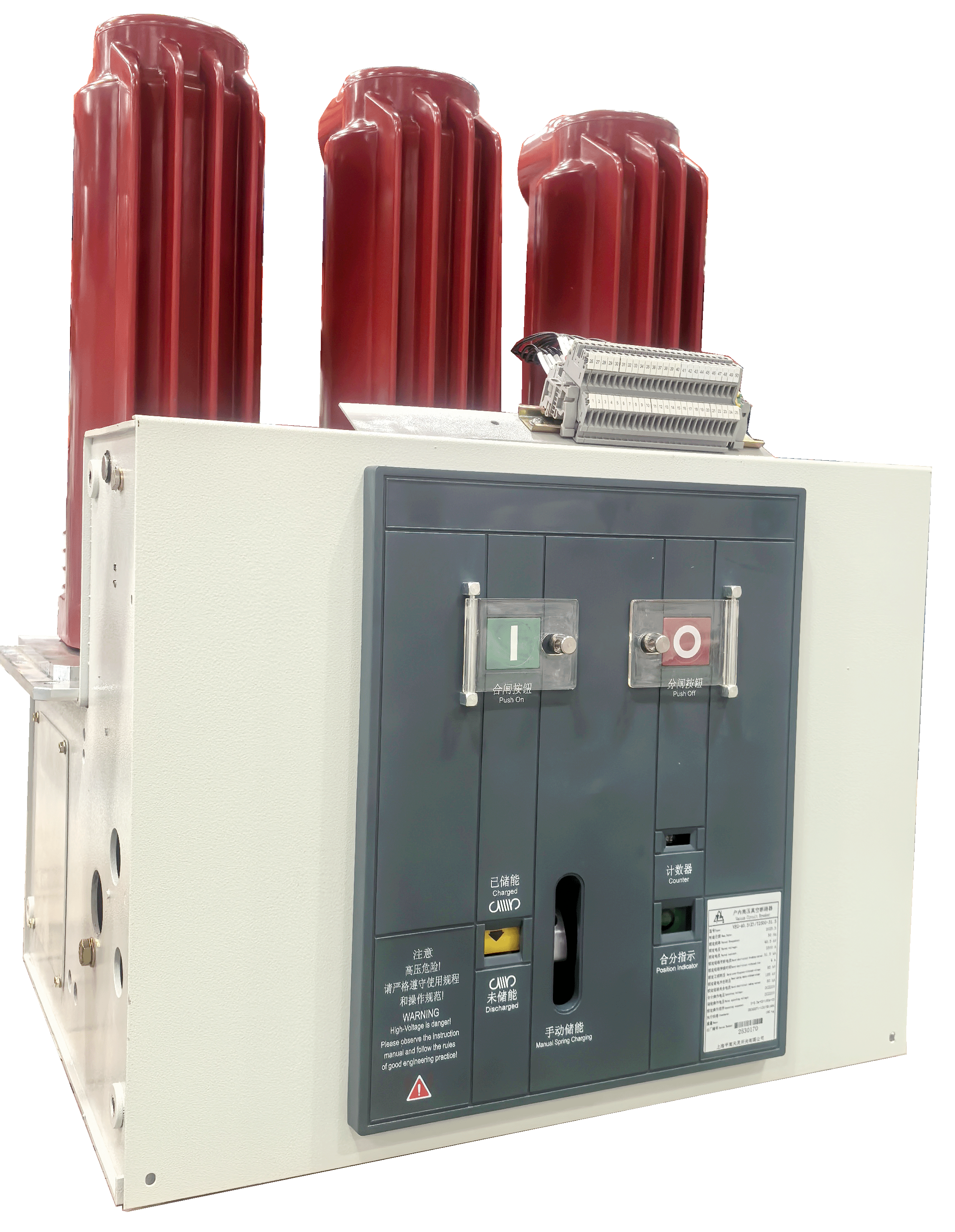
VEG-12/24/40.5 Series Vacuum Circuit Breaker
SHANGHAI PINGGAO TIANLING SWITCHGEAR CO., LTD.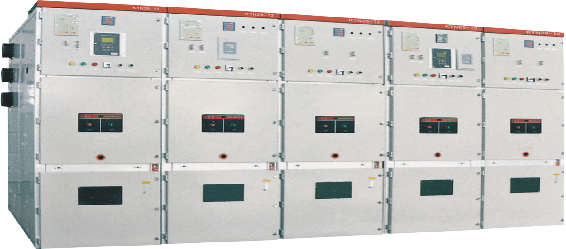
KYN28-12/24 Indoor High-Voltage Metal-Clad Removable Switchgear
Shenzhen Zhaoyang Hui Technology Co., Ltd.
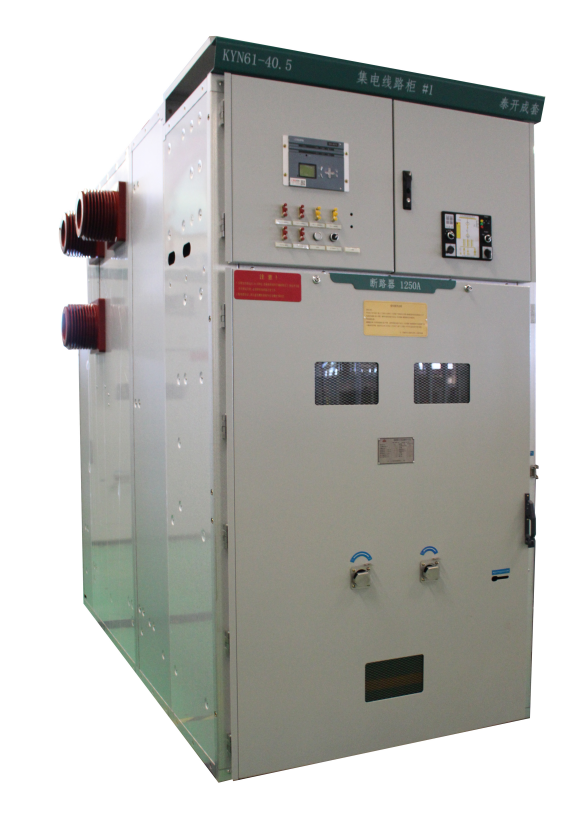
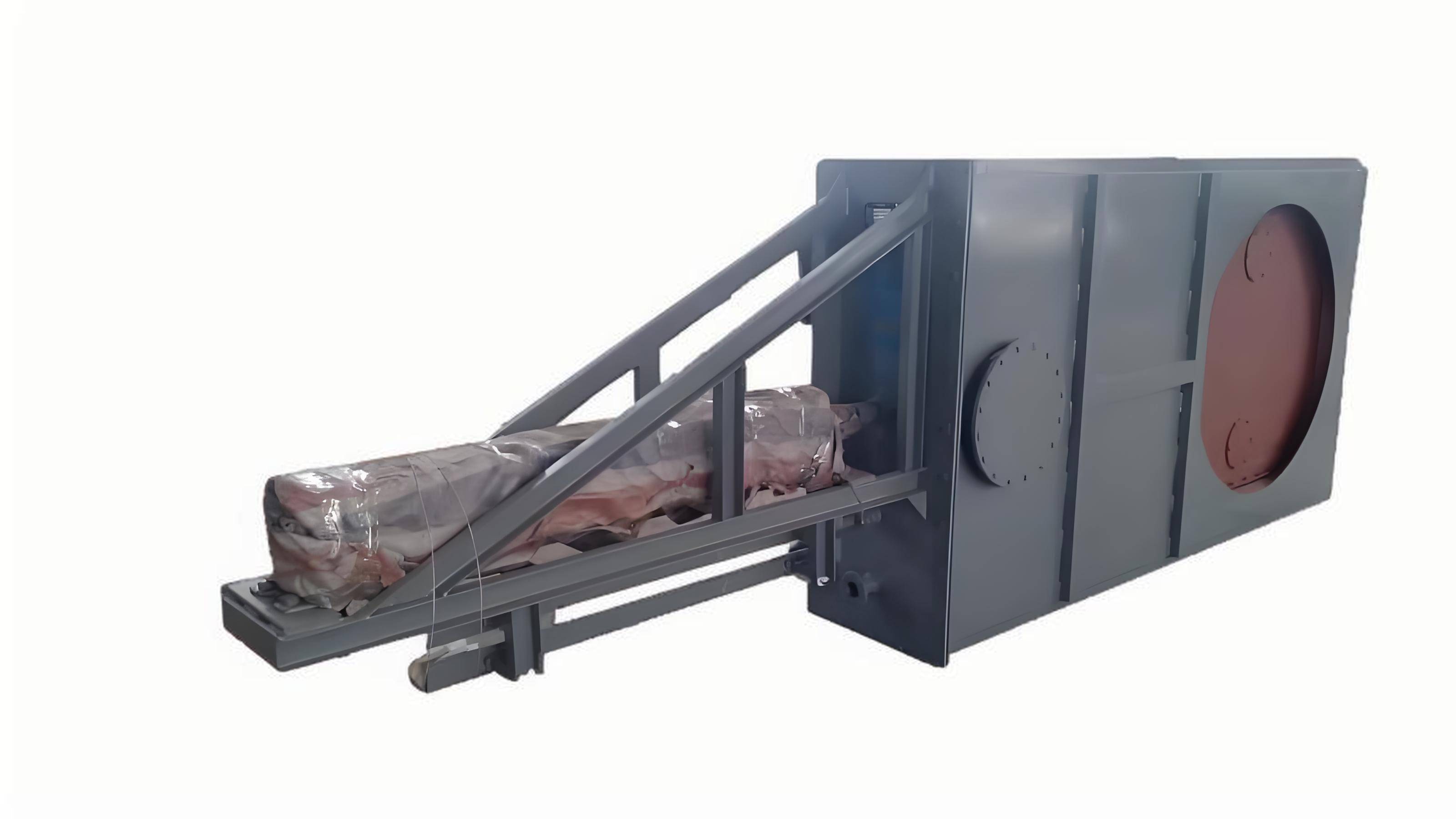
Double-slide Triple-sealed Hot Air Isolation Door
Xi'an Yingchuan Electric Power Equipment Co., Ltd.
Mineral-insulated Compact Busway (Fire-resistant Busduct)
Zhuhai Guangle Electric Busway Co., Ltd.

0.66kV Power Supply Instrument Transformer
Guangdong Sihui Instrument Transformer Works Co., Ltd.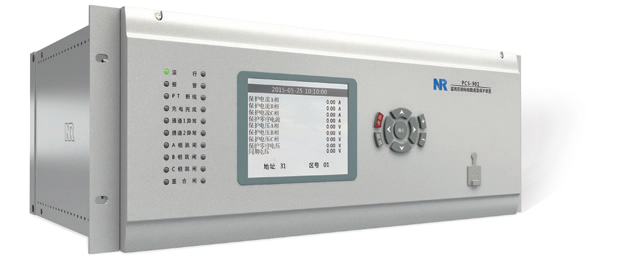
PCS-901 Series Ultra (Extra) High-voltage Transmission Line Complete Protection Device
Nanjing NR Electric Co., Ltd.