Scotland's ReVentas Secures £3.5 Million to Develop Solvent-Based Plastic Recycling Technology
en.Wedoany.com Reported - Scottish startup ReVentas has received a £3.5 million grant from Scottish Enterprise to develop its solvent-based plastic recycling technology over the next three years, focusing on hard-to-recycle plastics such as food packaging films. The grant is part of a £9 million project aimed at helping ReVentas further develop its proprietary recycling technology. With the expansion of film collection and processing requirements across the UK, hard-to-recycle plastics are expected to become an increasingly priority issue for local councils from 2028.
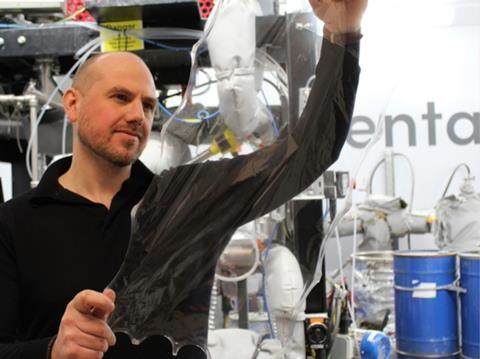
According to Scottish Enterprise, ReVentas's technology uses chemical solvents to dissolve waste plastics, filtering out contaminants including color and odor, to produce natural-like virgin polymers that can be directly used in applications such as packaging, consumer goods, and automotive products. The technology is said to operate under low temperature and low pressure conditions, reducing carbon footprint and process costs. ReVentas is seeking to move closer to commercial deployment through support from Scottish Enterprise, expanding its pilot plant facility in Livingston to handle more complex waste plastic streams. The company recently signed an engineering and licensing alliance agreement with KBR to support the global rollout of the technology.
Nicola Anderson, Director of Scale-Up Innovation at Scottish Enterprise, stated that ReVentas is developing a promising recycling technology with the potential to transform how valuable materials are recovered and reused, supporting Scotland's transition to a more sustainable circular economy. She noted that by turning cutting-edge innovation into commercial opportunities, the company is creating high-quality green jobs, attracting investment, and strengthening Scotland's position as a leader in clean technology. Earlier this year, PureCycle Technologies revealed plans to build a polypropylene dissolution recycling facility at the Port of Antwerp-Bruges, targeting an annual capacity of 59,000 tons. This move follows a €40 million grant agreement with the European Climate, Infrastructure and Environment Executive Agency (CINEA) Innovation Fund, with the project set to contribute to the decarbonization and circularity goals of the European Green Deal, as well as the Circular Economy Action Plan and the Green Industrial Deal. In May, Traceless announced its first industrial production facility for bio-based, home-compostable natural polymer technology, aiming to end dependence on fossil feedstocks and establish a circular bioeconomy in Europe. At the plant in Hamburg, Germany, plant-based residues from the agricultural industry will be processed into materials that can serve as natural plastic alternatives.
Related Products

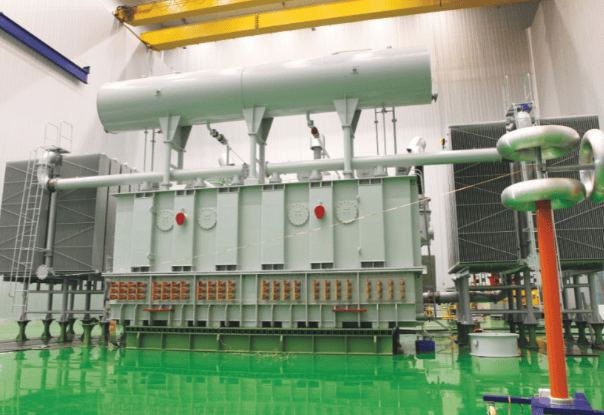

Off-Grid Fuel Cell Supercharging Station (180kW Configuration)
Shanghai REFIRE Group Limited
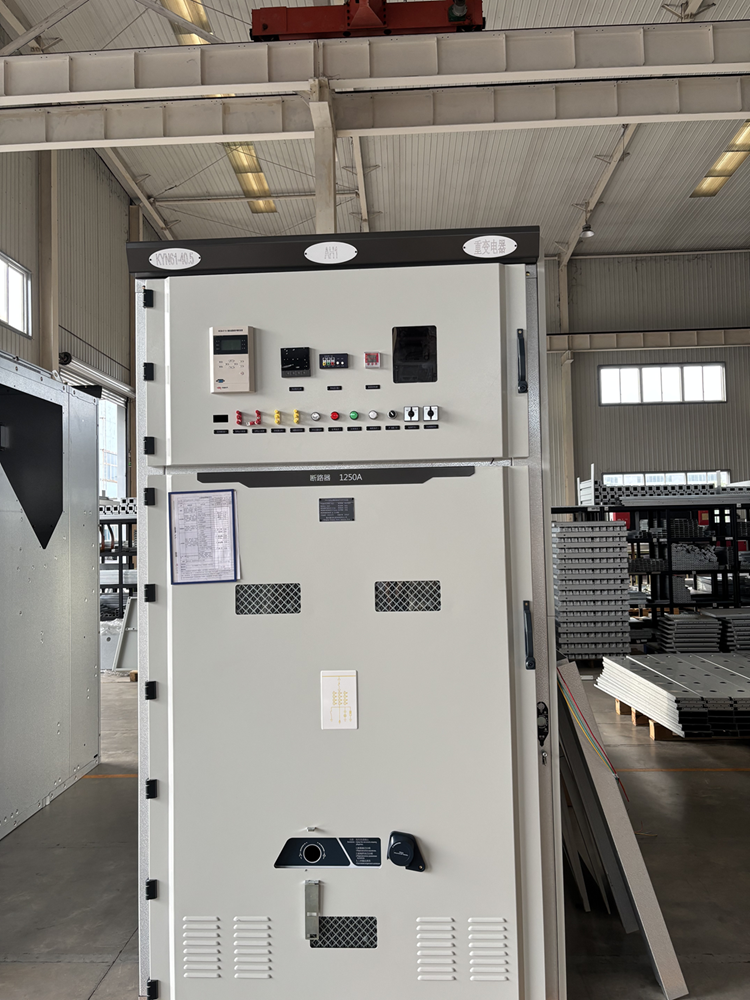
KYN61-40.5 Indoor AC Metal-clad Removable Switchgear
Chongqing Transformer Co., Ltd.
Pneumatic high-pressure wear-resistant ball valve
Zhejiang Deca Control Valve Meter Co., Ltd.

Industrial and Commercial Point-Type Gas Detector
Jinan Benan Technology Development Co., Ltd.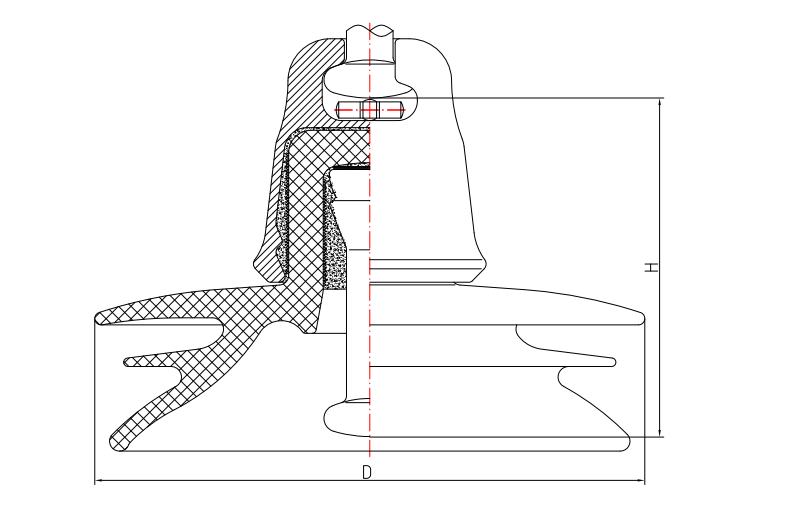
Post-type AC Pollution-resistant Disc Suspension Porcelain Insulator (Triple Umbrella Type)
Shandong High Voltage Insulator Co., Ltd.