Swiss Federal Institute of Technology Lausanne and Massachusetts Institute of Technology Develop Bird-Inspired Robot for Underwater Swimming and Aerial Flight
en.Wedoany.com Reported - Researchers from the Swiss Federal Institute of Technology Lausanne (EPFL) and the Massachusetts Institute of Technology (MIT) have jointly developed a new robot capable of swimming underwater, breaking through the water surface, and transitioning to flight mode. The research team stated that the system mimics the movement patterns of diving birds such as loons, puffins, and petrels. The findings have been published in the academic journal Science.
Weighing less than 300 grams, the robot consists of a fuselage, two flexible flapping wings, and a controllable tail fin. Researchers can analyze the impact of wing and tail fin size, flexibility, and flapping frequency on the transition between swimming and flight by swapping components of different dimensions. The wings are made of a film coated with nanoparticle waterproofing; the fuselage houses a battery and a waterproof electric motor that drives the flapping wings via a crankshaft; the movable tail fin controls the robot's tilt angle during flight and diving.
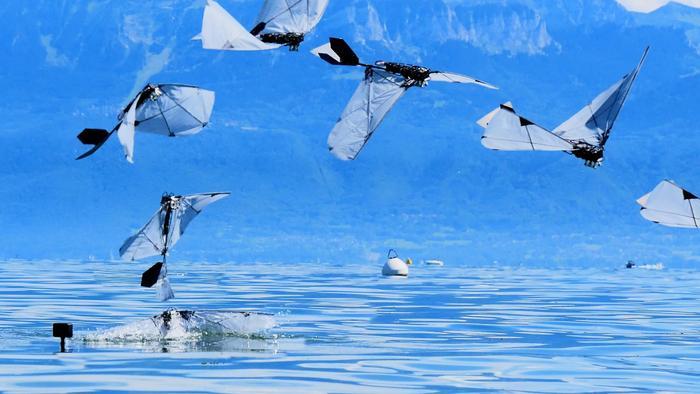
In experiments conducted in a pool and Lake Geneva, the team tested combinations of wing size, flapping frequency, and tail fin angle that enable the transition from swimming to flight. The experiments used wings with a span of 80 centimeters, which are flexible enough to reduce underwater oscillation while being rigid enough to generate sufficient lift in the air. The robot's speed underwater is close to 1 meter per second, and approximately 6 meters per second in the air, with a flapping frequency of about 5 times per second in both states.
To transition to flight, the robot adopts an angle of attack of about 70 degrees, preventing the wingtips from contacting the water surface. Unlike most diving birds, the robot does not need to push off the water with its legs. Researchers stated that this is the first time a robot has directly transitioned from water into the air using only flapping wings.
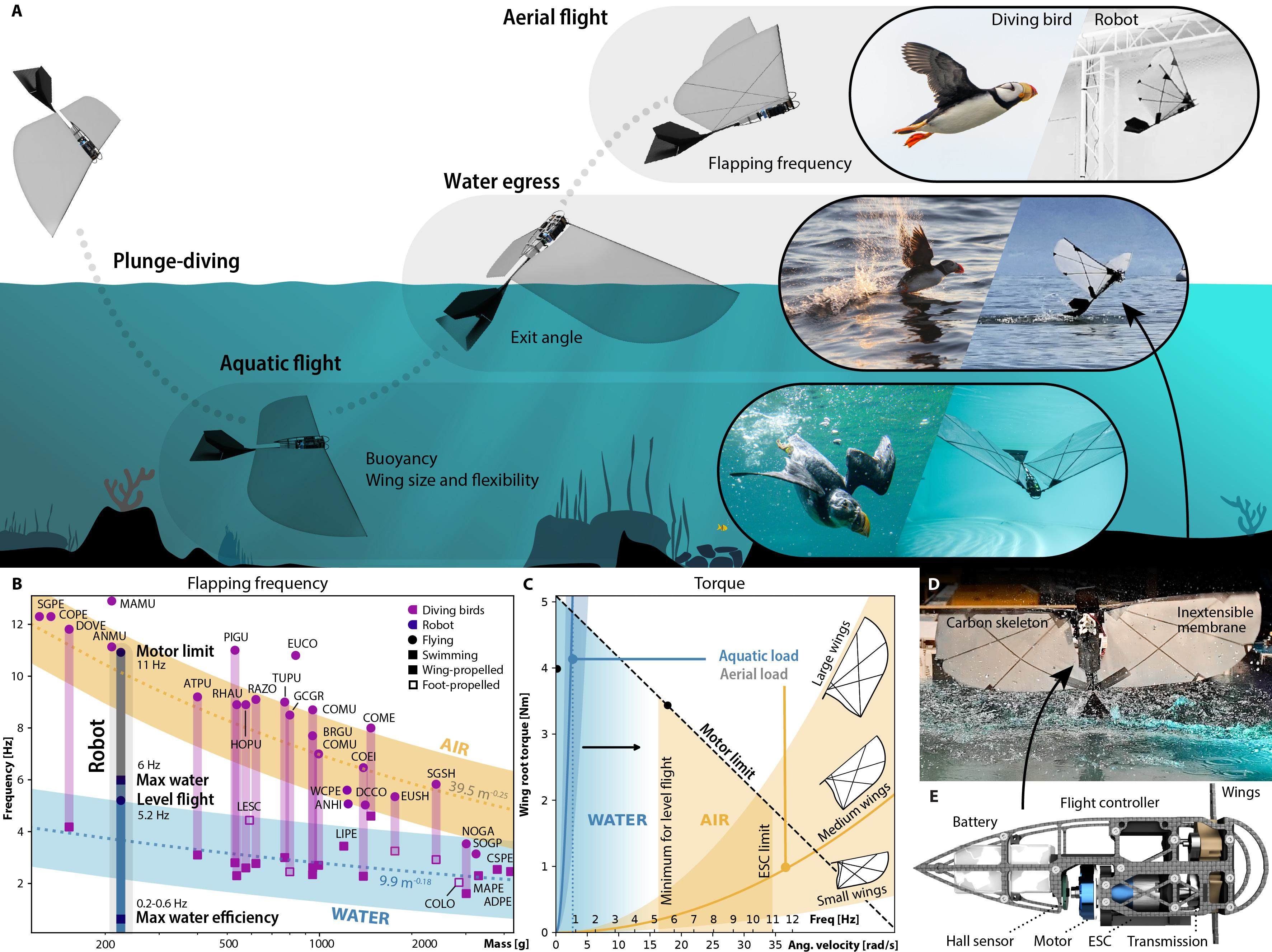
Raphael Zufferey, the first author of the study and a former EPFL researcher, believes the technology could be applied in marine research. In the future, researchers could launch the robot from a boat or shore to collect water samples or record measurements in hard-to-reach locations; the flying vehicle could then bring the data back and be reused. Next, the research team plans to further improve the wings to allow additional twisting and ensure the robot operates reliably in rough seas and strong winds. Beyond potential applications in marine research, the project will also contribute to a deeper understanding of the flight and swimming mechanisms of diving seabirds.
Related Products
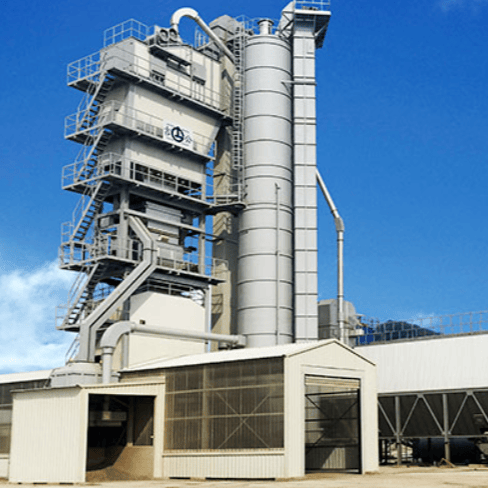

LBH4000 Batch Environmental Protection Asphalt Mixing Plant | Asphalt Batching Plant | Asphalt Mixing Plant
Jilin Province Road Construction Machinery Co., Ltd.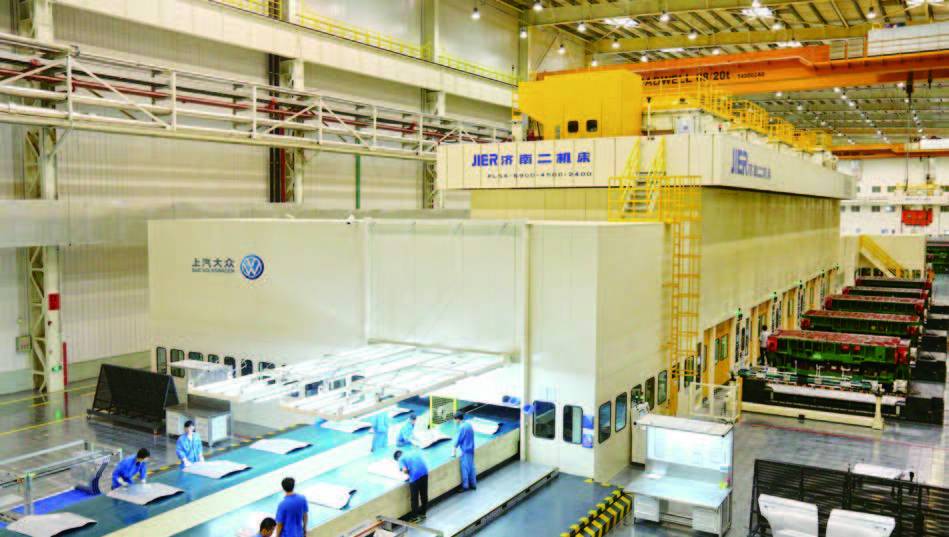
High-Speed Flexible Fully Automatic Stamping Production Line
JIER Machine-Tool Group Co., Ltd.
Standard Nozzle Flowmeter
Jinggong Automatic Control Instrument Complete Technology Development Company
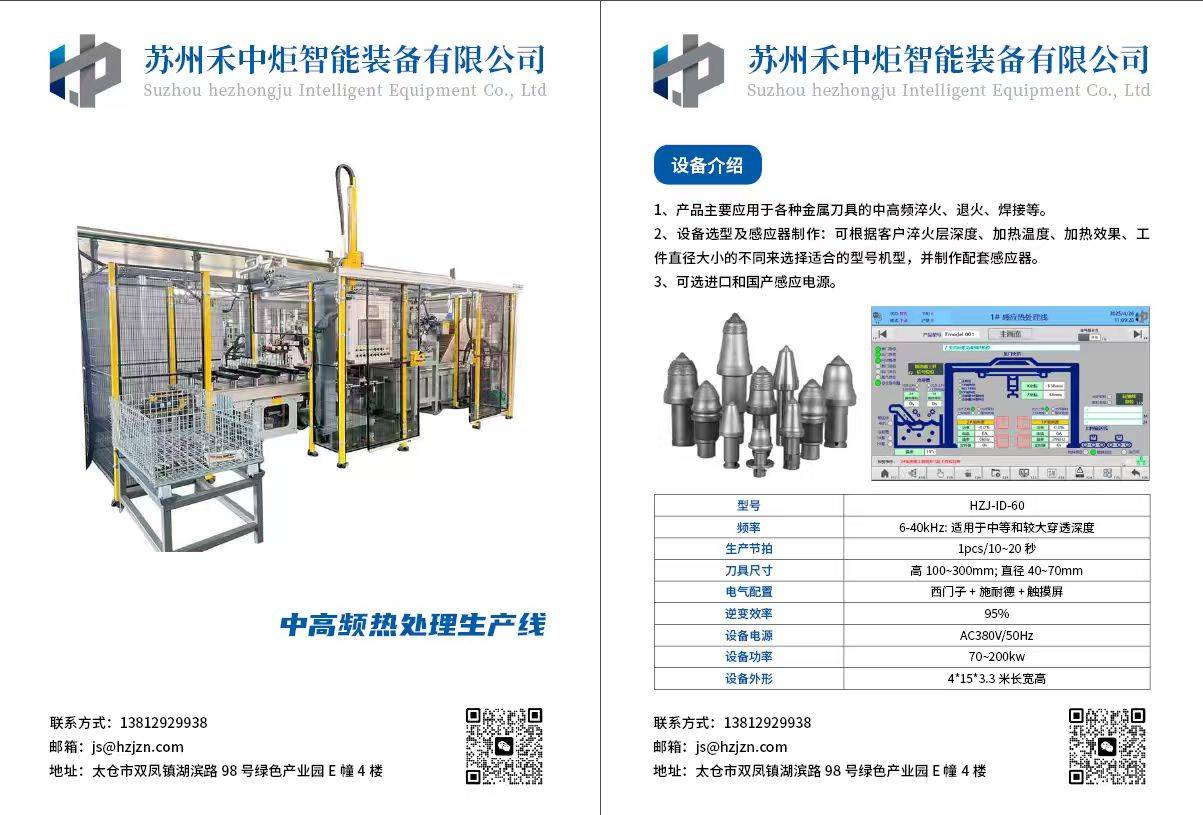
Excavator Bucket Teeth Heat Treatment Production Line
Suzhou Hezhongju Intelligent Equipment Co., Ltd.
Strip Coating and Plating Production Line Equipment
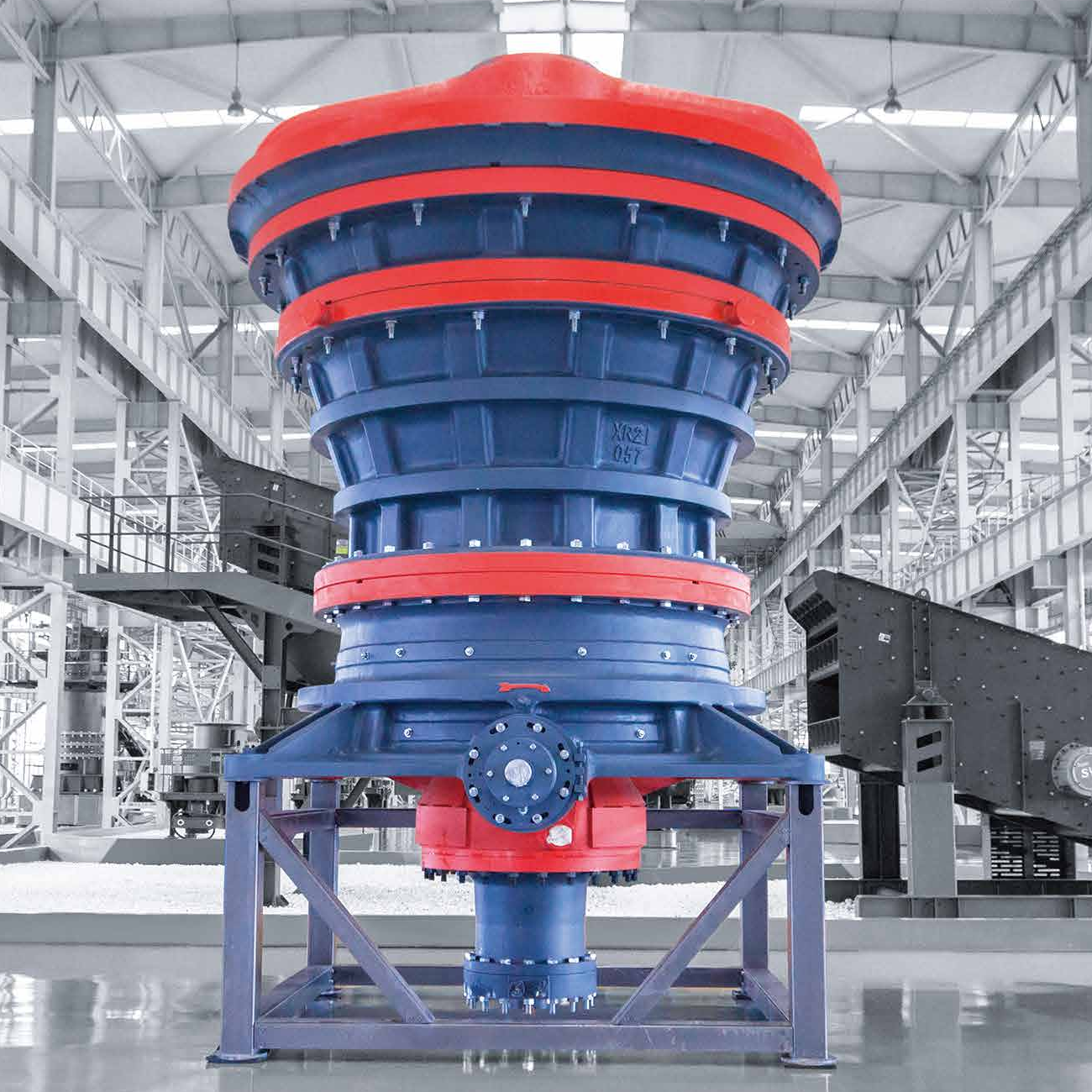
MCC-SFRE HEAVY INDUSTRY EQUIPMENT CO., LTD.
CAP1400 main feedwater flow nozzle flowmeter.
Jiangsu Hongda Instrument Technology Co., LTD.