Japan's Ministry of Internal Affairs and Communications Releases Autonomous Driving Communication Infrastructure Strategy in July 2026
en.Wedoany.com Reported - On July 14, 2026, Japan's Ministry of Internal Affairs and Communications (MIC) released the "Communication Infrastructure Strategy for Supporting an Autonomous Driving Society" to promote the development of the communication environment required for autonomous driving.
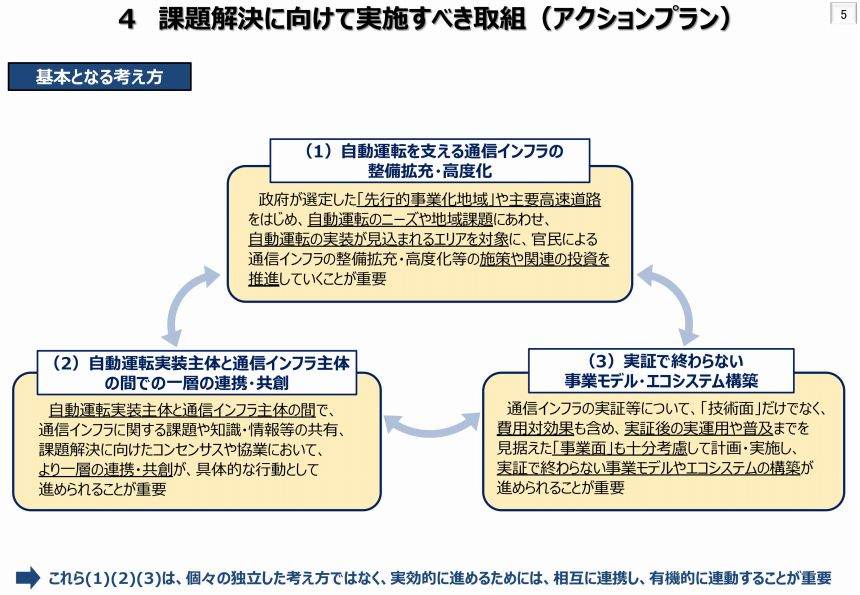
Based on the third-phase report of the expert working group "Study Group on 'Next-Generation ITS Communication' for the Autonomous Driving Era," this strategy clarifies the direction for strengthening communication infrastructure and promoting the implementation of related technologies and services. The strategy proposes measures based on four pillars.
The first pillar is "Development, Expansion, and Advancement of Communication Infrastructure Supporting Autonomous Driving." Starting with the 13 "pioneer commercialization areas" selected by the government and major expressways, in areas expected to realize autonomous driving, relevant operators will promote the 5G SA (Standalone) conversion of mobile base stations and the construction of ITS (Intelligent Transport Systems) infrastructure. The MIC will support development through budget projects and, in cooperation with relevant ministries and organizations, promote the standardization of ITS infrastructure technical specifications and the improvement of related systems.
The second pillar calls for "Further Collaboration and Co-creation between Autonomous Driving Implementation Entities and Communication Infrastructure Entities." Under the framework of the third phase of the study group, a new working group composed of experts and operators will be established to promote information sharing and consensus building on issues related to communication infrastructure.
The third pillar is "Building Business Models and Ecosystems Not Limited to Verification Experiments." Through budget support for regional verification projects, the effectiveness and cost-efficiency of communication utilization will be evaluated, and the results will be promoted for dissemination to other regions. Additionally, regarding the communication performance required for remote monitoring of unmanned autonomous driving, the MIC will develop guidelines in cooperation with relevant ministries.
The fourth pillar involves environmental improvements, including the refinement of radio wave regulations such as frequency migration in the 5.9GHz band, and the advancement of information and communication infrastructure through All-Photonic Networks (APN).
According to the roadmap, starting from fiscal year 2027, autonomous driving services are expected to gradually expand nationwide, beginning with major expressways such as Tokyo to Kansai (Tomei, Shin-Tomei, Meishin, Shin-Meishin) and Tokyo to Tohoku (Tohoku Expressway), as well as the 13 "pioneer commercialization areas" including Yokohama City, Sakai City, and Kobe City.
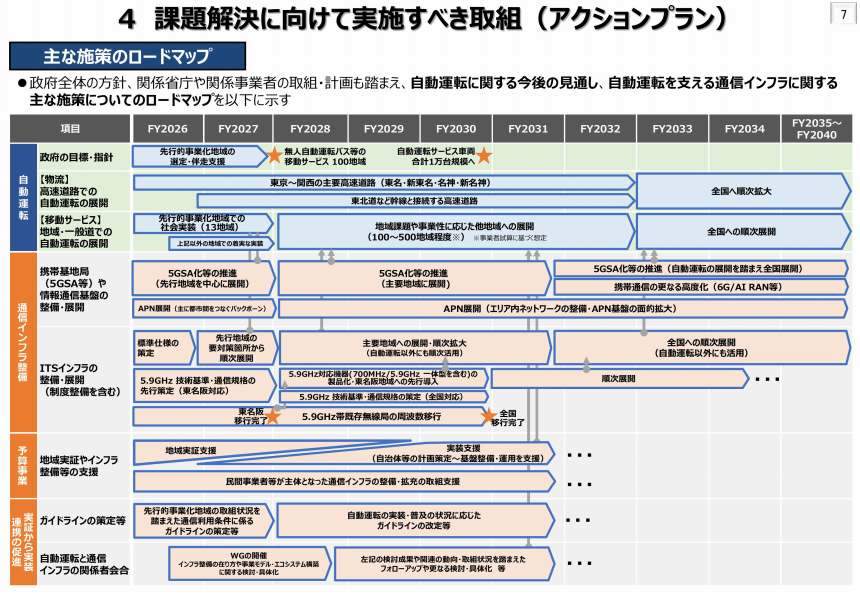
The government has set a target of achieving a scale of 10,000 autonomous driving service vehicles by fiscal year 2030, and the development of communication infrastructure is positioned as the foundation supporting this goal.
Related Products




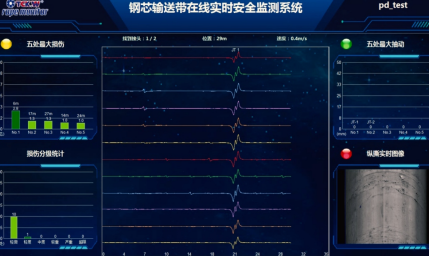
Conveyor Belt Intelligent Monitoring System
LUO YANG WIRE ROPE INSPECTION TECHNOLOGY CO., LTD.
Mine Explosion-proof and Intrinsically Safe Industrial Ethernet Ring Network (10 Gigabit/Gigabit)
Chongqing Mas Sci&Tech Co., Ltd.


Multi-function Marine Monitoring Low-altitude Detection Radar Sea-air Boundary Ocean Dynamic Environment Measurement
Chengdu Dixin Technology Co., Ltd.
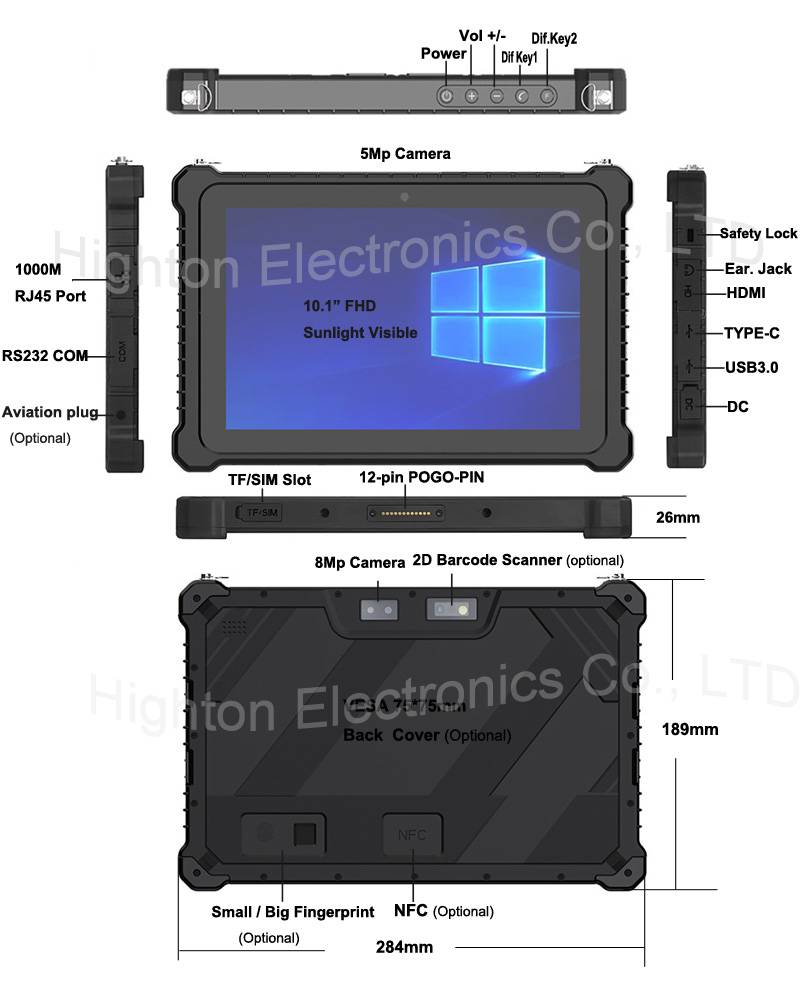
Hot Selling 10 Inch Intel N5100 I5 I7 FHD 8 +128GB 16+256GB Win10 Pro Win11 Pro 4G 5G Rugged Tablet PC Pad with NFC Barcode
Highton Electronics Co., Ltd.