Chile's Acuario Green Ammonia Project Plans $4.7 Billion Investment, 4,100 Tons Daily Output
en.Wedoany.com Reported - On July 15, 2026, IB Decarb Dos Alfa SpA submitted a green ammonia production project named "Acuario" to Chile's Environmental Assessment System, with a planned investment of $4.7 billion. The project is located in the municipality of San Gregorio, in the Magallanes and Chilean Antarctica Region.
The project plans to use renewable energy to electrolyze water for hydrogen production, combined with nitrogen captured from the atmosphere to produce green ammonia. The product will be sold and ultimately exported to international markets. According to the project's Environmental Impact Assessment (EIA) report, the design capacity during the operational phase is 4,100 tons of green ammonia per day. The total project lifespan is estimated at 46 years, covering construction, operation, and closure phases. The project site is located in the Gregorio Bay area, approximately 103 kilometers northeast of Punta Arenas, within Magallanes Province.
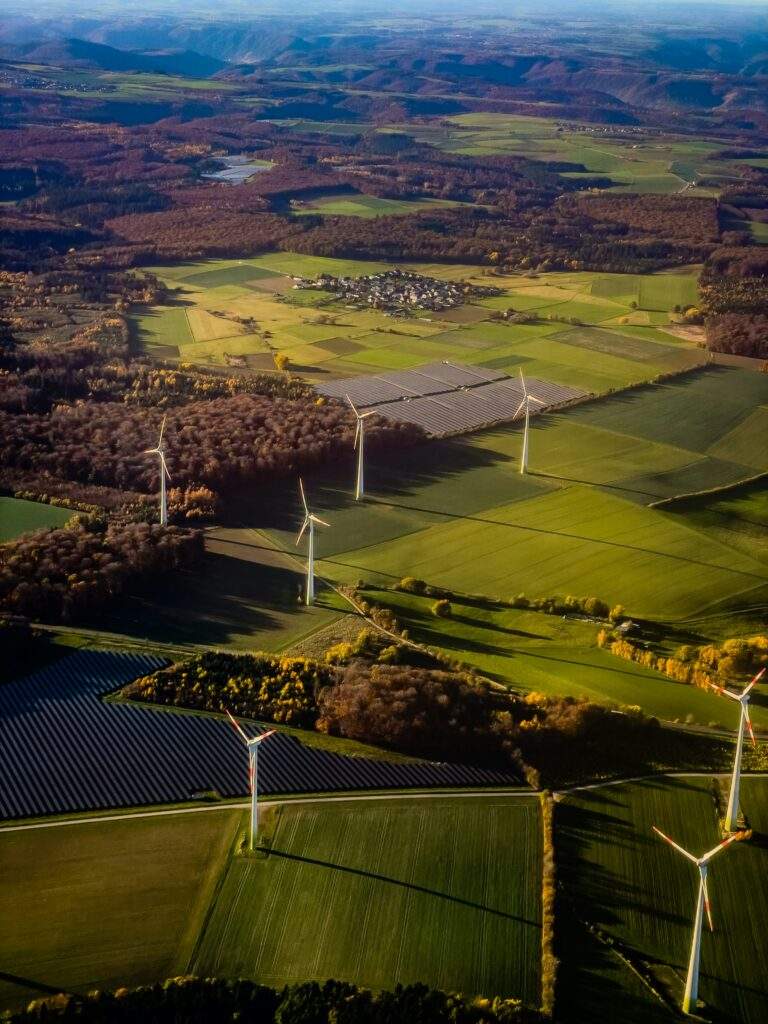
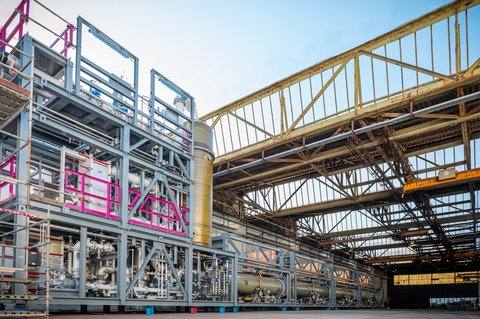
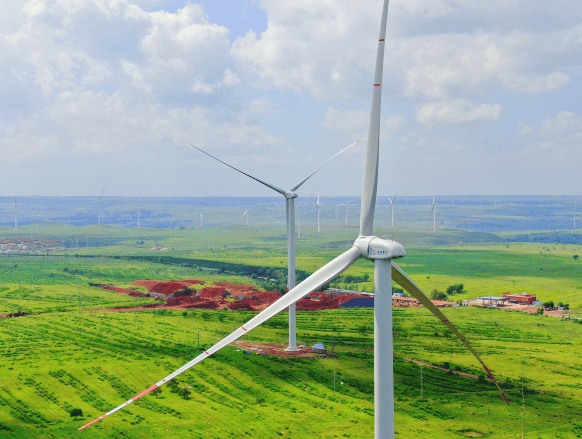
Due to the involvement of corrosive or reactive substances (i.e., ammonia) in the production process, the project was submitted to SEIA in the form of an EIA for evaluation. To supply renewable energy to the plant, the project plans to build a wind farm consisting of 173 turbines, with a total installed capacity of 1.73 GW. The generated electricity will be transmitted via a 220 kV underground transmission line from the collection substation to the main substation at the process plant. Additionally, the project considers configuring a BESS battery energy storage system to address wind power fluctuations and ensure operational stability. Key project components include the process plant, wind farm, substations, pipelines, underground transmission lines, internal roads, camps, hydrogen and ammonia storage systems, a Haber-Bosch ammonia synthesis unit, an air separation unit, and an industrial wastewater treatment system.
The water required for hydrogen production will be supplied by an authorized third party located in the coastal area. Desalinated water will be transported via underground pipelines from the intake point to the plant. The report explicitly states that seawater intake and desalination processes are not included in this project scope. Similarly, ammonia transport from the plant to the coastal area will be carried out via pipelines, while product export will be handled by an authorized third party and is also outside the scope of this evaluation.
The construction phase is expected to last four years. According to the EIA timeline, work is scheduled to begin in the third quarter of 2029 and be completed in the second quarter of 2033. The operational period is estimated at 40 years, starting in the third quarter of 2033 and ending in the second quarter of 2073. Subsequently, the closure phase will continue until the second quarter of 2075. During construction, the project will require an average of 1,595 workers, with a peak of up to 3,000 workers. During operation, an average of 411 workers will be needed, with a maximum of up to 977 workers.
The total project area covers 26,345 hectares, of which 1,542.2 hectares constitute the intervention area, including temporary and permanent works. The document covers relevant impact areas related to flora, fauna, wetlands, water quality, soil, noise, vibration, landscape, archaeological and paleontological heritage, human environment, tourism, and land use. Regarding climate, the owner reports having consulted the Chilean Climate Risk Atlas (ARClim) to identify threats, exposure, sensitivity, and future risks at the project site. According to the document, no high risks related to future climate change impacts were identified in the municipality of San Gregorio.
The project was submitted as an EIA, triggered by Article 11 of Law No. 19,300, including potential significant adverse effects on renewable natural resources, significant alteration of the lifestyle and customs of human groups, proximity to protected resources or areas, and alteration of cultural heritage. Additionally, the document includes records of early public participation, preliminary actions, participatory monitoring, mitigation, remediation, and compensation measures, emergency and contingency plans, environmental monitoring plans, and sectoral environmental permits.
Related Products

Mineral-insulated Compact Busway (Fire-resistant Busduct)
Zhuhai Guangle Electric Busway Co., Ltd.
Quick-Change Single-Seat Control Valve / Quick-Change High-Pressure Single-Seat Control Valve
Beijing Consen Automation Technology Co., Ltd.
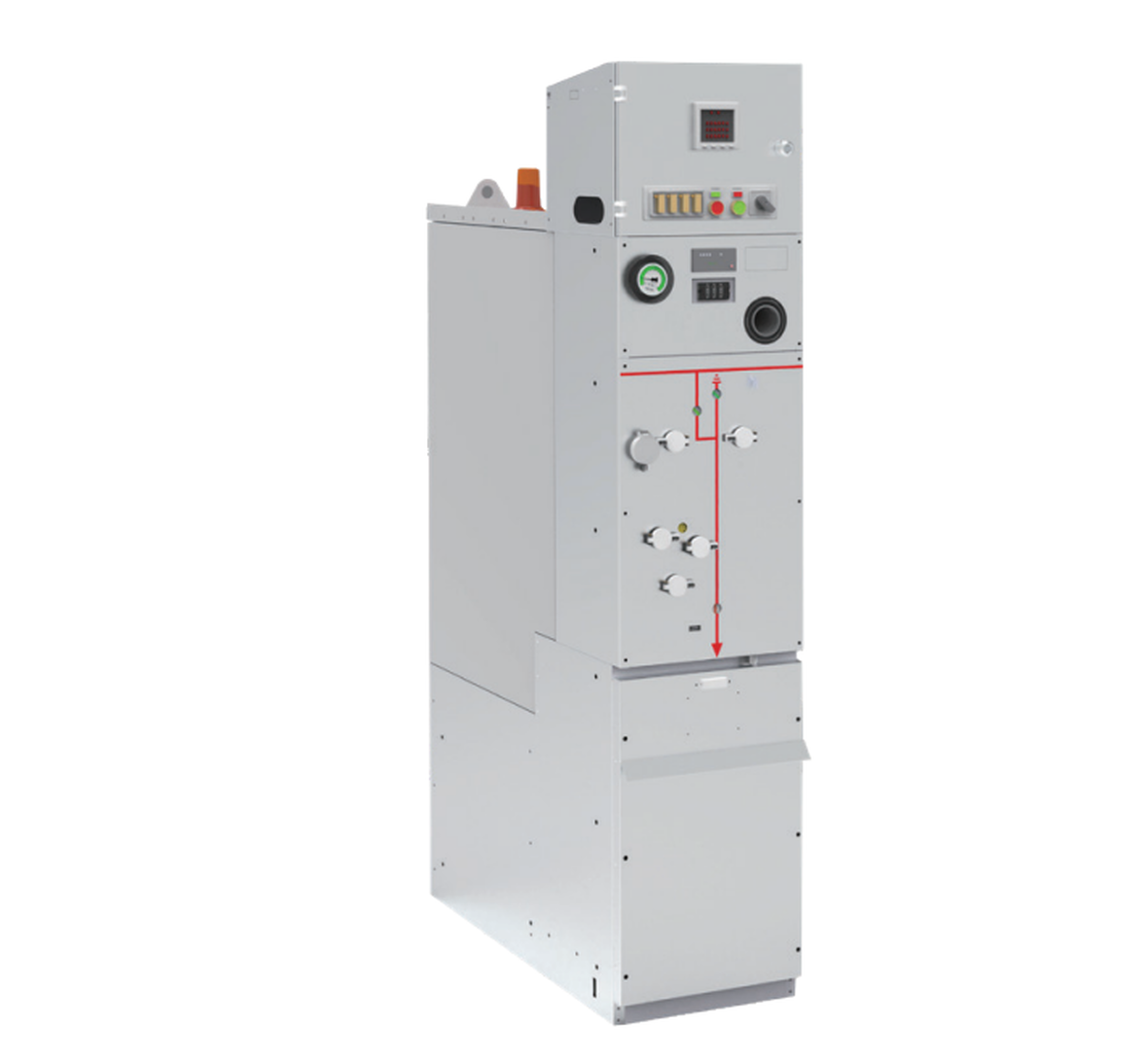
NISELA Series Environmentally Friendly Gas-Insulated Ring Main Unit
XJ DELISHIER ELECTRIC CO., LTD.
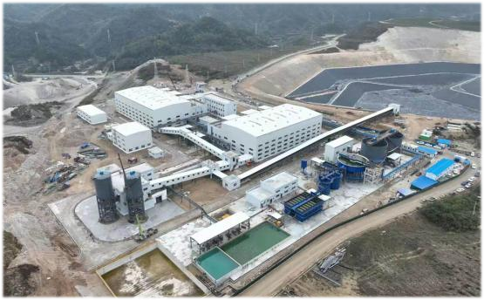
Yingping Mining Section Open-pit Tailings Backfill Treatment of Goaf Ecological Restoration EPC Project
China Bluestar Lehigh Engineering Corporation