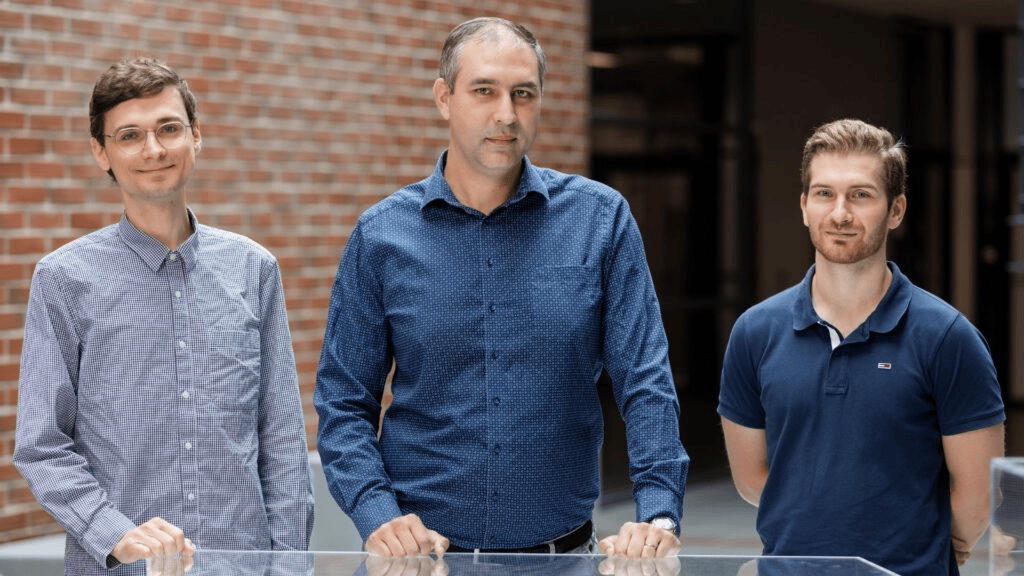
EU Approves €659 Million in German Subsidies for Four Semiconductor Factories
en.Wedoany.com Reported - The European Commission has approved Germany's support totaling €659 million for four semiconductor manufacturing projects, with factories located in North Rhine-Westphalia, Schleswig-Holstein, Hesse, and Bavaria. The four projects cover high-performance wafers, power semiconductors, wafer inspection equipment, and specialized chip production, and will be jointly supported by the German federal budget and the respective state governments.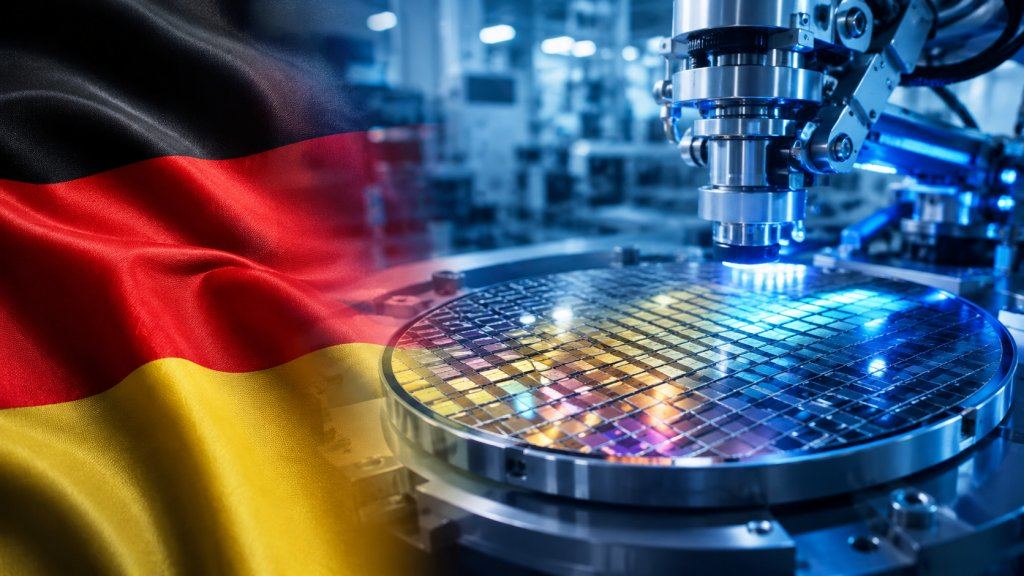
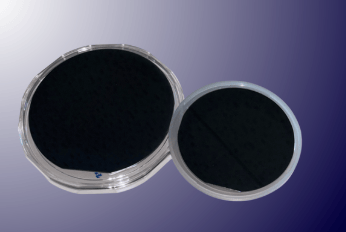
German SME Element 3-5 GmbH will build a high-performance wafer factory in Baesweiler, North Rhine-Westphalia. The project has received €353 million in support and plans to produce high-performance wafers used in microchip and sensor manufacturing, with products entering application areas such as automotive electronics. According to information released by the European Commission, the production approach adopted by this factory is highly specialized and will supplement Europe's supply capacity in the field of specialty semiconductor materials and wafer manufacturing.
Wafers are the fundamental material for chip manufacturing, and their purity, size, crystal structure, and surface quality directly affect subsequent chip performance and yield rates. After the German SME Element 3-5 project is implemented, the production process will cover high-performance wafer manufacturing and form connections with chip, sensor, and automotive electronics companies.
German Vishay Siliconix Itzehoe GmbH will advance a power semiconductor factory project in Itzehoe, Schleswig-Holstein, receiving €214 million in support. The factory will primarily produce power MOSFETs, semiconductor switches used to control and convert current, applicable in automotive power systems, motor control, in-vehicle electronics, and other power management devices.
As automotive electronic systems increase, vehicles require more power semiconductors for voltage conversion, current control, and energy management. The Itzehoe factory will focus on expanding the production capacity of specialized power MOSFETs, enabling the project to cover not only chip manufacturing but also the power device segment of the automotive electronics supply chain.
German KLA-Tencor MIE GmbH will produce advanced thin-film measurement equipment in Weilburg, Hesse, receiving €74.4 million in support. The related equipment is primarily used for quality control during the mass production of semiconductor components, capable of detecting the thickness, uniformity, and process deviations of thin films on wafer surfaces.
Semiconductor production involves multiple processes such as deposition, etching, cleaning, and photolithography. Deviations in thin-film parameters can affect the quality of entire batches of wafers. Measurement equipment can promptly identify anomalies during production, helping factories adjust processes and reduce defective products. The Weilburg project therefore falls under the semiconductor manufacturing equipment and process control segment, rather than directly producing chips.
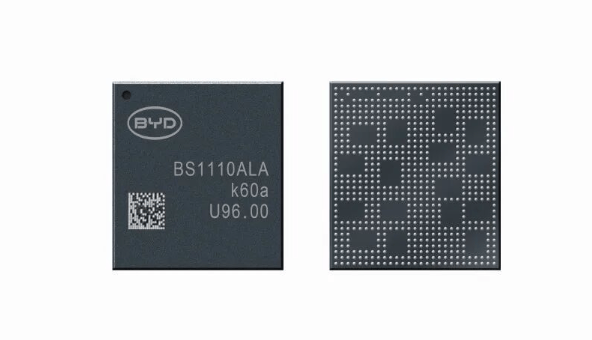
German KETEK GmbH will produce two types of highly specialized chips in Munich, Bavaria, with the project receiving €17.9 million in support. These chips will be used in industrial sorting and recycling systems, undertaking functions such as material identification, signal detection, and equipment control, providing core electronic components for automated recycling equipment.
The four projects cover different segments of the semiconductor industry chain: the Baesweiler factory produces wafer materials, the Itzehoe factory manufactures power semiconductors, the Weilburg factory provides wafer measurement equipment, and the Munich factory produces industrial application chips. Participating companies will also collaborate with universities and research institutions and open some technologies and production capacities to the EU semiconductor industry chain.
The EU plans to increase its share of global semiconductor manufacturing from approximately 10% to 20% by 2030. The approved German projects do not concentrate on building the same type of chip but simultaneously supplement capabilities in materials, devices, production equipment, and specialized chips, further improving Europe's local semiconductor manufacturing system.
Related Products




Comprehensive Mining Automation Control System
Beijing Tianma Intelligent Control Technology Co., Ltd.
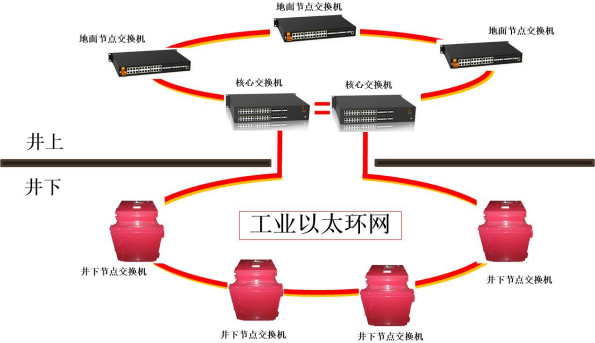
Mine Explosion-proof and Intrinsically Safe Industrial Ethernet Ring Network (10 Gigabit/Gigabit)
Chongqing Mas Sci&Tech Co., Ltd.

G.652.D Wavelength-extended Non-dispersion Shifted Single-mode Optical Fiber
HONGAN GROUP CO., LTD.