Johns Hopkins University Develops Thermal Framework for Stable Aluminum Metal Extrusion
en.Wedoany.com Reported - Researchers at Johns Hopkins University in the United States have developed a process framework based on thermal information and simulation guidance for stable metal extrusion additive manufacturing of thin-walled aluminum alloy structures. This framework addresses two types of thermal failure modes that previously limited the reliability of this technology in high-melting-point metals.
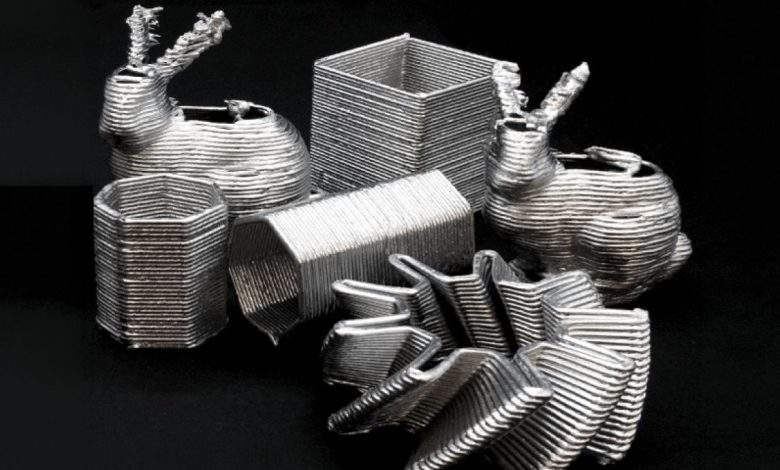
The study indicates that setting the operating temperature close to the melting point of the feedstock offers efficiency and cost advantages compared to powder bed fusion and directed energy deposition processes. However, the low viscosity, high thermal conductivity, and high surface tension of reactive, high-melting-point alloys such as aluminum during metal extrusion additive manufacturing (MEAM) narrow the process window.
Jochen Mueller, an assistant professor at Johns Hopkins University, stated that the research team introduced this metal extrusion additive manufacturing framework. By precisely controlling multiple process parameters, it can eliminate nozzle clogging and part collapse, thereby achieving stable and high-fidelity thin-walled aluminum printing.
The researchers identified underheating and overheating as the two primary thermal failure modes for high-melting-point metals in MEAM. Underheating occurs because, as the build height increases, heat dissipates through the deposited layers, leading to premature solidification and clogging at the nozzle tip. Overheating, on the other hand, occurs when the extrusion speed exceeds the cooling capacity of the deposited layer, causing remelting and structural collapse.
To address these two failure modes, the team adjusted the print bed temperature layer by layer while keeping the nozzle temperature and printing speed constant, and adopted a time-based criterion to determine the minimum cooling time required for each layer to reach the solidus temperature before continuing deposition. Using ER4043 aluminum alloy wire feedstock (approximately 5% silicon and 95% aluminum by weight), the framework produced thin-walled structures with consistent surface roughness and repeatable geometry across the entire build height. The researchers evaluated the resulting parts through microstructural characterization and mechanical testing, and demonstrated this method across multiple scales and structures with varying geometric complexity.
Related Products

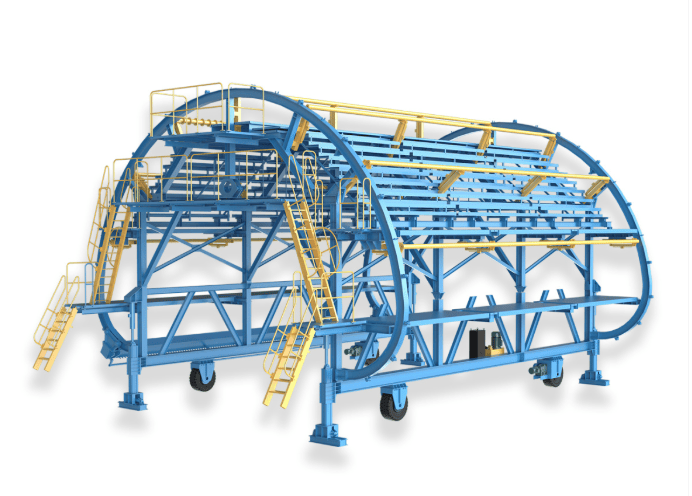
QLZNGJ Intelligent Steel Reinforcement Trolley
Luoyang China Railway Qiangli Machinery Co., Ltd.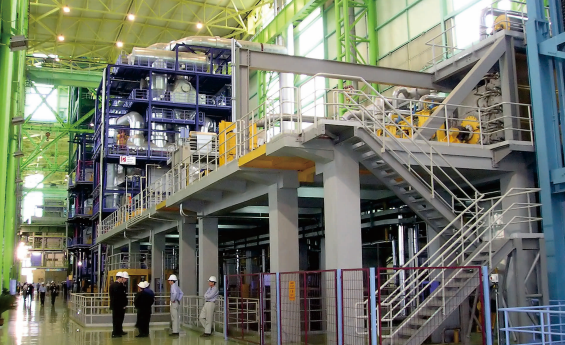
Strip Coating and Plating Production Line Equipment
MCC-SFRE HEAVY INDUSTRY EQUIPMENT CO., LTD.
Standard Nozzle Flowmeter
Jinggong Automatic Control Instrument Complete Technology Development Company

CAP1400 main feedwater flow nozzle flowmeter.
Jiangsu Hongda Instrument Technology Co., LTD.