Algeria Accelerates IPv6 Deployment to Drive Digital Transformation
en.Wedoany.com Reported - Algeria is accelerating the deployment of Internet Protocol version 6 (IPv6) as part of its digital transformation strategy, aiming to modernize internet infrastructure, address the rapid growth of connected devices, and enhance national digital resilience.
This initiative reflects Algeria's efforts to prepare for the future by guiding the telecommunications industry in transitioning from IPv4 to IPv6. This shift will improve network scalability, enhance internet performance, and create conditions for deploying emerging technologies such as 5G, artificial intelligence (AI), cloud computing, and the Internet of Things (IoT).
The move aligns with global trends of modernizing internet infrastructure driven by the continuous growth of connected users and devices.
IPv6 is an upgrade from its predecessor, IPv4, addressing the significant technical limitation of IP address scarcity. With its vastly expanded address space, IPv6 enables virtually unlimited device connectivity while improving routing efficiency and simplifying network management. The protocol is designed to meet the demand for unique internet addresses from billions of connected devices, sensors, and intelligent systems in the digital economy. As digital ecosystems become increasingly complex, IPv6 is increasingly regarded as essential infrastructure.
The transition to IPv6 supports the deployment of advanced telecommunications technologies such as 5G, edge computing, and IoT. Modern mobile networks, smart cities, industrial automation, and AI applications require scalable network architectures capable of supporting millions of connected devices simultaneously. IPv6 also enhances interoperability among emerging digital platforms and improves the efficiency of cloud-native applications and enterprise networks. The protocol is expected to play a key role in future digital services across both public and private sectors.
Accelerating IPv6 deployment is part of Algeria's broader investments in areas such as broadband construction, cybersecurity, AI, and digital public services. This process helps telecommunications operators, businesses, and government agencies deliver more reliable and scalable digital services while preparing for future technological applications. The initiative also serves Algeria's goals of strengthening national digital resilience and improving readiness for next-generation communication technologies.
As global internet traffic, cloud services, and connected devices continue to grow, governments and telecommunications operators worldwide are increasing their investment in IPv6. Countries with higher IPv6 adoption rates are generally better positioned to support digital transformation, hyperscale cloud infrastructure, and emerging AI applications. Expanding IPv6 deployment can also reduce long-term operational complexity by building more efficient and sustainable network architectures.
Related Products





G.652.D Wavelength-extended Non-dispersion Shifted Single-mode Optical Fiber
HONGAN GROUP CO., LTD.

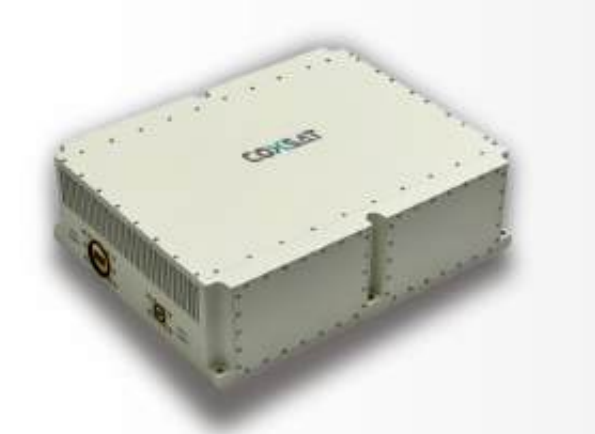

MUX Series Communication Interface Device for Security and Stability Control System
Nanjing NR Electric Co., Ltd.
Multi-function Marine Monitoring Low-altitude Detection Radar Sea-air Boundary Ocean Dynamic Environment Measurement
Chengdu Dixin Technology Co., Ltd.

Comprehensive Mining Automation Control System
Beijing Tianma Intelligent Control Technology Co., Ltd.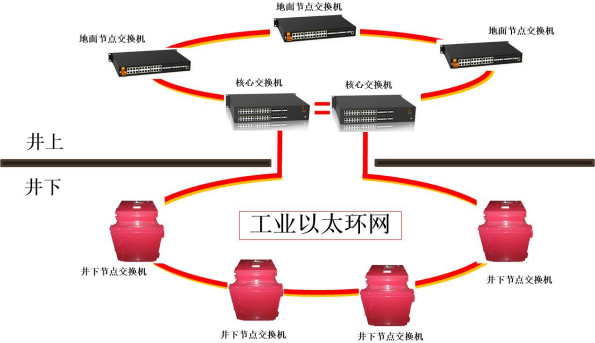
Mine Explosion-proof and Intrinsically Safe Industrial Ethernet Ring Network (10 Gigabit/Gigabit)
Chongqing Mas Sci&Tech Co., Ltd.