GRIMME Launches MultiSep Separation Option for RH 24 Receiving Hopper
en.Wedoany.com Reported - German agricultural machinery manufacturer GRIMME has introduced the MultiSep separation option for the RH 24 series receiving hopper, designed to enhance crop cleaning performance under wet and heavy soil conditions.
The RH 24 series hopper, with a bottom width of 2.4 meters, is equipped with a specially designed cleaning unit and can achieve a receiving capacity of 100 to 140 tons per hour. The hopper is operated via the ISOBUS IBX 300 terminal and features auxiliary systems such as Remain Control and Capacity Control to reduce operator workload while optimizing product protection and storage capacity.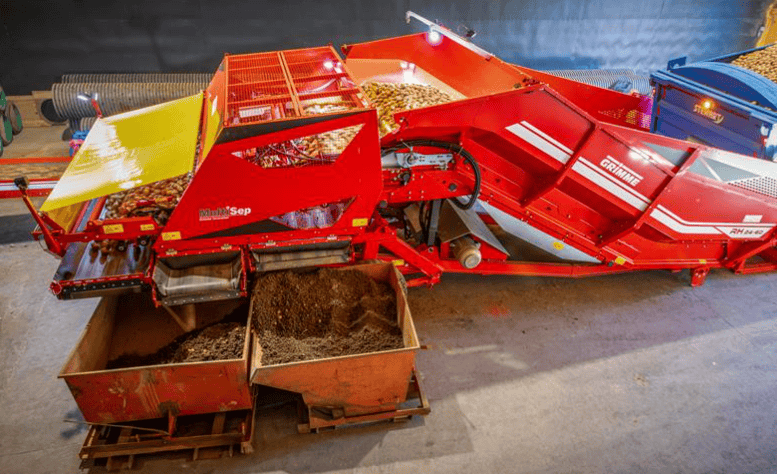
The MultiSep option is positioned between the conveyor belt and the pre-grading rollers, specifically designed for working conditions where adhering soil, clods, and plant residues may affect cleaning quality. The system consists of four pairs of rollers, each comprising a segmented roller with four lips and a steel smooth roller for separating soil clods. Under particularly difficult conditions, the rollers can rotate in reverse to achieve active cleaning, effectively separating wet soil and clods while removing weeds and vine residues.
To maximize separation efficiency, MultiSep offers multiple hydraulic adjustment options. Operators can adjust the speed and rotation direction of the rollers, the position of the clod rollers, as well as the distance and inclination of the polyurethane spiral rollers according to harvesting conditions, allowing flexible machine configuration.
GRIMME has also optimized maintenance aspects. The MultiSep unit is equipped with inspection windows and work lighting for monitoring the separation process; the self-cleaning function and reverse function of the segmented rollers help prevent material buildup. When necessary, the cleaning cover allows quick access to the scrapers, thereby reducing machine downtime.
With this innovation, GRIMME extends the technology used on its harvesters to the RH 24 series, enhancing the receiving hopper's adaptability under challenging harvesting conditions.
Related Products

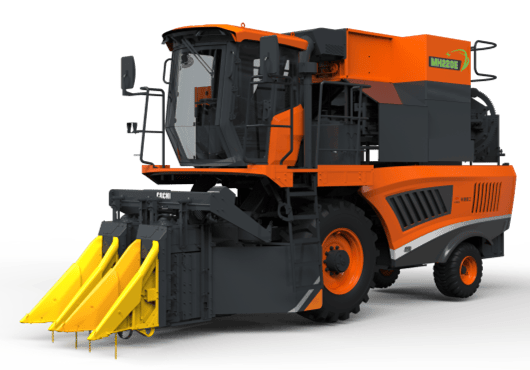
MH220E Two-Row Hybrid Packaged Cotton Picker
CHINA RAILWAY CONSTRUCTION HEAVY NDUSTRY XINJIANG CO., LTD.
Industrial and Commercial Point-Type Gas Detector
Jinan Benan Technology Development Co., Ltd.
714CD Series C-Band Weather Radar
Chengdu Zhongdian Jinjiang Information Industry Co., Ltd.
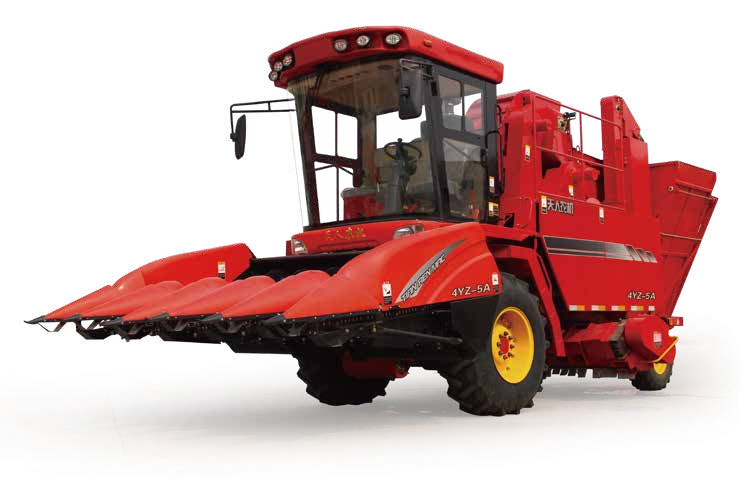
4HS-8 High-efficiency Peanut Inverted-laying Harvester
Hebei Yongfa Hongtian Agricultural Machinery Manufacturing Co., Ltd.