International Seabed Authority to Review World's First Deep-Sea Mining Application in July
en.Wedoany.com Reported - The International Seabed Authority (ISA, a UN-affiliated regulatory body) is preparing to review the world's first commercial deep-sea and ocean mining application, possibly as early as this month (July). This comes despite warnings and concerns from many member states that the move is premature, arguing that extraction activities should not be shifted from land to the sea.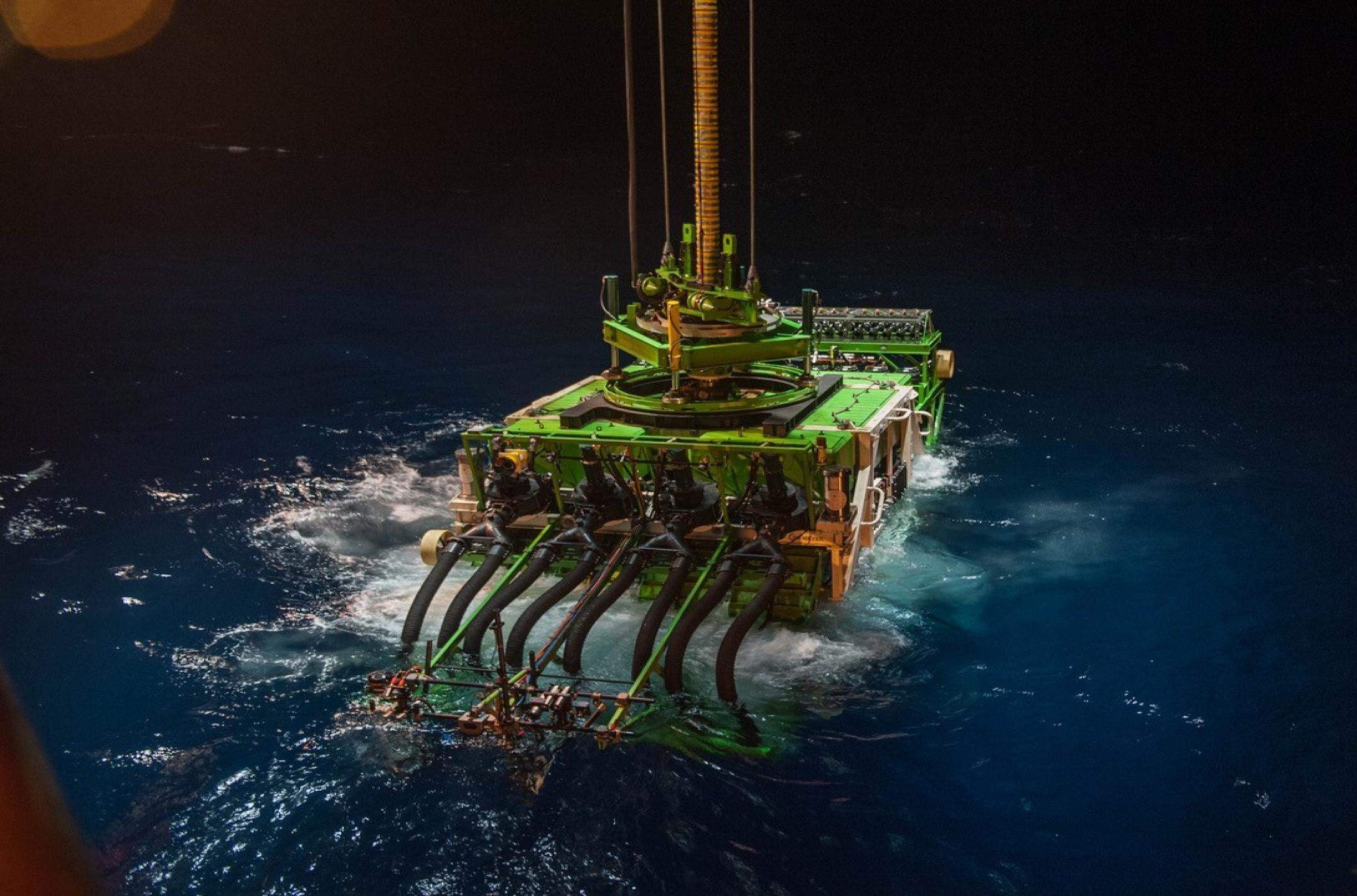
The root of the current crisis can be traced back two years, when the Pacific island nation of Nauru triggered a legal clause. This clause requires the International Seabed Authority, if it fails to reach an agreement on a complete set of environmental safeguards and standards for the mining industry before this summer, to review applications for commercial mining licenses under a framework originally intended for exploration.
As the deadline approaches, countries and companies are racing to influence the next phase of rule-making. International positions are divided: Nauru is explicitly pressuring for mining applications to be reviewed starting in July; Norway holds a moderately pro-mining stance and opposes simplified use of veto power to block applications; China has dispatched vessels to explore the seabed for critical minerals such as nickel, manganese, and cobalt, with Chinese diplomats not immediately pushing for advancement in recent meetings but arguing that environmental concerns should not outweigh economic gains; European countries like France, Germany, and Spain hold exploration licenses but call for a "cautious pause" on deep-sea mining; the UK is funding a £6 million scientific research project in its exclusive exploration zone in the Pacific and has announced it will not support commercial mining in these areas until the ISA establishes strict global rules; the United States has never joined the regulatory body.
Proponents of ocean mining argue that this shift is necessary because land-based mining cannot meet the growing demand for critical minerals used in batteries and hard wiring, which are essential for driving the transition away from fossil fuels. The International Energy Agency (IEA) estimates that by 2040, mineral demand will quadruple, driven by a surge in demand for electric vehicle and grid batteries, to meet the goals of the Paris Climate Agreement. Expanding land-based mining would mean complete reliance on China and incur significant environmental costs.
Ocean groups are currently testing three methods for extracting minerals, the primary one being the suction of deep-sea "polymetallic nodules" through a 4-kilometer-long hose onto a transport vessel. These nodules contain copper, cobalt, nickel, and manganese, the land-based extraction of which has sparked widespread controversy due to deforestation, forced labor, and community displacement.
Environmental scientists warn that sensitive deep-sea ecosystems could be destroyed, such as the Pacific's "Clarion-Clipperton Zone"—one of the most biodiverse marine environments, home to rare creatures like transparent ghost fish, dumbo octopuses, and giant sea anemones. Scientists explain that noise pollution could disturb marine mammals, while wastewater discharged by mining machinery could disrupt "marine snow," carbon and nutrient-rich particles that take thousands of years to settle on the seabed.
The International Seabed Authority, established in 1982, makes decisions through a small rotating council representing 167 member states and the European Union, but the body has been accused by some diplomats of taking a strongly pro-mining stance. Starting this month, the council can approve commercial extraction licenses after a one-year review period with support from just one-third of its members. The Authority's British Secretary-General, Michael Lodge, has faced criticism for remarks described as "misleading." He has characterized mining opponents as "environmental extremism and dogmatic rigidity," arguing that banning mining is "anti-science, anti-development, and against international law." He has also appeared in promotional videos for the Canadian mining company "The Metals Company." In February of this year, Lodge attempted to assert the Authority's primacy over a new landmark UN treaty—designed to protect marine biodiversity and grant powers to intervene in human-caused maritime disasters—writing that the new agreement should not "duplicate or undermine" the Authority's work. In March, Lodge dismissed concerns from the German delegation about his efforts to slow the approval of commercial mining contracts, calling them "bold and lacking evidence."
The company "The Metals Company," backed by FTSE 100-listed mining giant Glencore, Swiss contractor Allseas, and Nauru, is leading this shift. Its CEO, Gerard Barron, confirmed the company's plan to submit a commercial mining application this year. The company is currently loss-making, having collected 4,500 tons of nodules in trials last year, and plans to collect 1.3 million tons annually once a commercial license is granted, promising to achieve revenue by the end of next year (2027). Beyond environmental and commercial concerns, this nascent industry also faces legal and economic challenges, such as determining liability and compensation in the event of pollution or seabed damage, ensuring subsidiaries can pay fines before bankruptcy, whether deep-sea mining can compete with land-based mining costs, how to convince automakers and consumers to adopt these minerals, and the mechanism for profit distribution among member states.
Related Products


New Environmentally Friendly Green Potassium Salt Collector
Chonfar Engineering and Technology Co., Ltd.

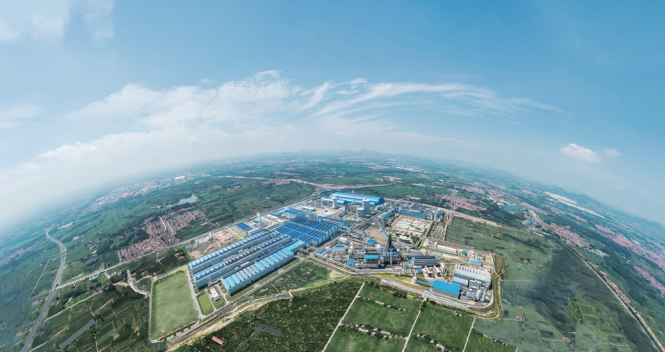
Linyi Steel Investment Special Steel 2.7 Million Tons per Year High-quality Special Steel Project
Capital Engineering & Research Incorporation Limited

Industrial and Commercial Point-Type Gas Detector
Jinan Benan Technology Development Co., Ltd.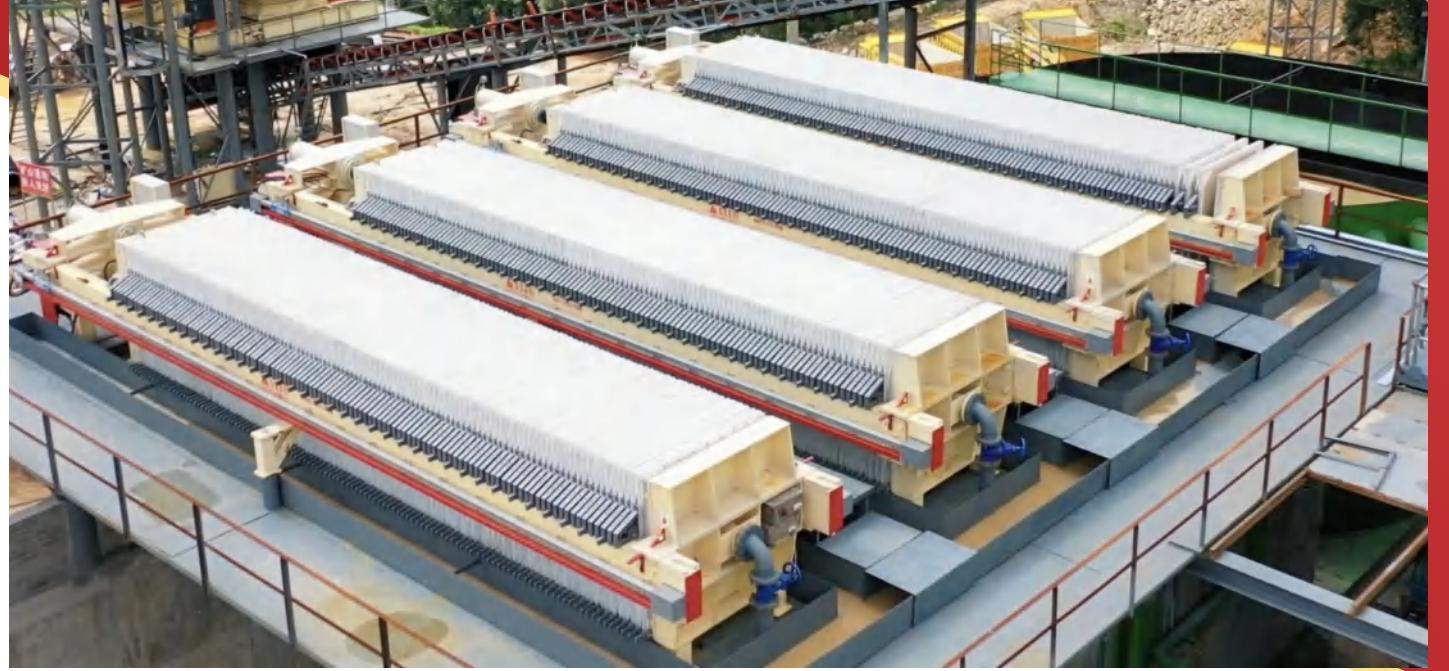
Hydraulic Plate and Frame Filter Press
Guangdong Leimeng Intelligent Equipment Group Co., Ltd.