en.Wedoany.com Reported - Brazilian agricultural producers faced widespread price declines in the first half of 2026. The Agricultural Producer Price Index (IPPA/Cepea) accumulated a drop of 9.52% compared to the same period last year, with all major segments under this indicator experiencing depreciation. The most significant factors included sharp declines in coffee and sugarcane prices, as well as decreases in major grains and some animal protein prices.
According to a survey by the Center for Advanced Studies in Applied Economics (Cepea/Esalq-USP), the performance of the Brazilian index was slightly better than that of the international food market. During the same period, the IMF Food & Beverage Index, converted into Brazilian reais, fell by 10.64%, indicating that the downward pressure on agricultural commodities is also present globally.
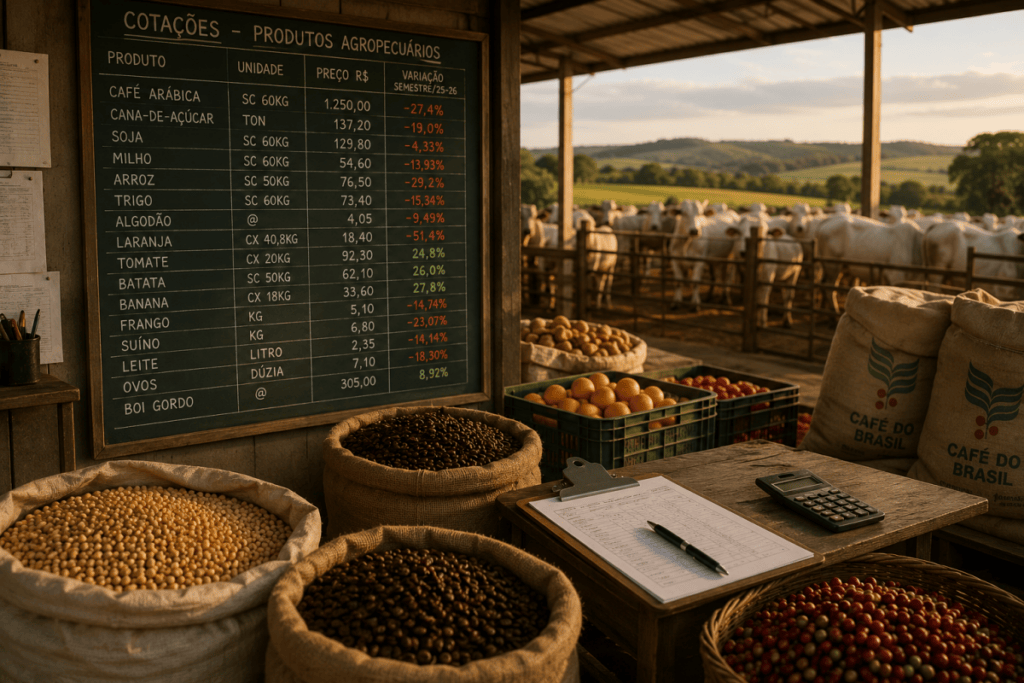
The segment with the greatest impact on the index results was the IPPA-Sugarcane-Coffee group, which dropped by 22.51%. Cepea data shows that coffee prices fell by 27.4%, reflecting market optimism regarding global supply for the 2026/27 season and also related to Brazil's potential record harvest. The start of the Arabica coffee bean harvest intensified this trend, although rainfall in June limited further declines by raising concerns about coffee quality. Sugarcane prices also fell sharply by 19%, contributing to the negative performance of this segment.
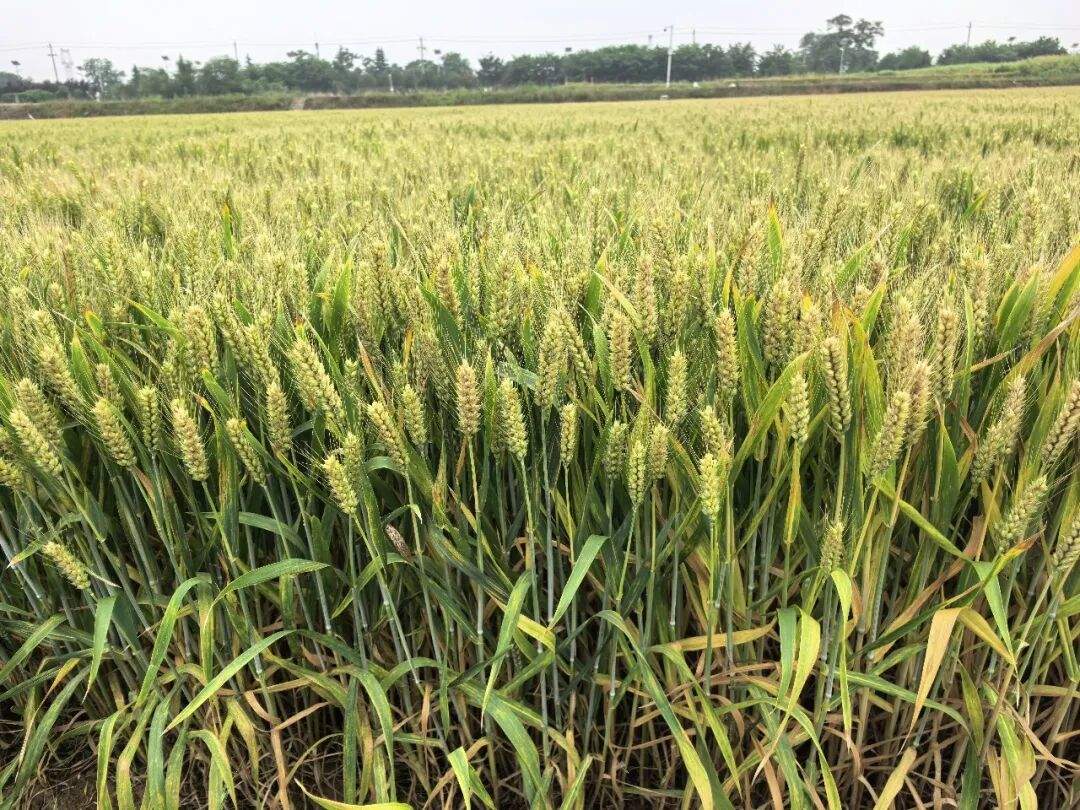
The grains segment index fell by 9.49%, with all analyzed crops posting losses. Rice led the decline, depreciating by 29.2%, followed by wheat (-15.34%), corn (-13.93%), cotton (-9.49%), and soybeans (-4.33%). Cepea researchers stated that the rice market deserves special attention, as its prices remain at levels considered insufficient to restore profitability for the activity.
The fruits and vegetables segment fell by 4.7%, mainly influenced by declines in orange (-51.4%) and grape (-15.5%) prices. Conversely, prices for potatoes (+26%), tomatoes (+24.8%), and bananas (+27.8%) increased. The livestock segment fell by 4.34%, dragged down by declines in chicken (-14.74%), pork (-23.07%), milk (-14.14%), and eggs (-18.3%) prices. An exception was the beef arroba (arroba bovina, a Brazilian unit of measurement for beef), which accumulated an increase of 8.92% in the first half of the year.
The IPPA results indicate that, despite differences across production chains, most producers faced a relatively unfavorable price environment in the first half of the year. Cepea believes that continuously monitoring market and production cost changes remains crucial for assessing the impact on the profitability of different agricultural activities in 2026.