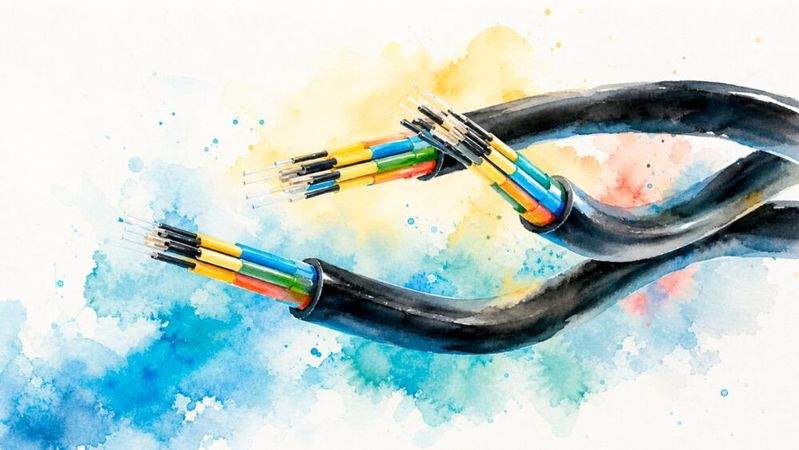
ITU and FCC Release Submarine Cable Resilience Report and Rules Respectively
en.Wedoany.com Reported - The International Telecommunication Union (ITU) and the U.S. Federal Communications Commission (FCC) have recently released rules and reports on submarine cable infrastructure from the perspectives of deployment resilience and security review, respectively. Both agencies regard submarine cables as strategic infrastructure supporting cloud computing, AI services, and global connectivity, rather than mere telecommunications assets. The consensus among telecom operators on network sovereignty and critical infrastructure has been realized: telecommunications infrastructure is critical infrastructure and should be more resilient. The announcements from the ITU and FCC both address specific details of submarine resilience and security, but from different angles—the ITU focuses on how cables are deployed and maintained, while the FCC focuses on who owns and operates the cables and who can be trusted to participate in related systems.
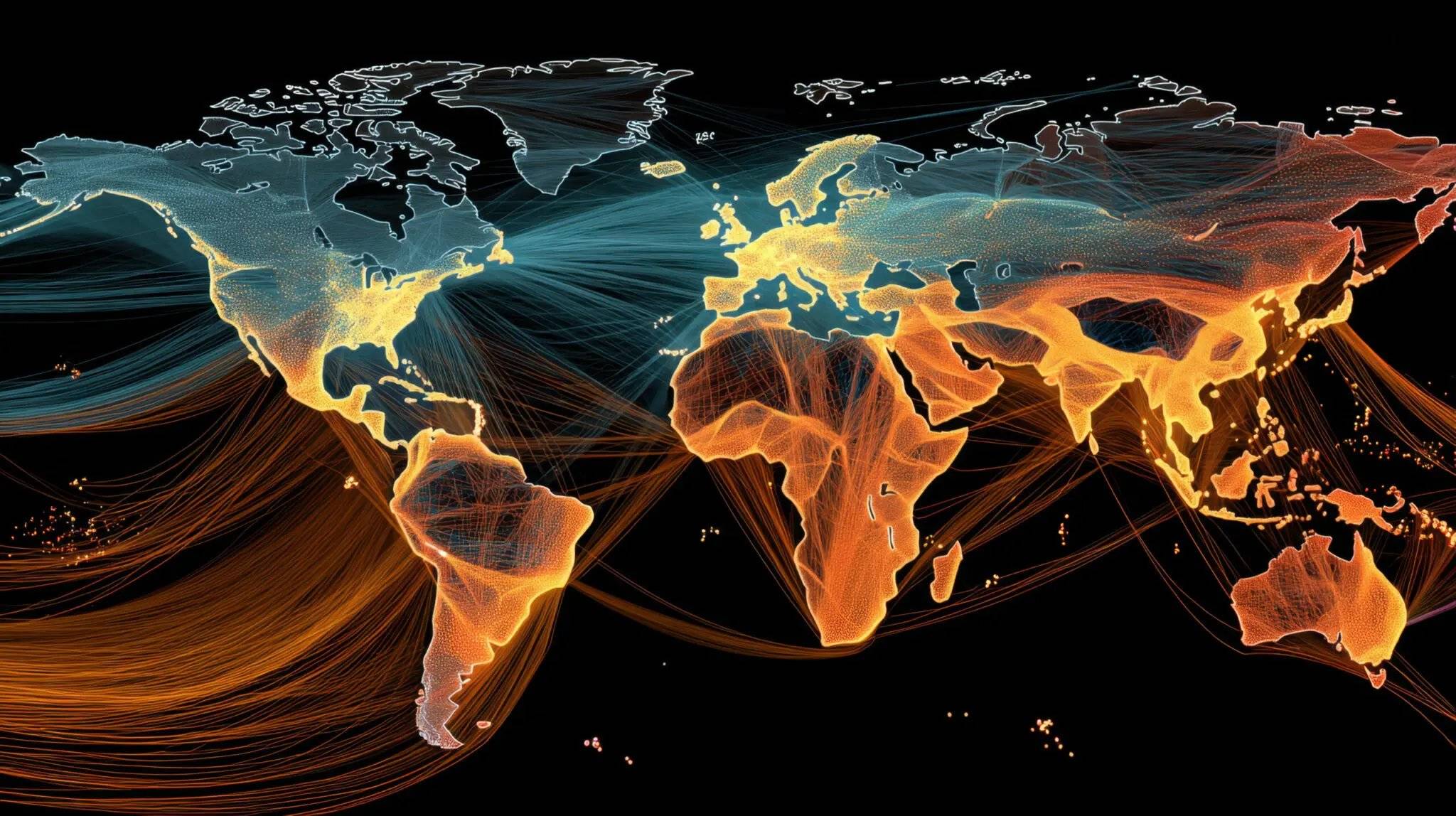
The ITU's latest submarine cable resilience report points out that licensing and regulatory coordination are the main obstacles to accelerating cable deployment and repair, calling on governments and telecom operators to strengthen cooperation. The report, released by the International Advisory Body for Submarine Cable Resilience (IAB), jointly established by the ITU and the International Cable Protection Committee (ICPC) in 2024, summarizes the risks of physical disruptions caused by natural disasters and human accidents, and notes that cyber threats and tampering are increasing. The report particularly emphasizes that in small island nations with highly concentrated infrastructure and underserved regions, slow bureaucratic international cooperation exacerbates risks, which involves a clear digital divide agenda. The report lists all bottlenecks in route deployment and maintenance, noting that transoceanic cables typically require 30 months to deploy, with the licensing process being the "longest and most critical phase," often delayed by "restrictive policies, protectionist measures, fragmented jurisdictional requirements, and delays in inter-agency coordination." The report recommends that governments enhance monitoring and increase route diversity. ITU Secretary-General Doreen Bogdan-Martin called the report a "practical roadmap for keeping submarine networks reliable." IAB Co-Chair Sandra Maximiano stated that when different stakeholders come together with a common goal, global challenges can be transformed, and the task is to turn cooperation into lasting resilience for the infrastructure connecting the world.
Meanwhile, the FCC has reformed the submarine cable licensing framework, introducing stricter regulations on the infrastructure and companies involved in cable systems connecting to the United States. One of the most significant changes concerns the regulation of Submarine Line Terminal Equipment (SLTE). This equipment, located at cable landing stations, is responsible for converting optical signals into data traffic that can be transmitted over terrestrial networks. FCC Chairman Brendan Carr described it as "potentially the most vulnerable part of the cable system." Previously, SLTE operators were not subject to the same licensing requirements as cable owners; the FCC now considers these systems a critical part of the chain and subject to direct regulatory oversight. The FCC has also strengthened national security reviews of submarine cable projects, imposing stricter scrutiny on ownership structures, supply chains, and operational control. These changes continue the U.S. policy trend of restricting entities believed to be associated with foreign adversaries, particularly China, from participating in critical communications infrastructure. The FCC also seeks to streamline approval processes for operators meeting its security standards, establishing a trusted path for future investment, from which major submarine infrastructure builders like Facebook parent Meta and Google parent Alphabet will benefit. Carr stated that U.S. suppliers are world leaders in the submarine cable sector, and accelerating construction means providing faster, more resilient internet services as AI drives greater demand for connectivity, "which will also enable our companies to sell more services abroad." He added that submarine cables face greater threats than ever—bad actors seek to access sensitive data and communications transmitted via cables, and the threat of cyber or physical disruptions will only increase. The new rules assume that cable applications can be exempted from extensive and time-consuming reviews, provided applicants can demonstrate compliance with strict security standards and agree to ongoing oversight and monitoring. Carr said the message is simple: adopt strong national security standards and receive a fast track for application approval. The global submarine cable industry continues to build more cables and more routes in pursuit of capacity and diversity, with global data traffic spiraling upward to serve the "AI economy"—data construction, cross-connections, and distribution at large-scale hyperscale AI factories are key drivers. Geopolitical angles are also emerging, as governments worry about the ownership, operation, and protection of the fiber optic cables connecting everything, which are subject to disputes and disruptions. The FCC believes that submarine cables carry up to 99% of global internet traffic, and U.S. companies dominate the laying, ownership, operation, and equipment provision of these cables.
Related Products



Multi-function Marine Monitoring Low-altitude Detection Radar Sea-air Boundary Ocean Dynamic Environment Measurement
Chengdu Dixin Technology Co., Ltd.

G.652.D Wavelength-extended Non-dispersion Shifted Single-mode Optical Fiber
HONGAN GROUP CO., LTD.
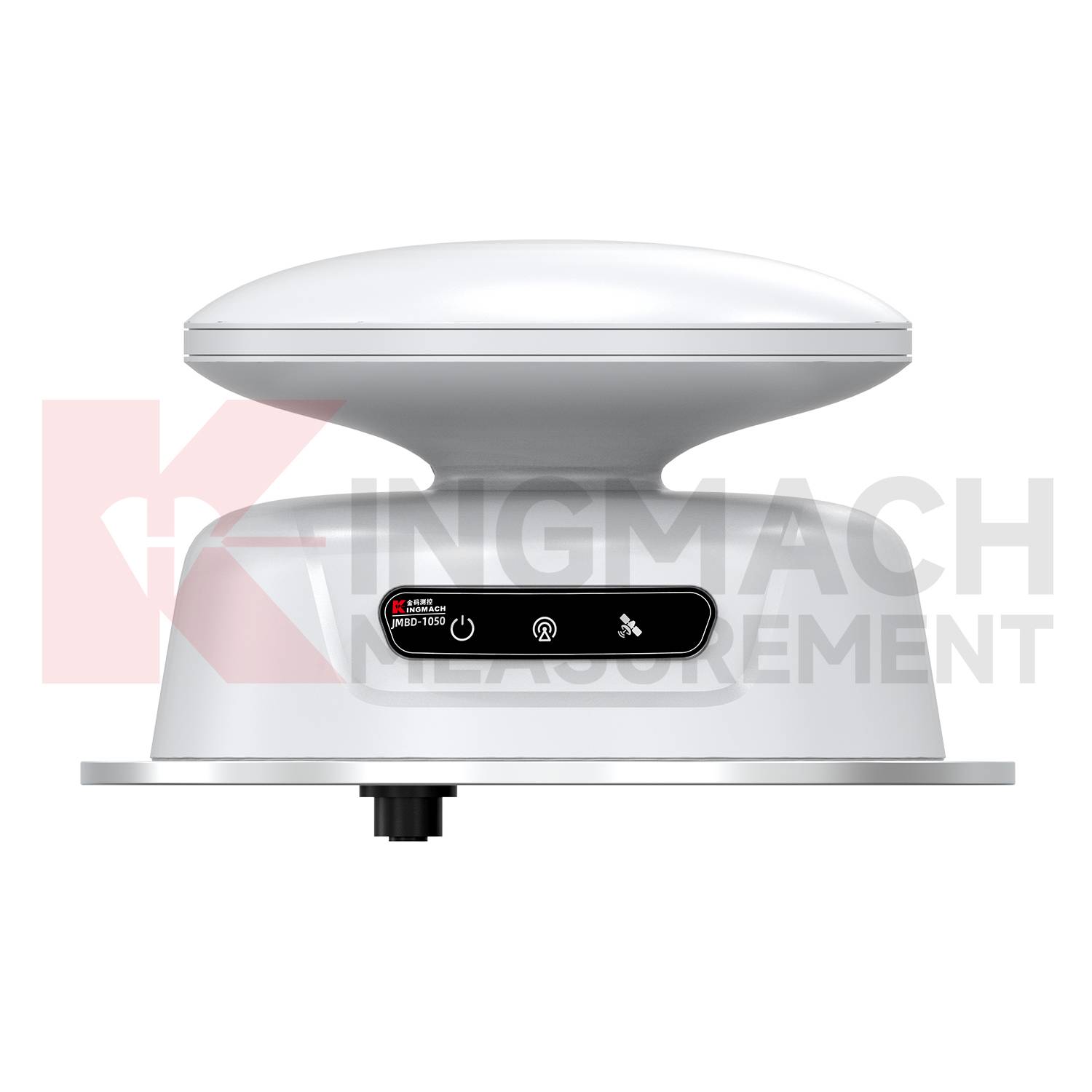



Industrial and Commercial Point-Type Gas Detector
Jinan Benan Technology Development Co., Ltd.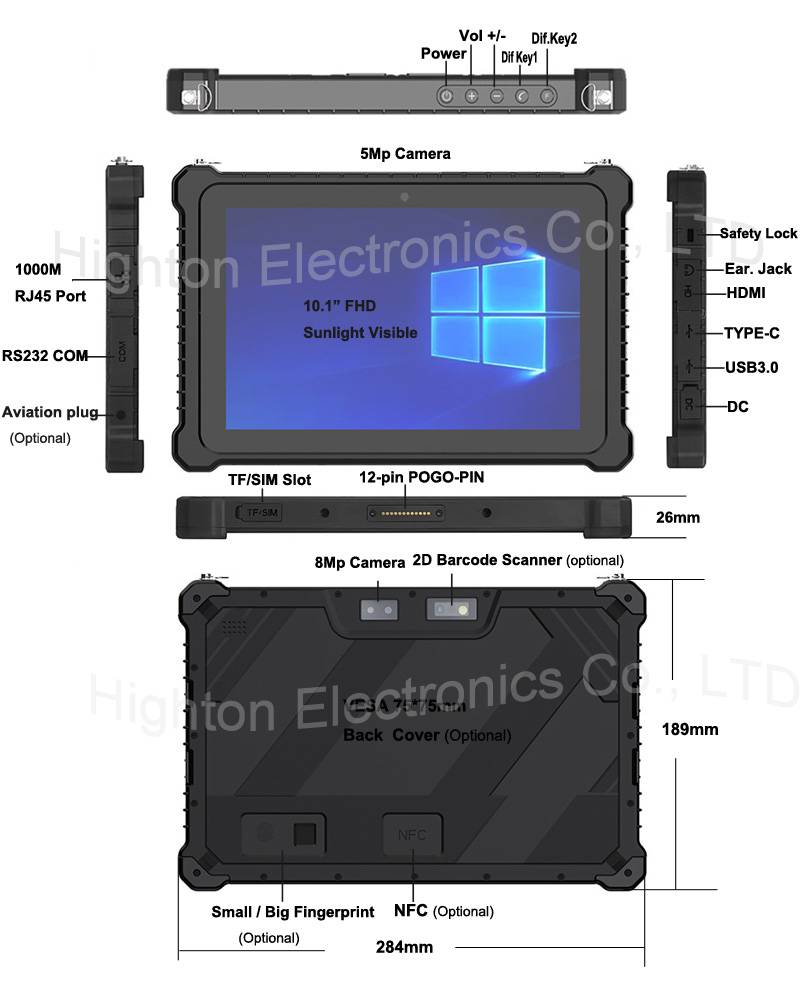
Hot Selling 10 Inch Intel N5100 I5 I7 FHD 8 +128GB 16+256GB Win10 Pro Win11 Pro 4G 5G Rugged Tablet PC Pad with NFC Barcode
Highton Electronics Co., Ltd.