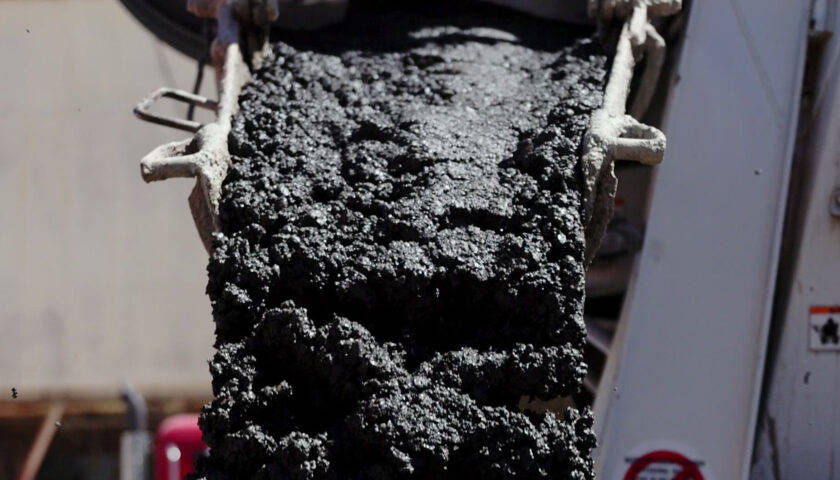
en.Wedoany.com Reported - U.S. innovative environmental technology company Bioforcetech has received a $310,000 grant from Columbia University's Carbon Technology Development Initiative (CDI) to design, prototype, and commercialize a device capable of delivering biochar aggregate directly into concrete mixer trucks, with an expected feed rate exceeding 100 pounds per cubic yard. The company states that one ton of its OurCarbon material has the potential to sequester a greater equivalent amount of carbon dioxide, while avoiding up to 24 tons of CO2e compared to landfill disposal.
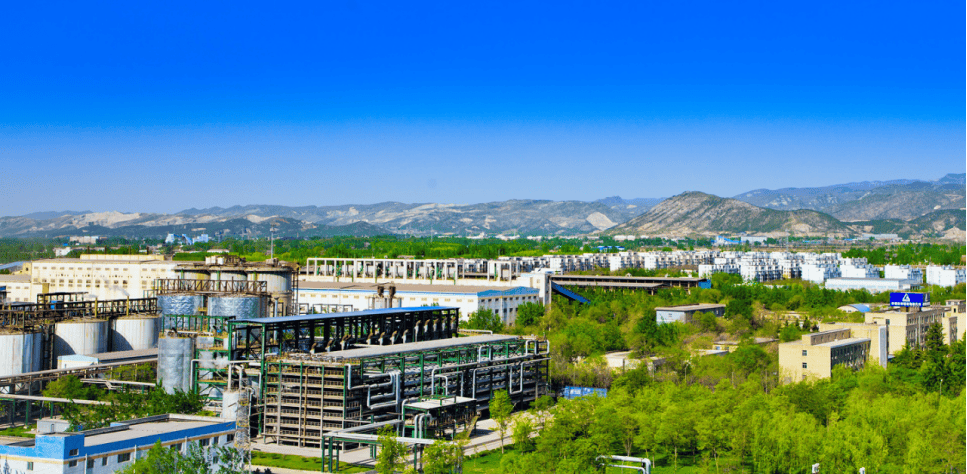
Production of OurCarbon begins at wastewater treatment plants equipped with Bioforcetech equipment. Biosolids pass through a drying system and then enter a high-temperature pyrolysis stage (BFT SigmaOne), producing a stable, concrete-grade carbon material. The OurCarbon used for concrete mix testing comes from the flagship BFT SigmaOne unit at the Silicon Valley Clean Water facility in Redwood City, California.
Bioforcetech CEO Dario Presezzi stated that the company is known for building technologies that enable circularity and is excited to apply its experience in treating wastewater solids to closing the carbon loop in concrete, achieving durable, long-term carbon sequestration.
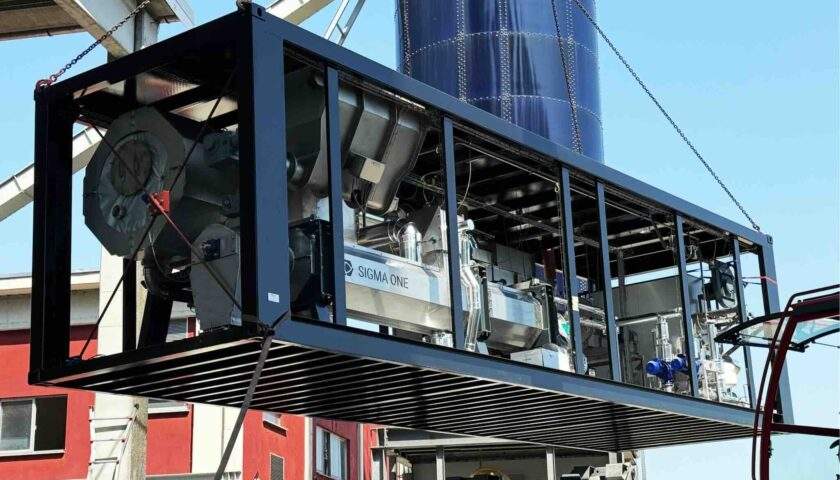
Bioforcetech's second process stage addresses contamination from "forever chemicals" or PFAS, a challenge for municipal biosolids management nationwide. Columbia University's CDI program is supported by the New York State Energy Research and Development Authority, which recognizes Bioforcetech's value proposition in low-carbon concrete and PFAS management. Bioforcetech Chief Development Officer Garrett Benisch noted that New York State is a prime example of government addressing the many challenges of decarbonization and cleaning material streams, and the CDI team recognized the opportunity for this solution to provide multiple benefits for the state's waste and construction sectors.
CDI Project Manager Kartik Pilar added that Bioforcetech embodies the mission to accelerate the commercialization of innovative carbon management technologies that can generate meaningful climate and economic impacts, and the company is proving that waste and emissions can be transformed into valuable building materials at scale while creating a viable pathway for durable carbon sequestration—solutions of this kind are exactly what is needed to advance New York State's climate goals and build a thriving carbon technology ecosystem.