Niger to Restructure Spectrum for 5G Readiness from 2027 to 2029
en.Wedoany.com Reported - The Nigerien Telecommunications Regulatory Authority (ARCEP) is undertaking a restructuring of frequencies required for mobile communications to create conditions for the deployment of fifth-generation mobile communications (5G). This frequency adjustment is part of the transition for implementing the 2025 National Frequency Allocation Plan (PNAF), spanning from 2027 to 2029.
The specific adjustments involve three major frequency bands. The 600 MHz band is currently primarily used for Digital Terrestrial Television (DTT). ARCEP believes that with the development of new audiovisual content access methods such as IPTV and Over-The-Top (OTT) television services, terrestrial television's utilization of this band is limited. Therefore, it plans to reallocate this band to mobile services for 4G and 5G networks, particularly in rural areas to improve coverage. The 700 MHz band is partially occupied by broadcasting services; related television services will be gradually migrated to other parts of the broadcasting band to free up this band for 4G and 5G use. The 3.5 GHz band is considered a key resource for 5G deployment. ARCEP plans to release sufficiently large contiguous frequency blocks for mobile operators and arrange for the migration of Fixed Wireless Access networks (FWA/BWA) currently using this band to other resources such as 6 GHz.
ARCEP launched a public consultation from July 20 to August 31, 2026, seeking opinions from operators, telecommunications industry participants, and other radio spectrum users on the proposed directions. The spectrum restructuring proceeds in phases: first, identifying existing users of the relevant frequency bands and collecting feedback through public consultation; then determining migration plans, supporting measures, and a timeline for frequency release. After completing the restructuring, the authority can allocate the released frequencies and related licenses to operators intending to deploy 5G through tenders or auctions, and formulate specific charters clarifying conditions such as coverage obligations, service quality, and investment commitments.
Subsequently, telecom operators can deploy infrastructure compatible with 5G and launch services to users based on their commercial strategies. Currently, the Nigerien authorities have not announced a specific timeline for commercial 5G deployment. According to ARCEP's latest 2024 annual report, 5G remains listed as a future priority. The authority emphasizes the need to create an incentive framework for investments in emerging technologies such as 5G, the Internet of Things (IoT), and fiber optic networks through regulatory and tax incentives. Currently, 2G remains the most widespread mobile technology in Niger. Data from the International Telecommunication Union (ITU) for 2024 shows that 2G covers 87% of the population, 3G coverage is 44%, and 4G, launched in 2019, covers 40% of Nigeriens.
Related Products


JiuTian OneSky Pilot—Intelligent Management And Service Platform
China Times Prospect Science & Technology Co., Ltd.


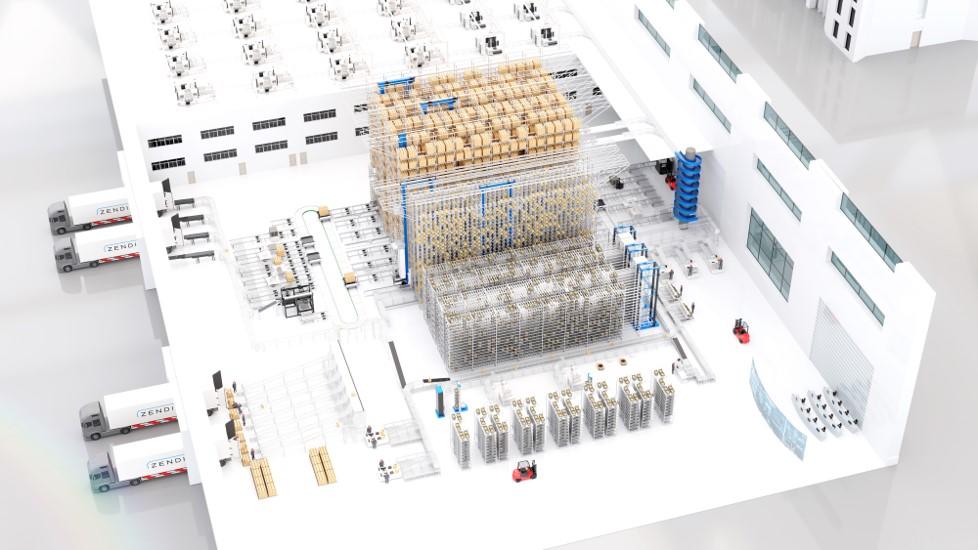
One-Stop Steward Service for the Entire Logistics System Integration Chain
Zhongding Intelligent (Wuxi) Technology Co., Ltd.




Comprehensive Mining Automation Control System
Beijing Tianma Intelligent Control Technology Co., Ltd.
Mine Explosion-proof and Intrinsically Safe Industrial Ethernet Ring Network (10 Gigabit/Gigabit)
Chongqing Mas Sci&Tech Co., Ltd.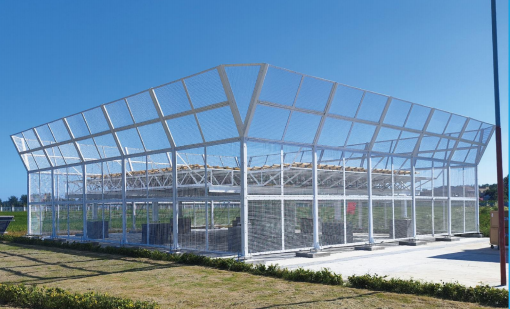
TWP16 P-Band Tropospheric Wind Profile Radar
China Huayun Meteorological Technology Group Co., Ltd.