Zhenhua Heavy Industries Changxing Branch Launches Digital Safety Capsule for Confined Spaces
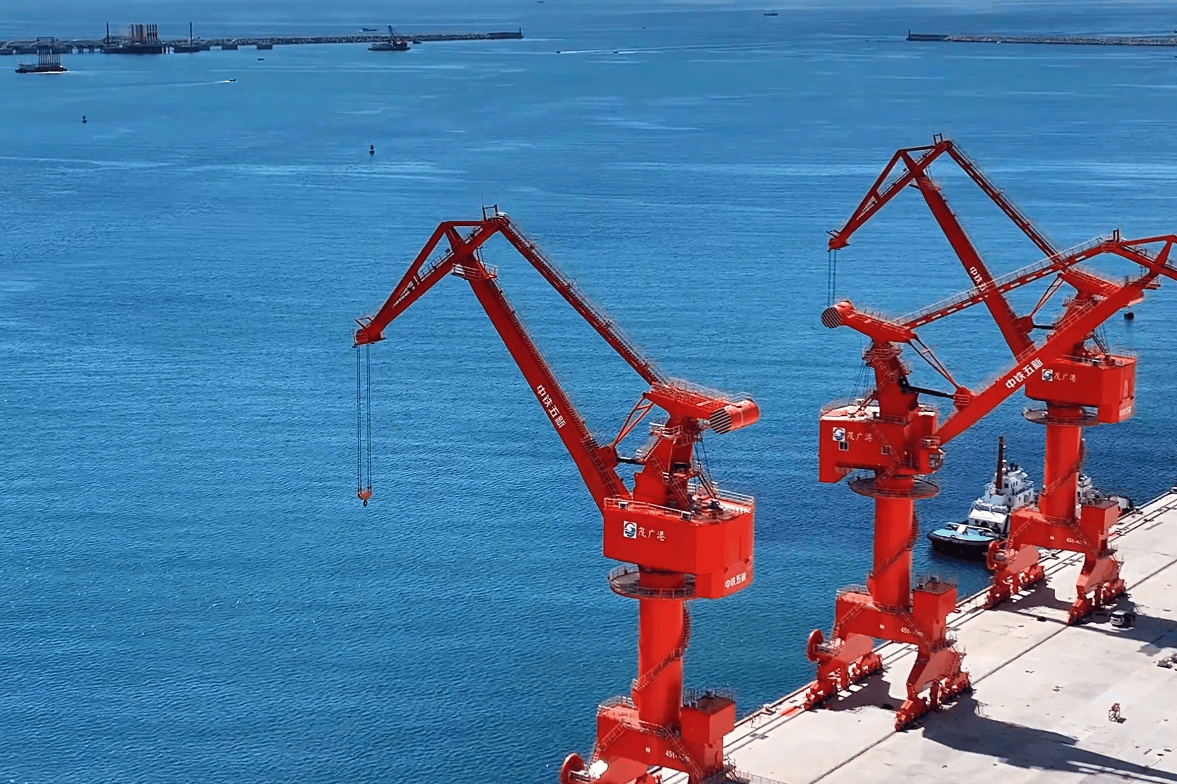
en.Wedoany.com Reported - Zhenhua Heavy Industries Changxing Branch has upgraded safety management for confined space operations from manual monitoring to digital real-time surveillance by deploying smart wristbands and gas monitoring systems. In June, inside the column of Unit 5 of the quayside container crane project at the Port of Rotterdam, welder Tang Xinjian, wearing protective gear, performed welding operations, with his smart wristband displaying a real-time heart rate of 78, blood oxygen level of 98%, and temperature of 36.5 degrees Celsius. This system operates routinely at two to three hundred confined space work sites across the factory daily.
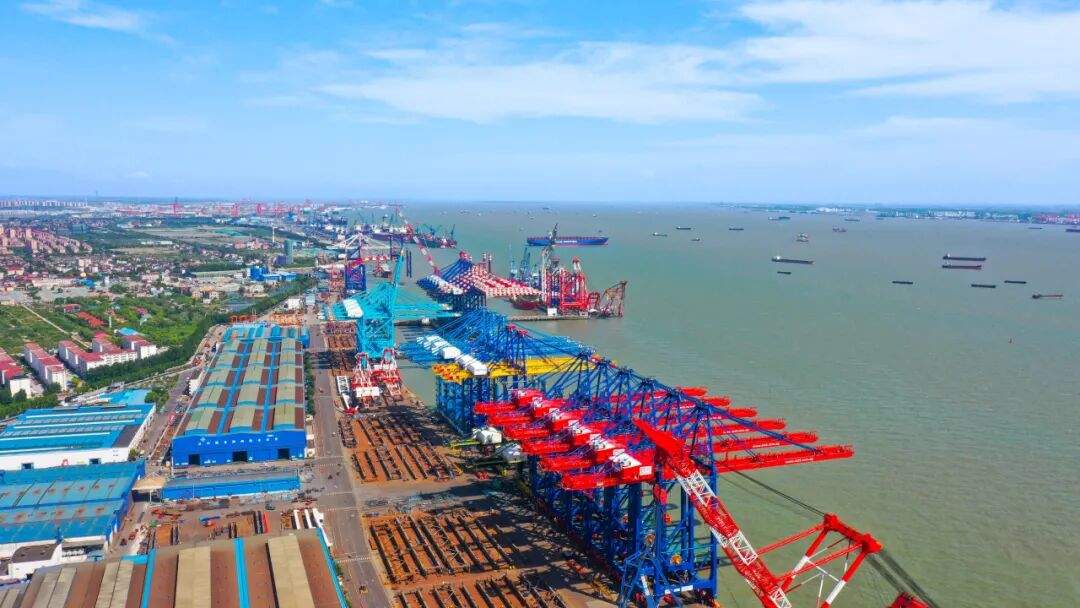
As one of the world's largest port equipment manufacturing bases, Zhenhua Heavy Industries Changxing Branch primarily produces large equipment such as quayside container cranes and ship unloaders. These tens-of-meters-high steel structure equipment requires extensive welding work, but narrow spaces, poor air circulation, combined with summer heat and accumulation of exhaust fumes, make poisoning and oxygen deficiency prominent risks in frontline operations.
Safety Director Zhang Junjie explained that previously, monitoring relied entirely on personnel watching each other, with supervisors shouting inquiries into the container every 15 minutes. This manual control was both labor-intensive and inefficient, making it difficult to eliminate blind spots. Frequent safety incidents in confined spaces within the industry prompted the company to abandon extensive management models and adopt digital methods to enhance safety through technology. At the end of November 2023, the branch's Safety and Environmental Department collaborated with research institutions to initiate a project, building a cloud-based control platform that connects data links among smart wristbands, audible and visual alarm lights, mobile mini-programs, and remote platforms, establishing a confined space safety intelligent detection system. This platform refreshes personnel vital signs data every minute, immediately triggering alerts for abnormal values, and escalating warnings by work site, area, and branch levels, forming a closed-loop management system with a 10-second alert response, 30-minute on-site handling, and 3-minute emergency reinforcement. After a year of debugging and optimization, the system was officially launched in December 2024.
After completing personnel vital signs monitoring, the team shifted focus to gas detection shortcomings. In January 2025, development of the gas detection module began, with system integration completed in September of the same year, enabling automatic collection and upload of four key indicators: oxygen, carbon monoxide, hydrogen sulfide, and volatile exhaust gases. Exceeding gas concentration thresholds simultaneously triggers full-chain alerts. After nearly ten months of on-site trial operation and parameter optimization, this module is scheduled for full rollout across the entire factory by the end of June 2026.
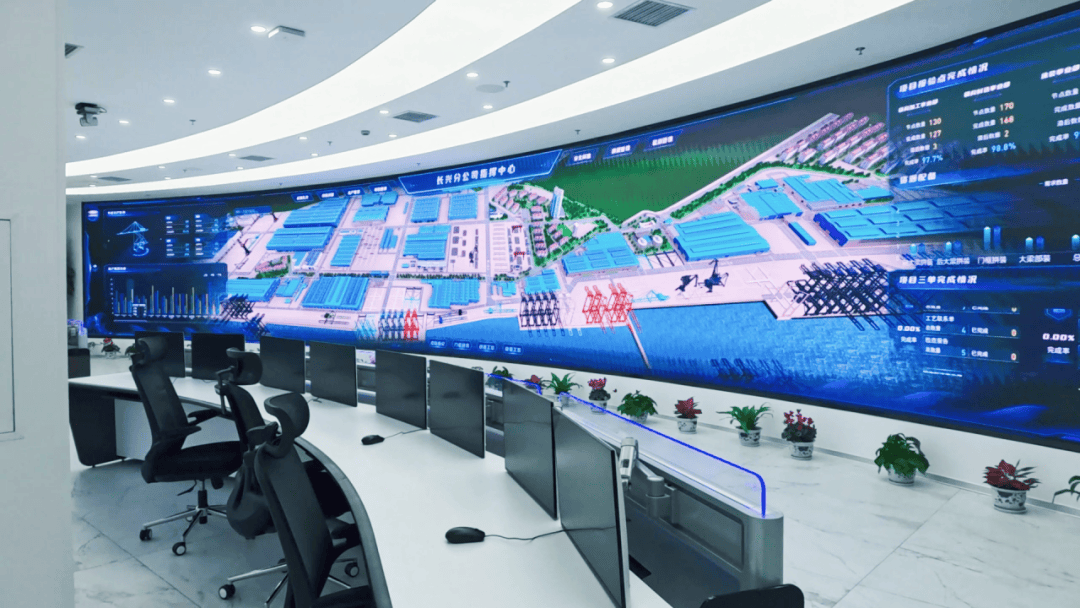
In addition to confined space-specific management, the branch has also built a comprehensive smart security network across the factory. The factory's monitoring center large screen conducts round-the-clock patrols of key production areas, with an AI intelligent recognition system automatically capturing and documenting violations such as failure to wear safety helmets. On the digital twin map, nearly 2,000 point markers correspond to surveillance cameras across the entire site, providing a clear overview of production status. Supporting equipment includes safety helmet-mounted 5G inspection cameras, clipped to the side of helmets, which transmit real-time first-person perspective footage via high-definition lenses, facilitating daily inspection records and remote technical consultations. Currently, 196 inspection cameras have undergone hardware and software upgrades, with an additional 50 new units soon to be put into use.
Safety Director Cai Junquan stated that this control architecture of "front-end transparent monitoring + back-end central coordination" drives the transformation of safety management from passive post-incident rectification to proactive prevention. Going forward, Changxing Branch will continue to iteratively upgrade the smart safety platform, break down data silos among subsystems, deepen data integration, and steadily achieve the goal of "viewing the entire domain on one screen, managing safety through one network," building a safety barrier for large heavy equipment production through digital means.
Related Products


Pneumatic high-pressure wear-resistant ball valve
Zhejiang Deca Control Valve Meter Co., Ltd.

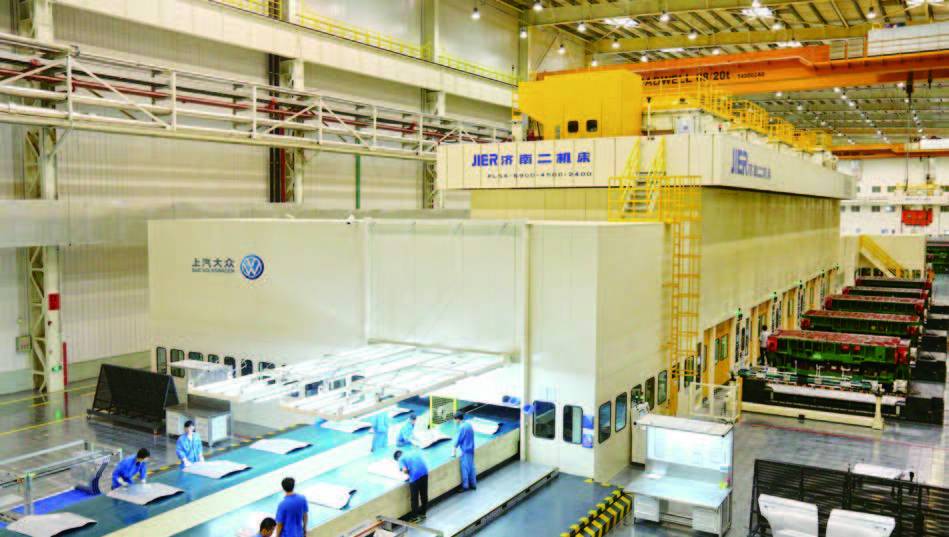
High-Speed Flexible Fully Automatic Stamping Production Line
JIER Machine-Tool Group Co., Ltd.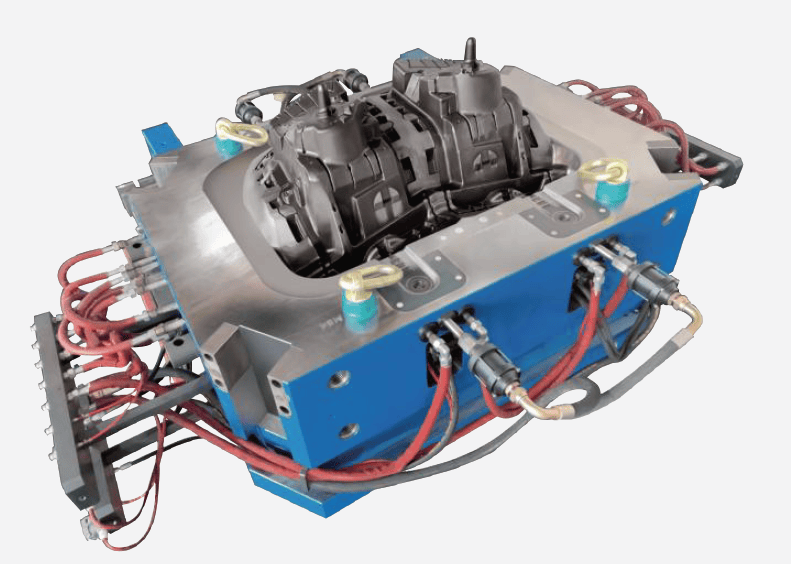
Aluminum-Magnesium Alloy High-Pressure Die-Casting Molds
NINGBO HELI TECHNOLOGY CO., LTD.
Industrial and Commercial Point-Type Gas Detector
Jinan Benan Technology Development Co., Ltd.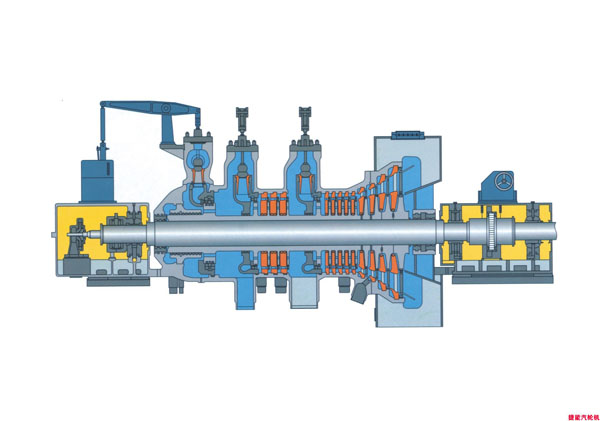
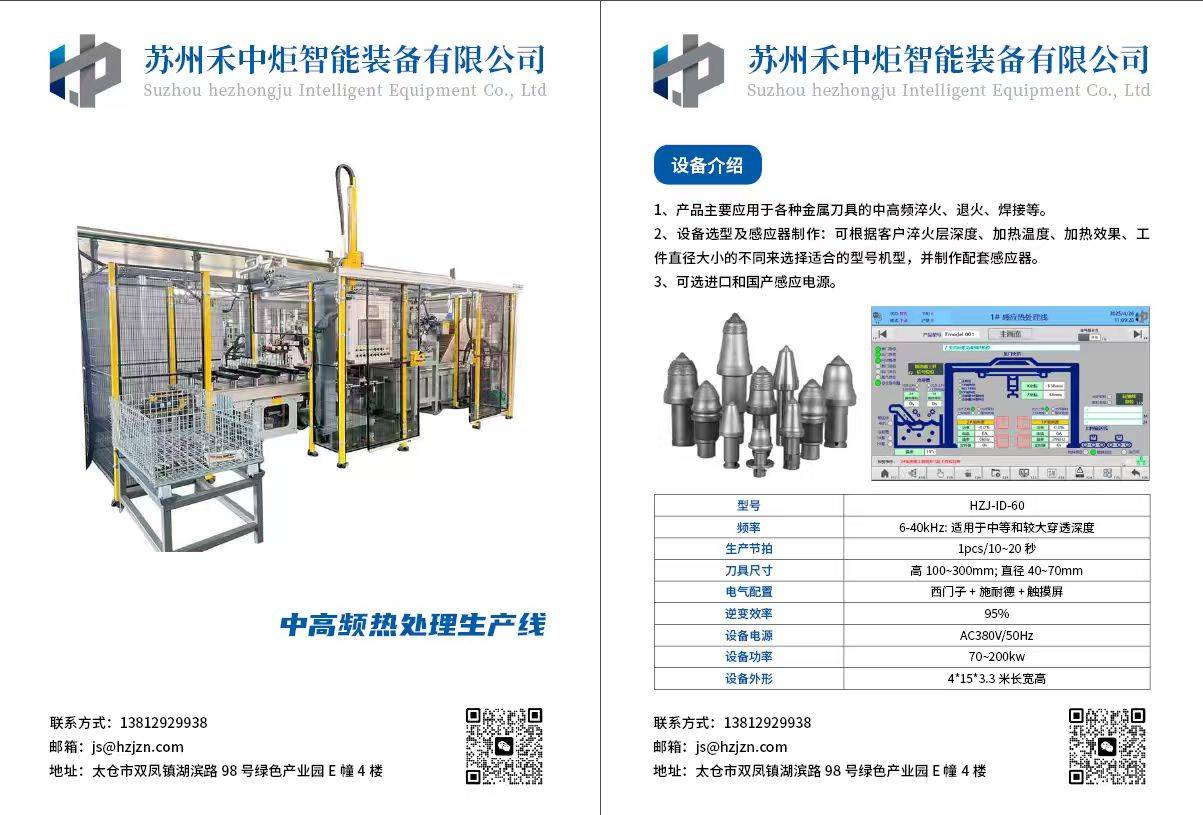
Excavator Bucket Teeth Heat Treatment Production Line
Suzhou Hezhongju Intelligent Equipment Co., Ltd.
QLZNGJ Intelligent Steel Reinforcement Trolley
Luoyang China Railway Qiangli Machinery Co., Ltd.