Integrated Equipment Defines Continuous Production Capability in Steel Plants
en.Wedoany.com Reported - Metallurgical Complete Equipment plays a system-level role in integrated steel plants. In a blast furnace and basic oxygen furnace route, production is not determined by a single machine. It depends on the coordination of sintering, pelletizing, coking, ironmaking, steelmaking, refining, continuous casting, rolling, heat treatment, environmental control and utility systems.
The long-process steel route is characterized by multiple production stages, high temperature, large material flows and strong continuity requirements. Raw material systems must supply iron ore, coke, fluxes, scrap and alloys steadily. Blast furnace systems must coordinate charging, hot blast, coal injection, gas recovery and top pressure control. Converter steelmaking must match hot metal pretreatment, scrap charging, oxygen lance control, ladle refining and casting rhythm.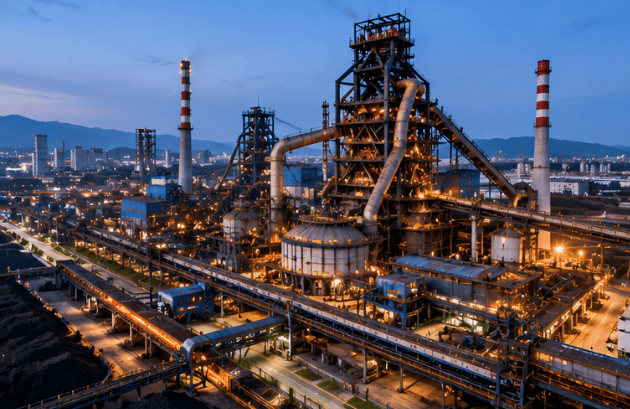
The value of complete metallurgical equipment lies in building stable and controllable links among these stages. A bottleneck in any process can affect plant rhythm, energy efficiency and product quality. In modern steel plants, simply increasing equipment size is no longer enough. Blast furnace volume, converter capacity, casting speed and rolling capacity must match raw material conditions, product structure, energy supply and environmental requirements.
If front-end capacity is high but casting or rolling capacity is insufficient, logistics congestion and lower hot-charging efficiency may occur. If environmental systems are under-designed, the main process may be unable to release its full capacity. This is why complete metallurgical equipment requires strong engineering integration.
Sintering machines, dust removal systems, waste heat boilers, gas holders, continuous casters, reheating furnaces, rolling mills, hydraulic systems, automation control and energy management platforms must be coordinated during design. A supplier that only provides a main machine without process balancing, material flow planning, automation configuration and site commissioning support may struggle to meet the needs of large steel projects.
In the future, integrated steel plants will continue to face pressure for energy saving, carbon reduction, ultra-low emissions and product upgrading. Complete metallurgical equipment will move from meeting capacity requirements to improving efficiency, reducing energy use, stabilizing quality and lowering emissions. Suppliers with full-process design, main equipment manufacturing, environmental integration, automation and long-term operation service will create higher value for steel plant upgrades and new projects.
Related Products


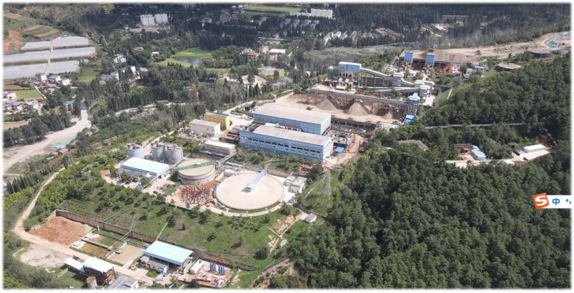
Yunnan Phosphorus Chemical Group Co., Ltd. 2 Million t/a Phosphorus Ore Mining and Beneficiation Project
China Bluestar Lehigh Engineering Corporation

Mine Explosion-proof and Intrinsically Safe Industrial Ethernet Ring Network (10 Gigabit/Gigabit)
Chongqing Mas Sci&Tech Co., Ltd.
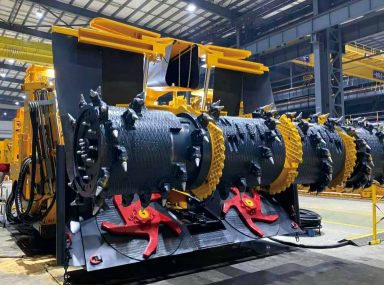
Integrated Excavation and Anchoring Machine (EJM Series)
China Railway Construction Heavy Industry Corporation Limited