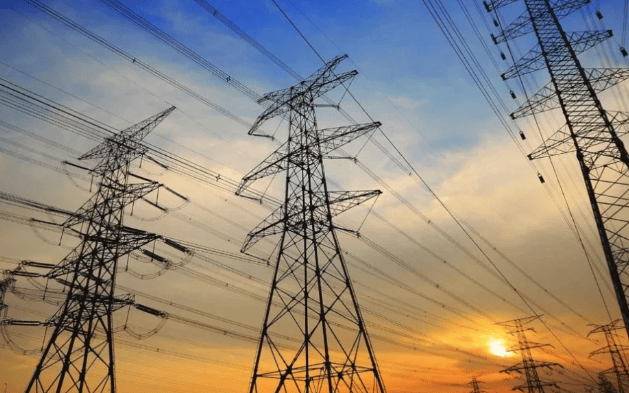
Grid Expansion Is Making Power Line Fittings Essential to Transmission Reliability
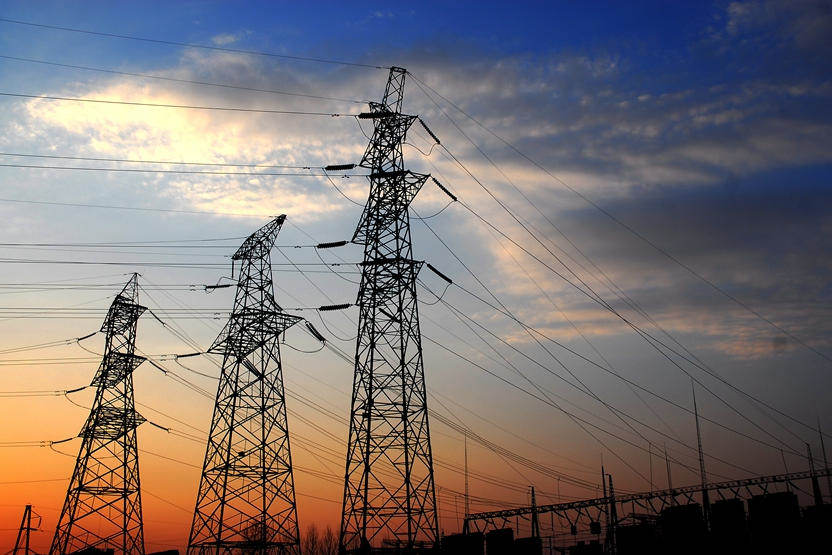
en.Wedoany.com Reported - As grid expansion, renewable energy transmission, urban distribution upgrades and cross-regional power projects continue, Power Line Fittings are becoming increasingly important in overhead transmission and distribution systems. Although they may appear to be small connection and support components, they directly affect whether conductors, insulators, towers, ground wires and optical cables can operate safely over many years.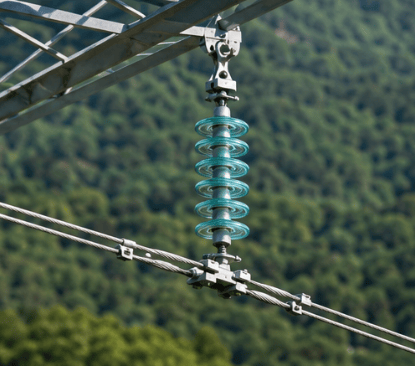
Power line fittings include suspension clamps, tension clamps, splice fittings, connection fittings, protective fittings, guy fittings, spacers, grading rings, vibration dampers, terminal clamps, U-links, ball-eye fittings, socket-clevis fittings and yoke plates. Each product has a specific function. Some carry conductor tension. Some connect insulator strings. Some reduce vibration damage. Some control electric field distribution. Others provide reliable electrical connection between conductors and equipment.
In transmission lines, fittings must withstand wind load, ice load, temperature variation, conductor galloping, mechanical vibration, short-circuit forces and environmental corrosion. If a critical fitting becomes loose, cracked, worn, overheated or corroded, the result may be line tripping, conductor damage or a safety incident.
For this reason, power line fittings should not be treated as low-value accessories. They are an important part of line reliability design. Selection must match voltage level, conductor type, tower structure, insulator configuration, weather conditions and operating environment.
High-voltage, extra-high-voltage and ultra-high-voltage lines require stronger mechanical strength, better corona control, fatigue resistance and electrical performance. Distribution lines often focus more on installation efficiency, interchangeability, corrosion resistance and maintenance convenience. A fitting design that works in one application may not be suitable for another.
In the future, power line fittings will continue to develop toward higher strength, lighter weight, stronger corrosion resistance, lower losses and lower maintenance. For utilities, EPC contractors and line equipment suppliers, high-quality fittings are not only procurement items. They are basic components for improving line safety, reducing operation failures and increasing life-cycle value.
Related Products

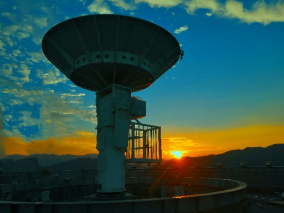
714CD Series C-Band Weather Radar
Chengdu Zhongdian Jinjiang Information Industry Co., Ltd.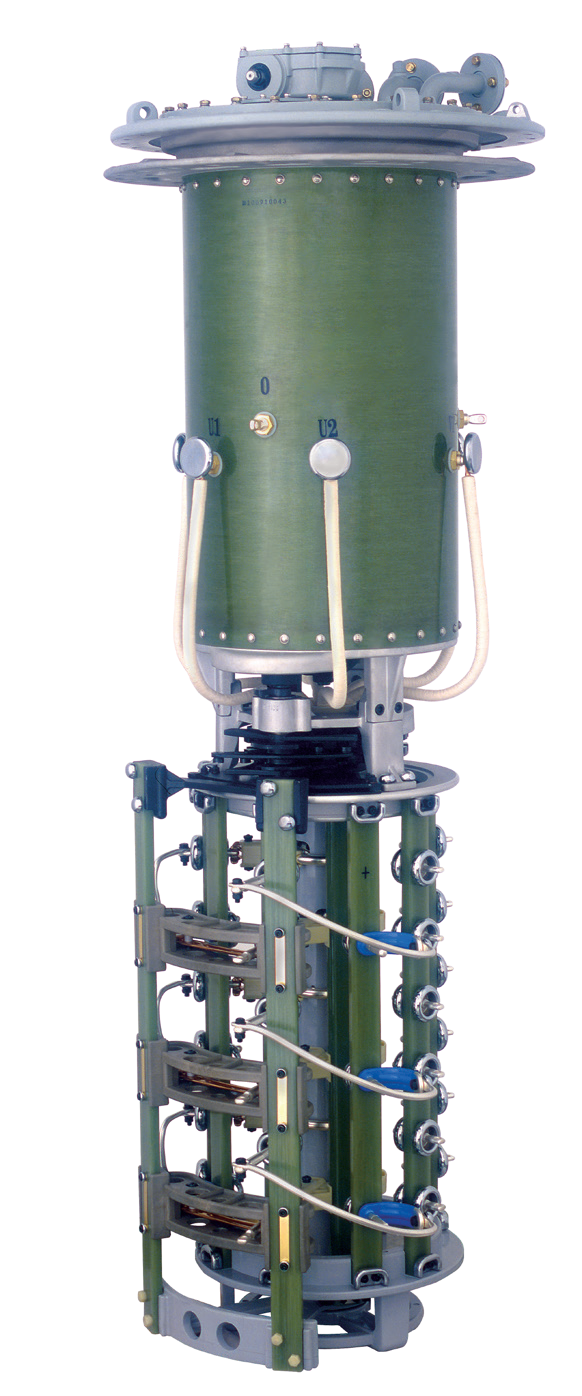
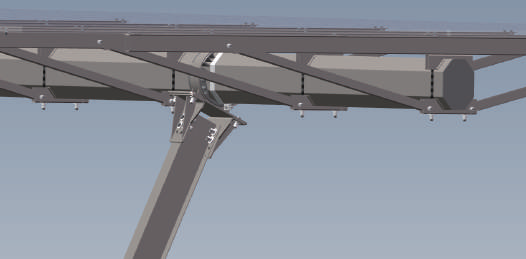
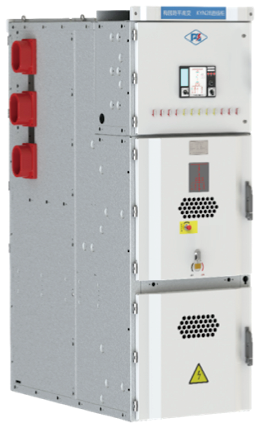
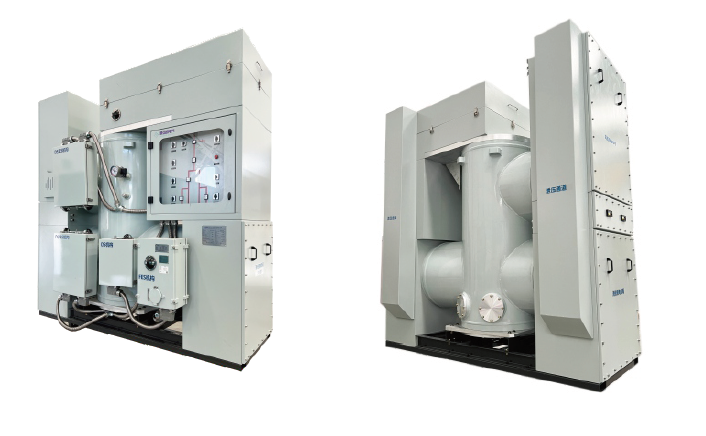
72.5kV 1250A 31.5kA SF6 free Gas-insulated Metal-enclosed Switchgear
Zhejiang Juhonkia Intelligent Electric Co., Ltd.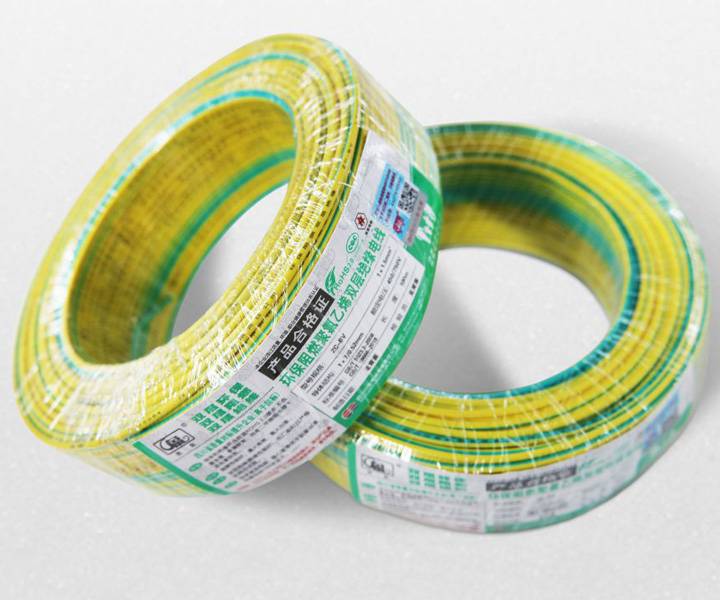
Environmentally Friendly Flame-retardant PVC Double-layer Insulated Wire
Sichuan Chndo Cable Co., Ltd.