Overseas Reuse Projects Require Water Quality Matching and Long-Term Operation
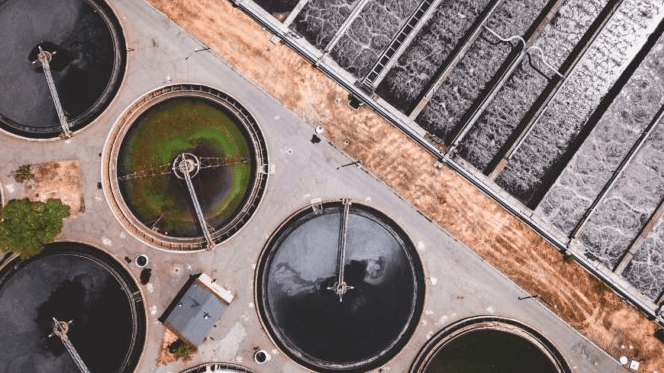
en.Wedoany.com Reported - Rising water stress, urbanization, industrial expansion and wastewater treatment demand are making Reclaimed Water Reuse an important overseas opportunity for water treatment companies. In many water-scarce regions, reclaimed water is not only a by-product of wastewater treatment. It is a strategic water source that can reduce supply pressure, support industrial development and improve urban resilience.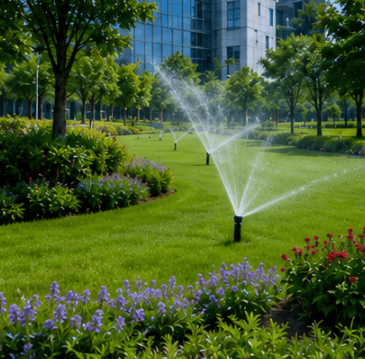
Reuse projects now cover municipal non-potable supply, industrial parks, agricultural irrigation, landscape replenishment and groundwater recharge. Market demand differs by region. The Middle East and North Africa face strong water scarcity and high desalination costs, creating demand for municipal reclaimed water, industrial reuse and landscape irrigation. Parts of Southeast Asia, South Asia and Africa are still building basic urban wastewater infrastructure, so customers may focus on low cost, simple operation and fast construction.
Mature markets such as Europe, North America, Australia and Singapore place more emphasis on high water quality, risk management, public acceptance, smart operation and regulatory compliance. The first barrier in overseas reuse projects is water quality matching. Different uses require different treatment targets. Agricultural irrigation requires attention to salinity, pathogens and soil impact. Industrial cooling needs control of scaling, corrosion and microorganisms. Municipal non-potable use requires odor, turbidity and sanitary safety control. Groundwater recharge and indirect potable reuse require more advanced treatment and risk management.
A fixed process package cannot fit every country, source water and end use. The second barrier is long-term operation. After construction, stable water quality, pipeline maintenance, user management, monitoring data, chemical use, energy consumption and equipment maintenance determine whether the project is sustainable.
Overseas projects also require operator training, local spare parts, remote diagnosis, multilingual documentation and communication with regulators. Without operation support, a completed project may still face low utilization or unstable water quality.
In the future, international reclaimed water reuse business will move from exporting advanced treatment equipment to delivering water circularity solutions. Companies with water analysis, process design, membrane treatment, disinfection, safety assessment, pipeline planning, smart operation and localized service will be better positioned in overseas urban, industrial park and water-scarce projects.
Related Products

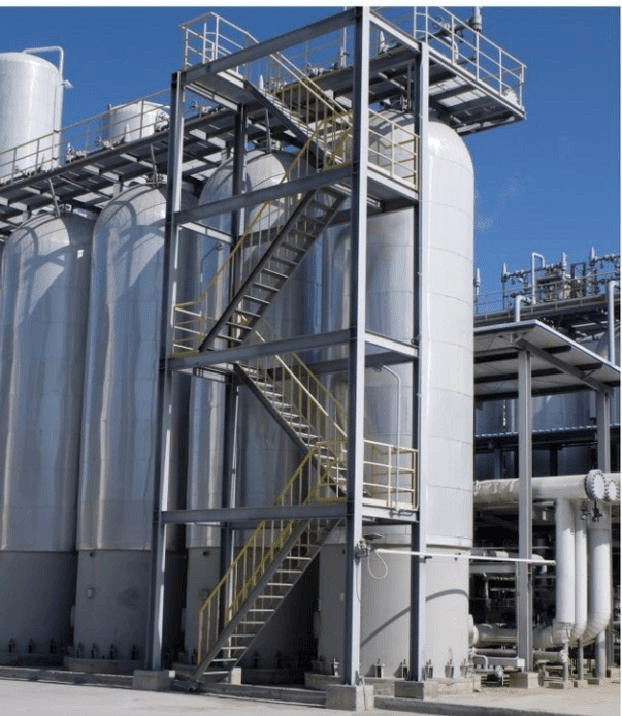
Hydrogen Production Technology: Hydrogen Purification by Pressure Swing Adsorption
Chengdu Yizhi Technology Co., Ltd.
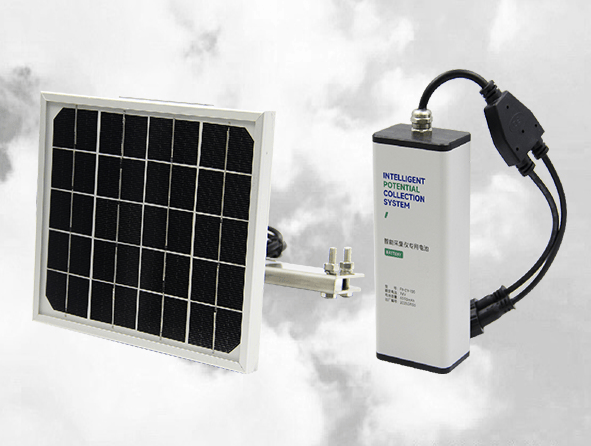
Inductive Power Harvesting Self-Powered Device - Safuneng
SELF ENERGY TECHNOLOGY (SHENZHEN) CO., LTD.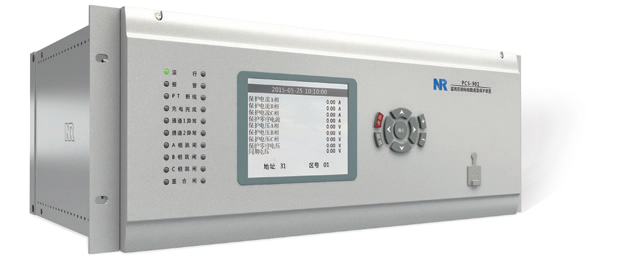
PCS-901 Series Ultra (Extra) High-voltage Transmission Line Complete Protection Device
Nanjing NR Electric Co., Ltd.