Distributed Reclaimed Water Systems Are Expanding in Parks and Buildings
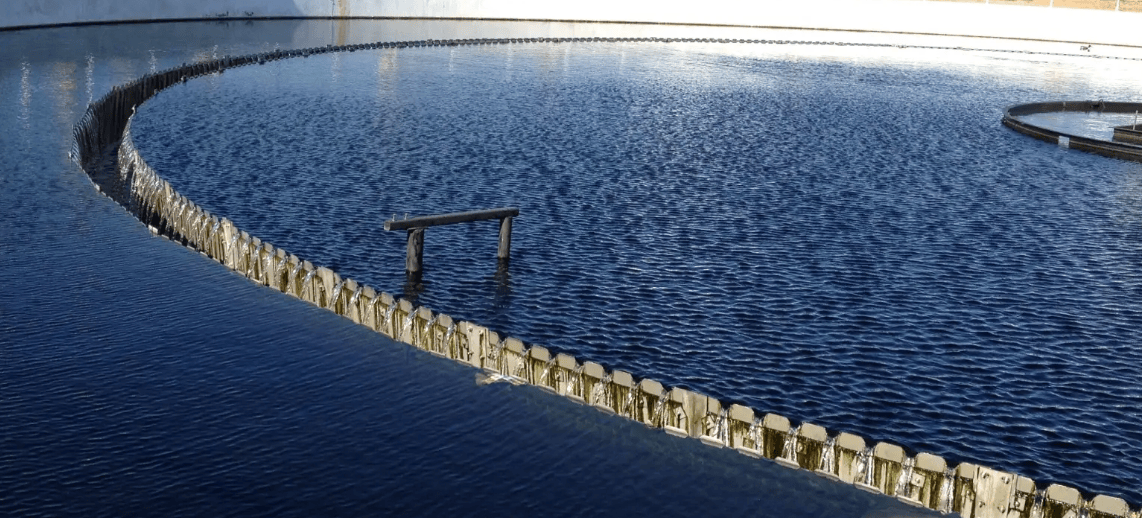
en.Wedoany.com Reported - Reclaimed Water Reuse is expanding from large municipal wastewater plants to distributed applications in industrial parks, commercial complexes, schools, hospitals, communities, airports, hotels and public buildings. Compared with city-scale reuse networks, distributed systems are closer to the point of demand. They can treat domestic wastewater, greywater, condensate, rainwater and some low-pollution wastewater locally, then reuse it for toilet flushing, landscaping, road cleaning, landscape water and equipment cooling.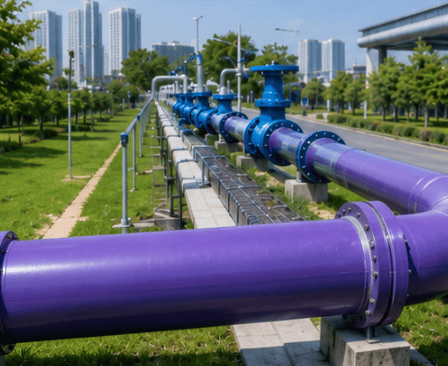
The advantage of park and building reuse is that both water sources and users are relatively concentrated. Large commercial complexes, schools and hospitals generate stable domestic wastewater and also need water for flushing, landscaping and cleaning. Industrial parks may have wastewater plants, green areas, roads, cooling systems and low-grade process water demand.
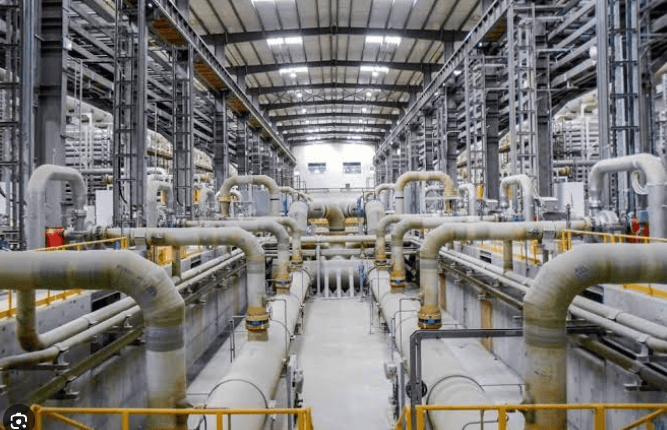
With proper design, these projects can form small water cycles or regional water loops, reducing pressure on external water supply. A distributed reuse system usually includes pretreatment, biological treatment, membrane treatment, disinfection, storage, reuse pumps and intelligent control.
For building and park projects, footprint, noise, odor, operation, maintenance and safety marking are especially important. If the system produces odor, requires complex maintenance or has unstable effluent quality, user acceptance can decline. Equipment integration, automation and maintenance service may be more important than nominal treatment capacity.
Different sites require different water quality and management approaches. Hospitals, schools and commercial complexes are high-occupancy spaces, so stable disinfection and clear non-potable water marking are critical. Hotels and high-end communities pay more attention to odor, color and landscape experience. Industrial parks focus more on water volume stability, pipeline pressure and connection with tenant water systems.
In the future, distributed reclaimed water reuse will connect more closely with smart water management, sponge city development and green building evaluation. Online water quality monitoring, remote operation, automatic dosing, energy management and water-use statistics can help operators manage reuse systems more precisely. For engineering companies, the opportunity is not only equipment sales. It is the delivery of integrated, low-maintenance and sustainable water cycle solutions for parks and buildings.
Related Products

Standard Nozzle Flowmeter
Jinggong Automatic Control Instrument Complete Technology Development Company

Hydraulic Turbine Genset
Dongfang Electric Corporation Dongfang Electric Machinery Co., Ltd.
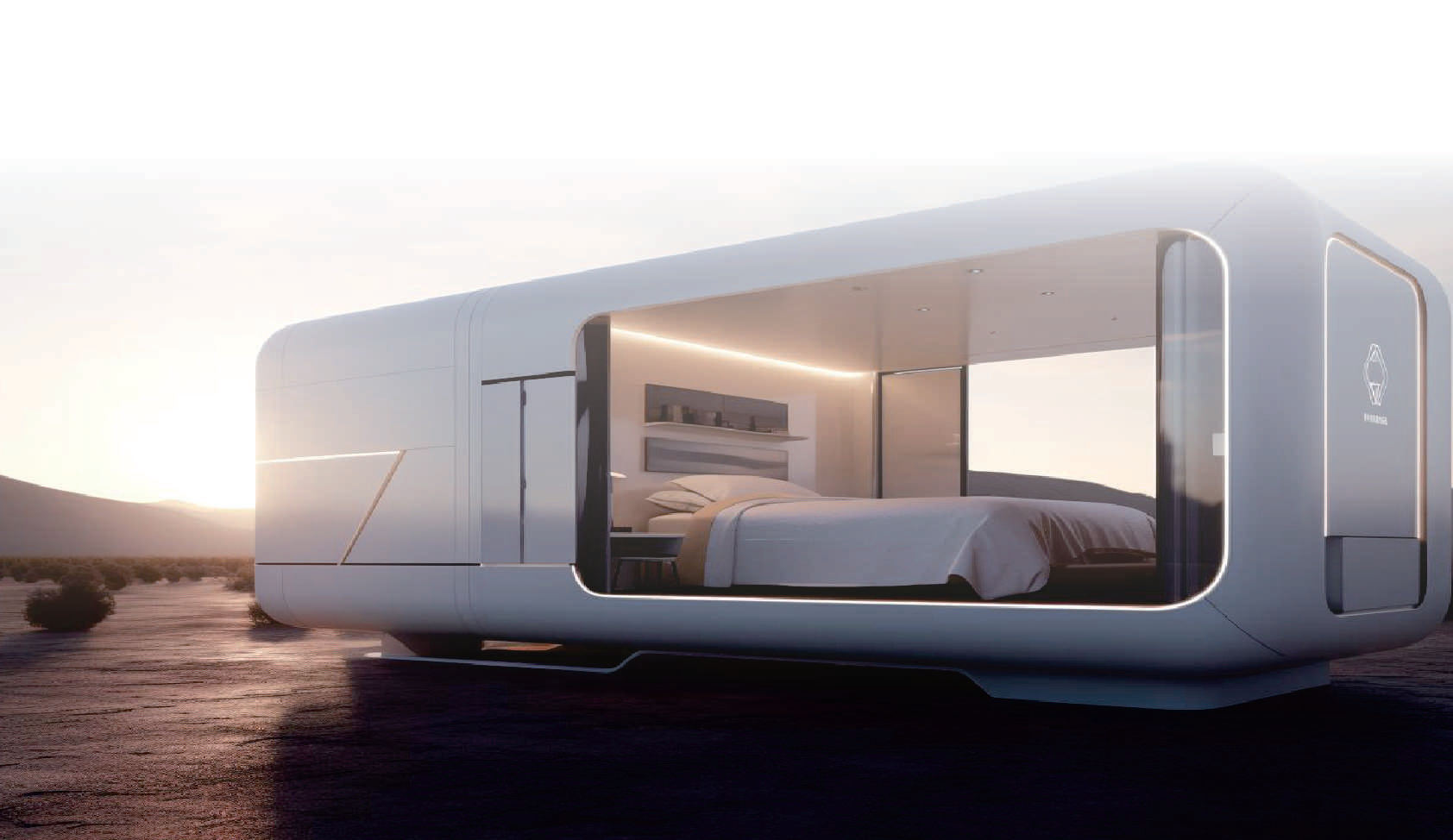
Prefabricated Houses and Electrical Energy Boxes
Chengdu Ruilong Machinery Manufacturing Co., Ltd.
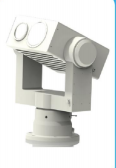
Forest and Grassland Heat Source Infrared Monitor
China Huayun Meteorological Technology Group Co., Ltd.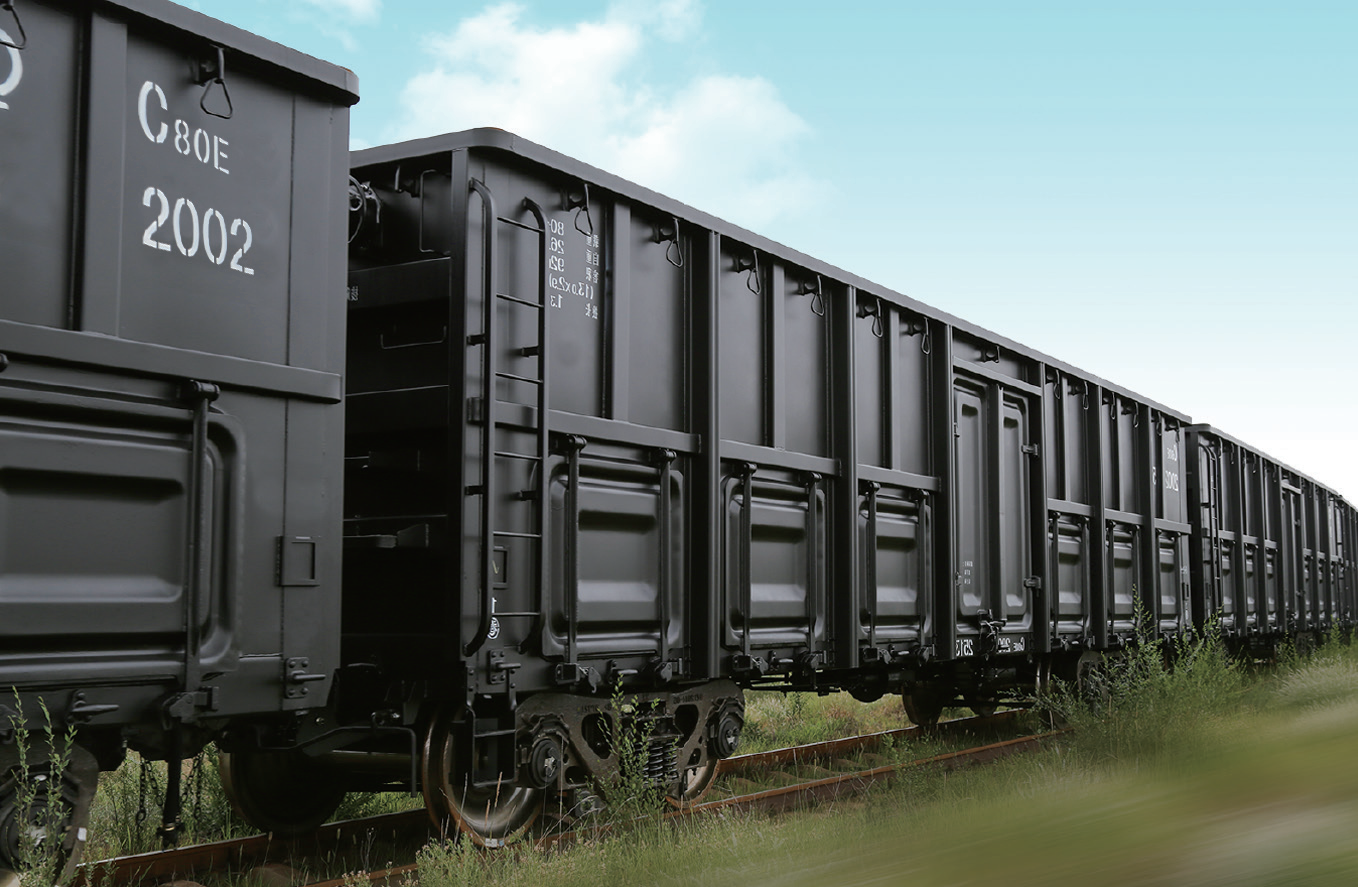
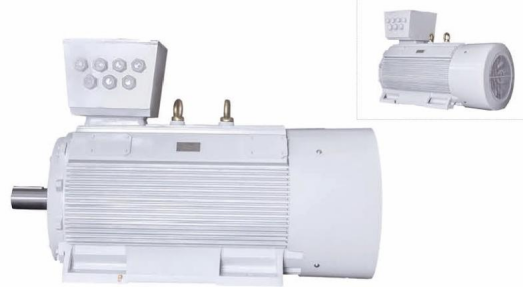
YE3 Series Low Voltage High Power Three-Phase Asynchronous Motor
Shandong Lijiu Electrical Machinery Co., Ltd.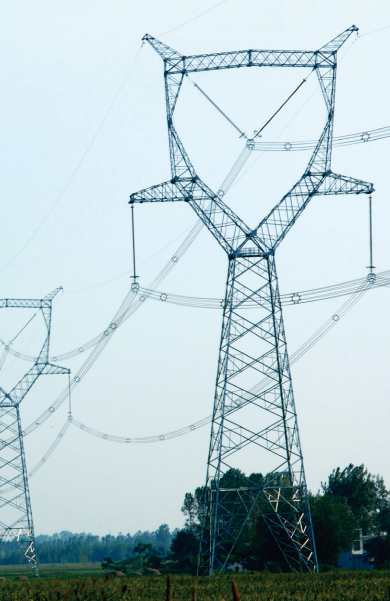
1000kV Jin Southeast-Nanyang-Jingmen UHV AC Transmission and Transformation Pilot Demonstration Project
Anhui Hongyuan Steel Tower Co., Ltd.