Industrial Water Reuse Is Becoming a Cost-Control and Supply-Resilience Tool
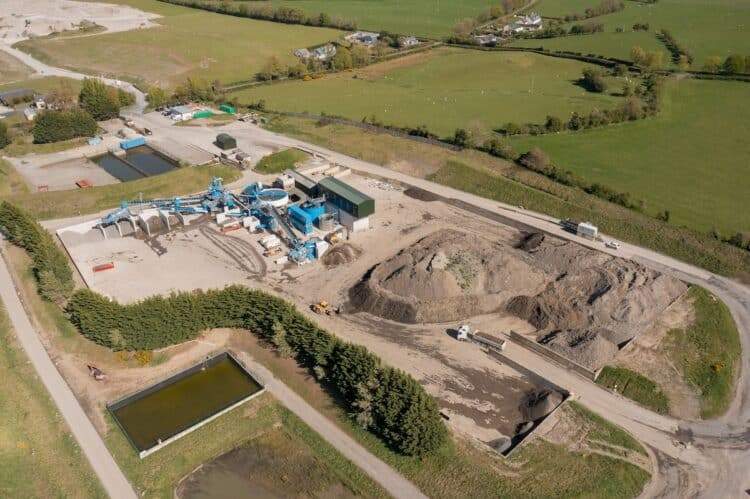
en.Wedoany.com Reported - In power generation, petrochemicals, steel, data centers, paper, textile dyeing, chemical parks and electronics manufacturing, water has become an important factor in production cost and project sustainability. Many industrial users consume large volumes of water and require stable supply. When local water resources become constrained, withdrawal permits tighten or water prices rise, production planning and expansion can be affected.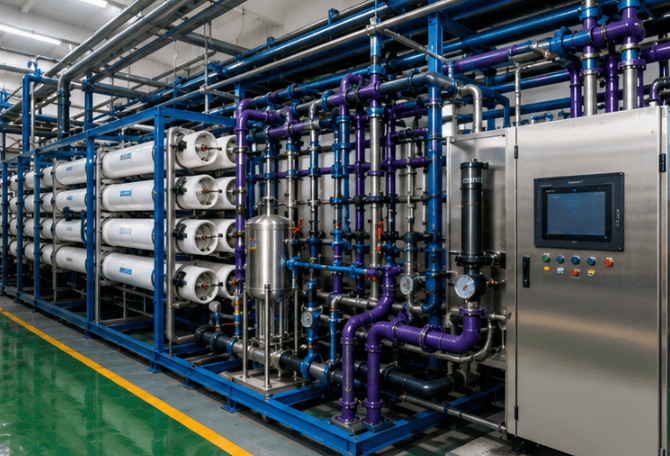
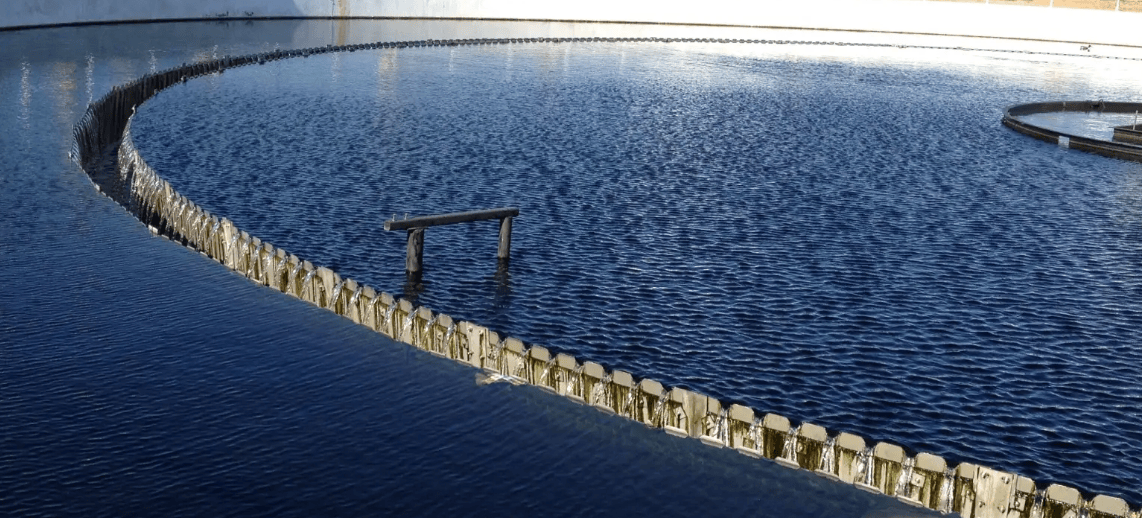
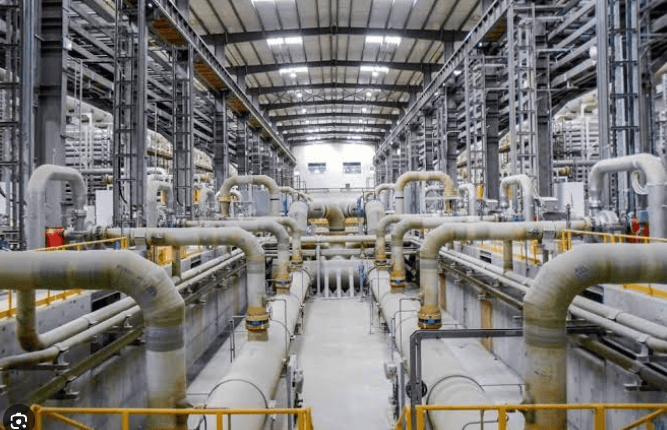
This is why Reclaimed Water Reuse is becoming an important option for reducing freshwater intake and improving industrial water resilience. Common applications include cooling tower makeup, boiler feedwater pretreatment, process washing, site cleaning, landscaping, desulfurization water, wet dust control, fire reserve and some low-grade process uses.
Different industrial applications require different water quality. Cooling systems focus on hardness, chloride, sulfate, total dissolved solids, microorganisms, corrosion and scaling. Boiler makeup usually requires higher treatment, including softening, demineralization or membrane processes. Washing and landscaping focus more on turbidity, odor and sanitary safety.
The economic value of industrial reuse is not limited to water bill savings. It can also reduce wastewater discharge cost, lower pressure on freshwater permits, improve compliance and support a company’s sustainability profile. In industrial parks, treated wastewater can be polished centrally and supplied back to tenant factories. This creates a circular system linking wastewater treatment, reclaimed water supply and industrial reuse.
However, industrial reuse projects must pay close attention to water quality fluctuation and equipment compatibility. Residual salts, organic matter, ammonia, phosphorus, microorganisms and chemical residues in reclaimed water may affect cooling towers, heat exchangers, pipes, valves and membrane systems. Without suitable pretreatment, users may face scaling, corrosion, biofouling, odor or membrane fouling.
Future industrial reclaimed water reuse will be more closely connected with zero liquid discharge, circulating water systems, intelligent dosing, online monitoring and energy management. Companies should not treat reuse as only an environmental project. It should be part of water cost control, production stability and ESG management. Suppliers with water diagnosis, advanced treatment, membrane systems, dosing control and long-term operation capability will have more opportunities in industrial water-saving projects.
Related Products

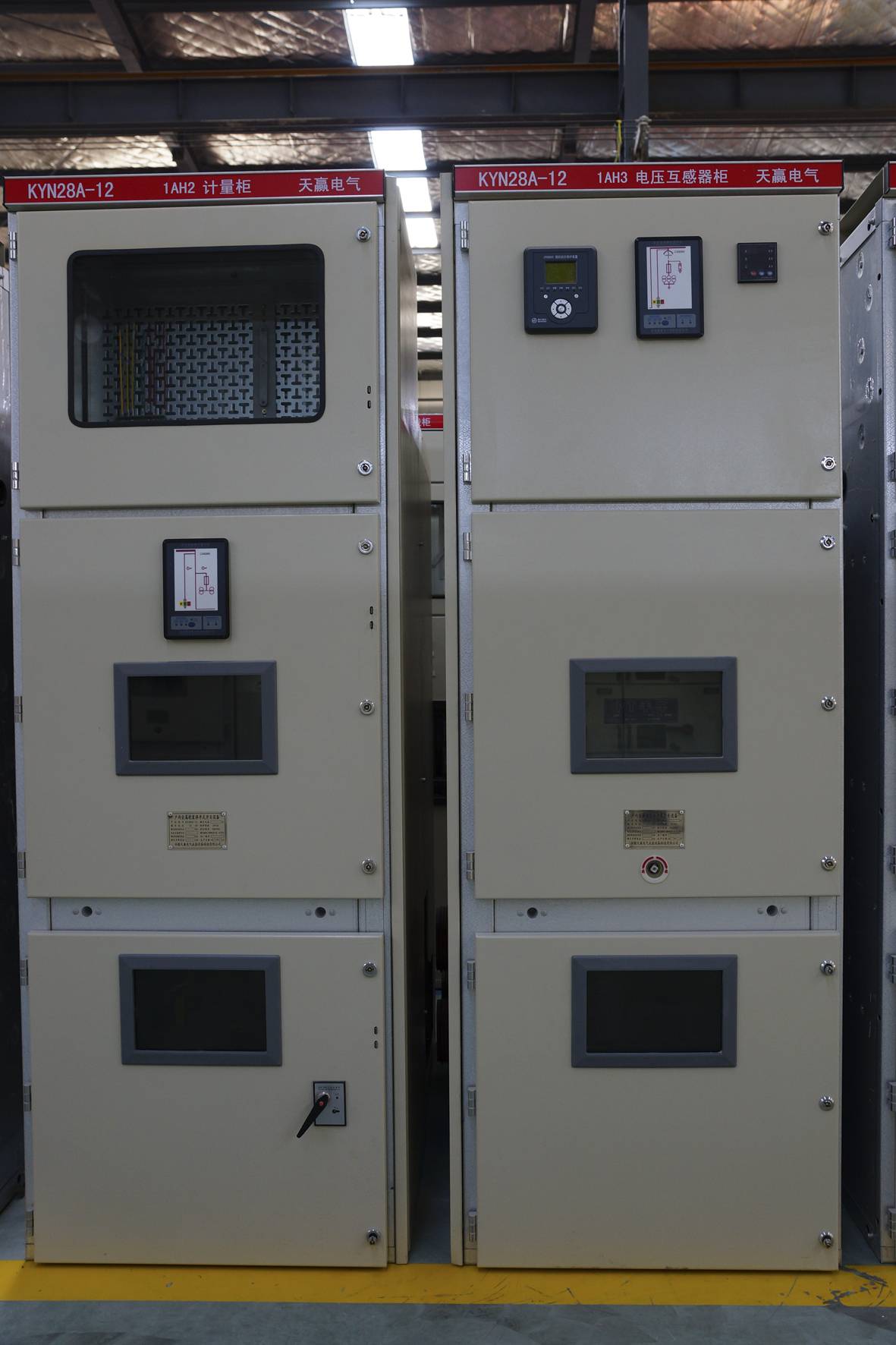
KYN28 - High Voltage Switchgear
Anhui Tianying Electrical Equipment Manufacturing Co., Ltd.
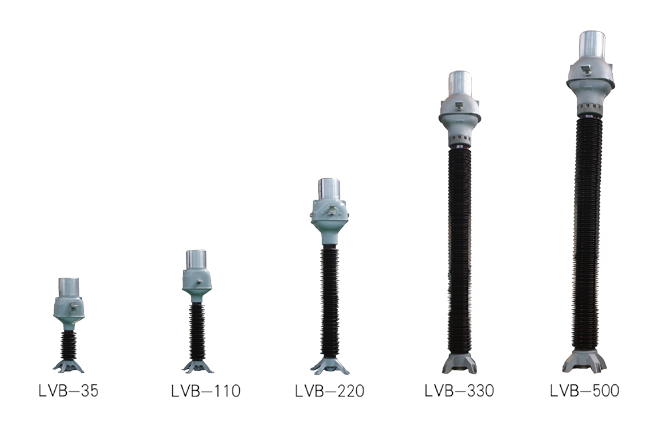
LVB Series 35-500kV Oil-immersed Inverted Current Transformer
Shandong TaiKai Instrument Transformer Co., Ltd.
Pneumatic high-pressure wear-resistant ball valve
Zhejiang Deca Control Valve Meter Co., Ltd.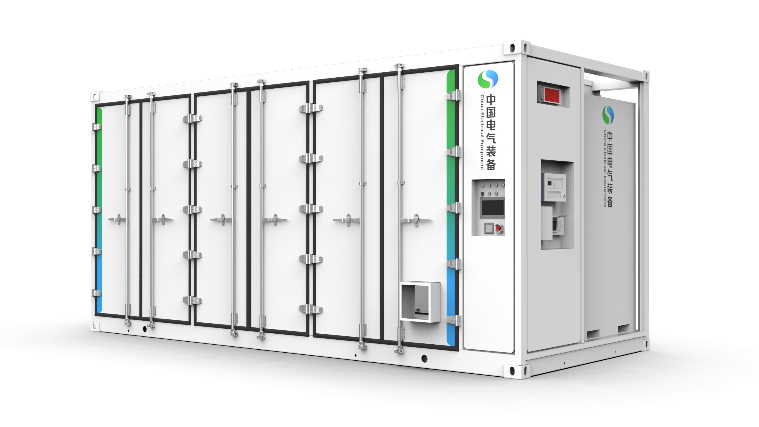
MESS8201-2507/5015-BN Prefabricated Liquid-cooled Energy Storage Battery Container
Xuchang Xuji Electric Science Energy Storage Technology Co., Ltd.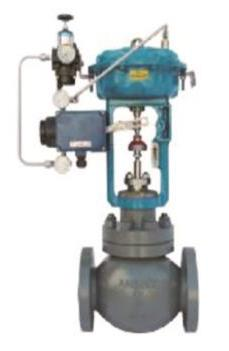
Quick-Change Single-Seat Control Valve / Quick-Change High-Pressure Single-Seat Control Valve
Beijing Consen Automation Technology Co., Ltd.
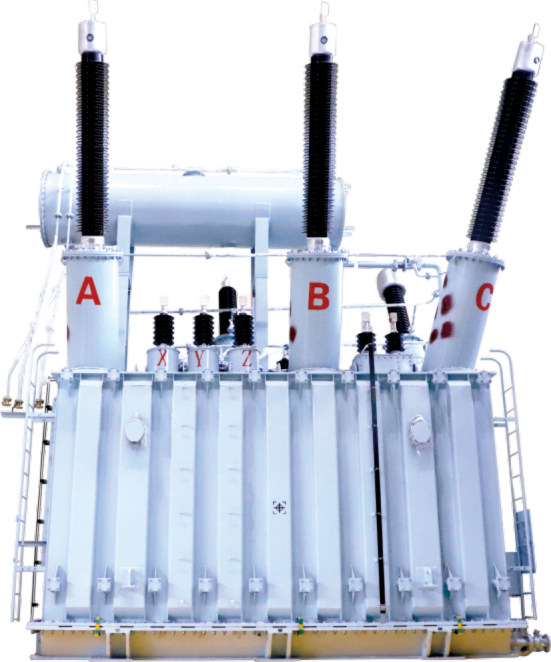
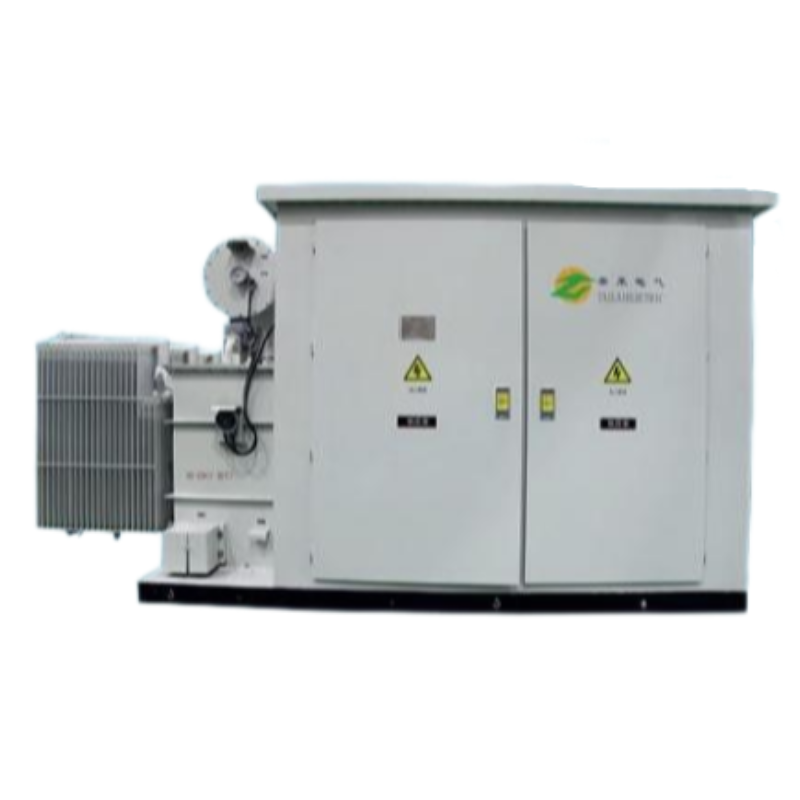
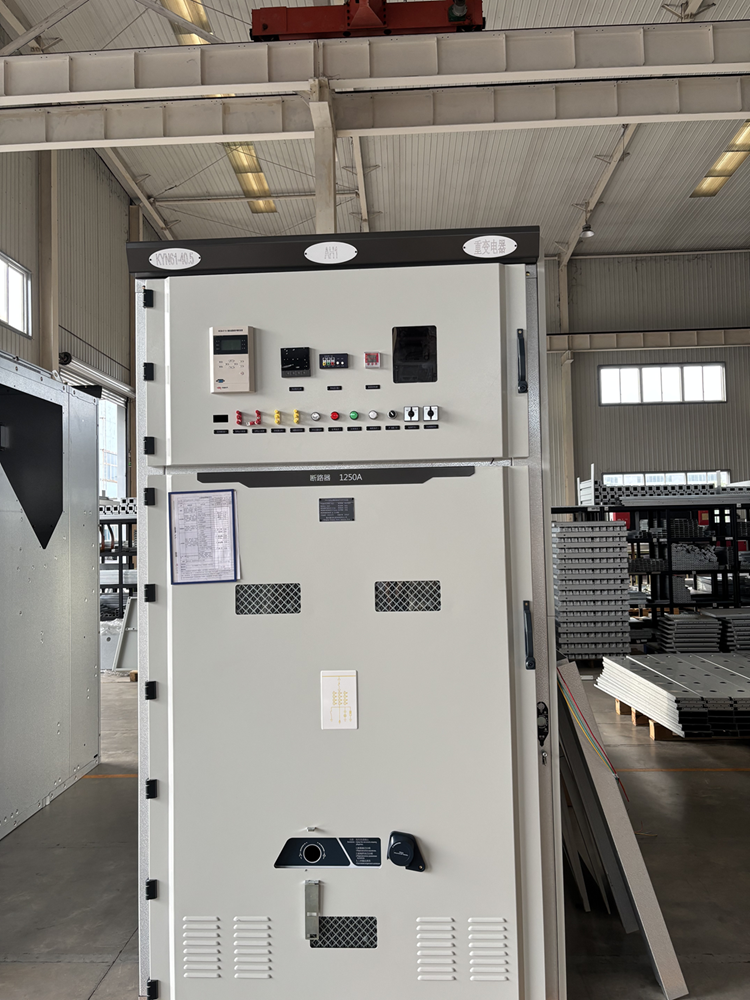
KYN61-40.5 Indoor AC Metal-clad Removable Switchgear
Chongqing Transformer Co., Ltd.