Russian Amur Gas Chemical Complex Pilots HDPE Production in Simulation
en.Wedoany.com Reported - The Russian Amur Gas Chemical Complex has pre-simulated the high-density polyethylene production process through its technology pilot center, gaining operational experience ahead of commissioning and thereby reducing the time required to reach design targets. The complex's high-density polyethylene (HDPE) will be produced using SIBUR's new suspension technology, with the production line already simulated at SIBUR's technology pilot center in Tobolsk. The center's infrastructure can reproduce the process with high precision, validate engineering solutions in advance, and rehearse operational scenarios for future production.
"In international practice, optimizing operating modes and bringing units to design capacity can take from several months to two years. The technology pilot center allows us to practically foresee the future: before the industrial unit is launched, we have already reproduced the future process, determined the optimal catalyst usage modes, anticipated potential deviations, and gained hands-on operational experience that is typically accumulated only after production begins," said Ildar Salakhov, Executive Director of SIBUR's Technology Pilot Center and Doctor of Chemistry. He noted that the center enables the team to complete most of the work in advance, allowing the Amur Gas Chemical Complex to be launched with a higher level of readiness. The next phase will take place directly at the site, with experts from the technology pilot center participating in startup operations, catalyst testing, and continued testing of catalysts developed by SIBUR scientists.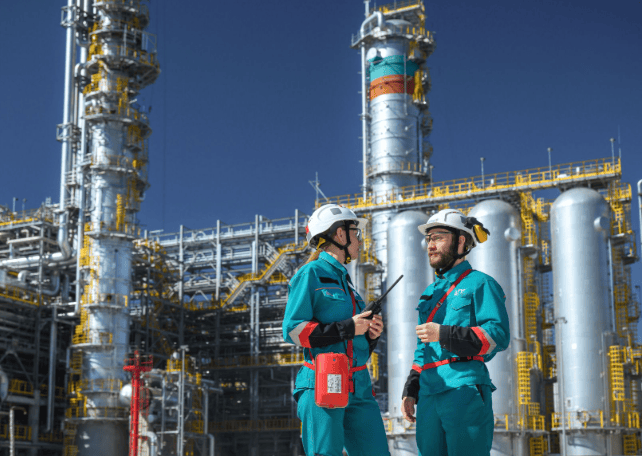
During testing, experts reproduced the future production process in a loop reactor and determined the optimal operating modes for two catalyst systems. The tests produced over 1.5 tons of five grades of polyethylene, used in packaging, construction, and the manufacturing of pipes for residential and public utility infrastructure. The obtained samples have been sent to SIBUR's Applied Research Center "SIBUR PolyLab" to evaluate processing characteristics, confirm the physical and mechanical properties of the materials, and verify their compliance with target market requirements.
Sergey Sergeyev, General Director of the Amur Gas Chemical Complex, stated that testing at the technology pilot center is not only a crucial stage in production preparation but also part of training for the future operations team. Before obtaining the first products, experts were able to rehearse startup sequences, equipment operation specifics, and the functioning of the automated process control system in detail, equipping the team with practical experience in new technology before industrial startup, thereby accelerating the ramp-up to design capacity.
The practice of pre-rehearsing startup modes on pilot units is becoming an important component of SIBUR's scientific and technological model when implementing major investment projects. This approach allows for the validation of technical solutions, personnel training, and ensuring the most predictable commissioning of new capacities before industrial production begins. A similar approach was applied in the preparation for the startup of the DGP-2 complex at ZapSibNeftekhim.
The Tobolsk Technology Pilot Center, launched at the end of 2024, integrates 12 polyethylene and polypropylene production technologies, covering most solutions available on the global market. It is Russia's only platform capable of reproducing petrochemical production processes on a semi-industrial scale, used for scaling up new technologies, validating engineering solutions, and testing catalysts.
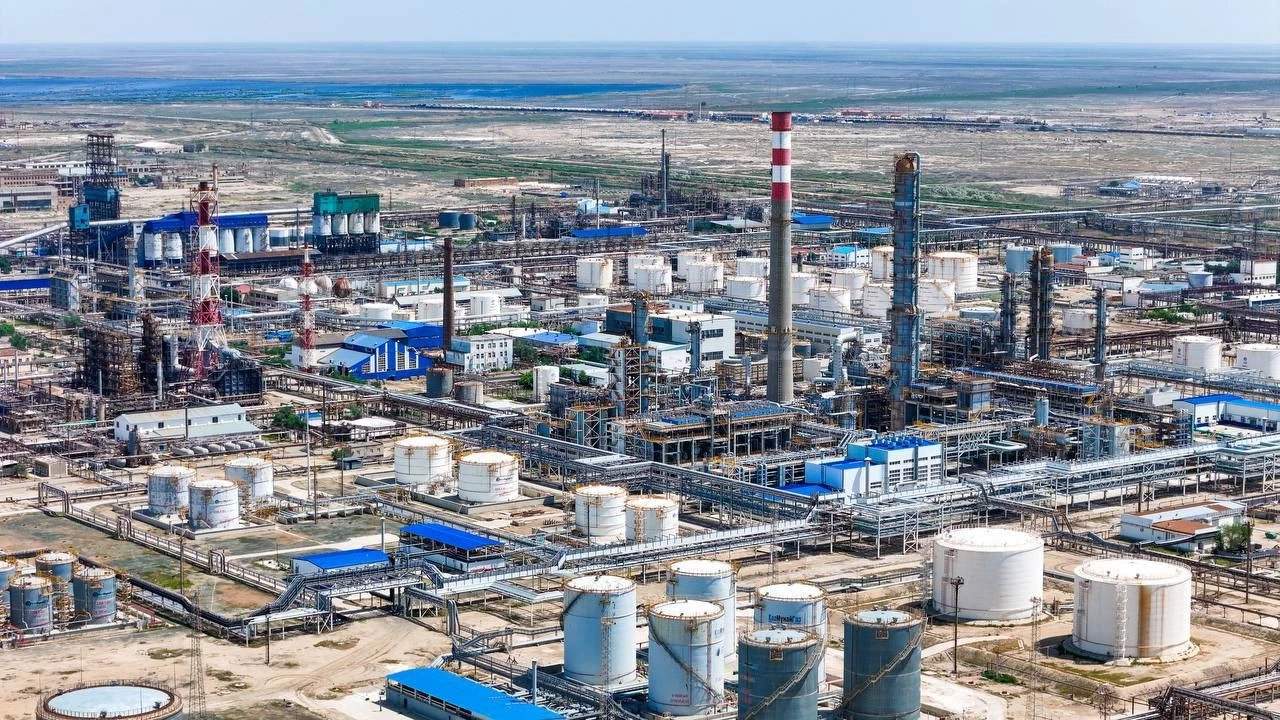
Located in the Svobodny District of the Amur Region, the Amur Gas Chemical Complex is one of the largest investment projects in the global petrochemical industry and the largest gas chemical complex built from scratch in modern Russian history. Its components include a cracking unit with the world's largest ethane processing capacity. The enterprise will deeply process hydrocarbon raw materials into high-tech materials for the Russian and global markets, with an annual production capacity of up to 2.3 million tons of polyethylene and 400,000 tons of polypropylene upon full commissioning, increasing Russia's basic polymer production capacity by over 40%. Currently, the enterprise is in the final stages of commissioning preparation, accompanied by a complete research and development cycle covering technology development, catalyst testing, and modeling of future production operating modes.