Austrian ceramic 3D printing material manufacturer Lithoz sees 40% year-on-year growth in ceramic material revenue in H1
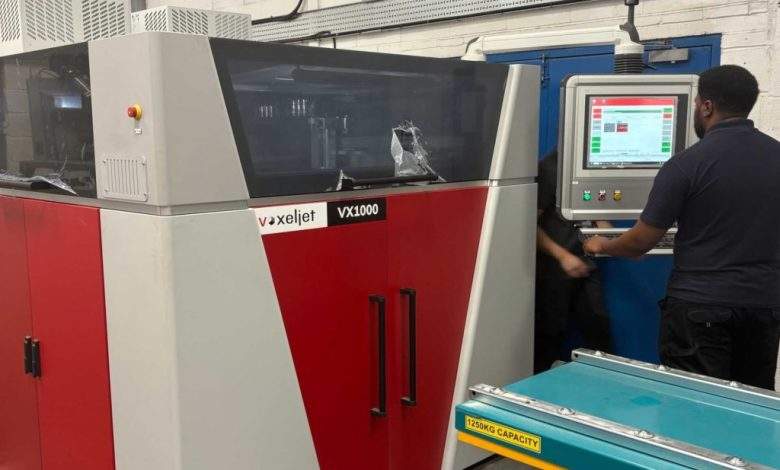
en.Wedoany.com Reported - Austrian ceramic 3D printing material manufacturer Lithoz has released performance data, showing that as of the end of the second quarter of 2026, sales revenue from materials used in its Lithography-based Ceramic Manufacturing (LCM) process increased by 40% compared to the same period last year. This growth rate has prompted the company to raise its full-year performance outlook.
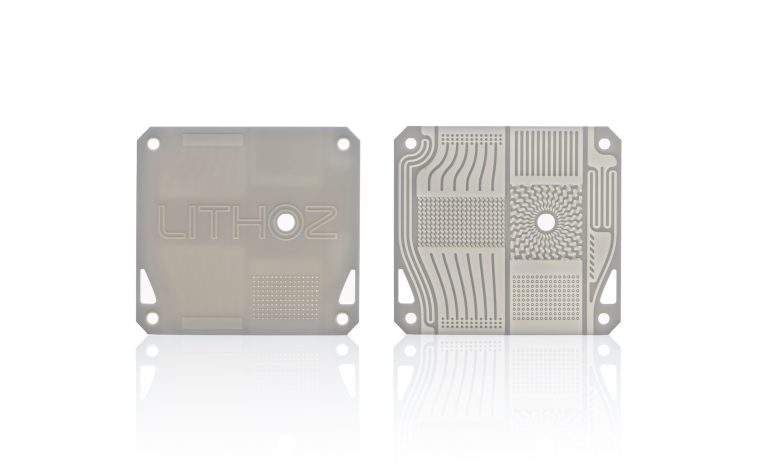
The growth primarily stems from two directions: increased procurement by contract manufacturers operating LCM printing equipment fleets, and the company's continued expansion in the medical technology sector. Lithoz stated that among its globally installed CeraFab System equipment, more than half are operated by printing farm users who account for only one-fifth of total customers. This customer concentration is the core driver of revenue growth. The company refers to its broad customer base, spanning multiple continents and covering both industry and academia, as the "Ceramic 3D Factory" network.
Dr. Johannes Homa, CEO of Lithoz, stated that the company not only continuously improves and revalidates existing materials but also develops a large number of customized materials for customers who are scaling up production. He noted that obtaining the ISO 13485 certification for material production quality management systems was a significant milestone and a gateway to numerous demanding industries, allowing even the most strictly regulated sectors to benefit from this technology.
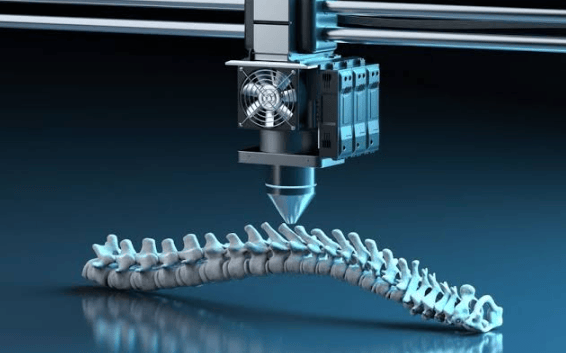
Within Lithoz's portfolio of over 20 ceramic materials, alumina and zirconia continue to account for the largest revenue share. The three materials with the highest demand growth are aluminum nitride, calcium phosphate, and silica-based ceramics. Among these, aluminum nitride is increasingly used in thermal management applications, including semiconductor manufacturing, propulsion systems, and data center cooling; calcium phosphate is used for patient-specific absorbable implants, with demand rising as clinical evidence for LCM-printed ceramic implants gains broader recognition in the medical community; and silica-based ceramics are used for casting cores, with demand surging primarily due to Safran Aircraft Engines adopting LCM technology to develop single-crystal turbine blades for next-generation aircraft engines.
Related Products

CLX Series Intelligent Hydraulic Gyratory Crusher
Guangdong CHUANGLI intelligent machinery Equipment Co., LTD
Standard Nozzle Flowmeter
Jinggong Automatic Control Instrument Complete Technology Development Company
Strip Coating and Plating Production Line Equipment
MCC-SFRE HEAVY INDUSTRY EQUIPMENT CO., LTD.

Industrial and Commercial Point-Type Gas Detector
Jinan Benan Technology Development Co., Ltd.
Pneumatic high-pressure wear-resistant ball valve
Zhejiang Deca Control Valve Meter Co., Ltd.
QLZNGJ Intelligent Steel Reinforcement Trolley
Luoyang China Railway Qiangli Machinery Co., Ltd.