In July, the Mexican federal government invested 111 billion pesos in infrastructure and public services in the State of Mexico
en.Wedoany.com Reported - The Mexican federal government is investing 111 billion pesos (approximately 6.38 billion USD) in infrastructure and public services in the State of Mexico, with the majority of funds allocated to the eastern metropolitan area. This investment is a core component of the Comprehensive Plan for the Eastern Zone announced by President Claudia Sheinbaum.
The investment covers education, healthcare, transportation, drinking water, drainage, and urban infrastructure projects. On July 22, Sheinbaum and Delfina Gómez, Governor of the State of Mexico, jointly presented the latest project progress at the morning presidential conference in Toluca, alongside federal officials responsible for infrastructure, water resources, health, and security. The updated total investment represents a broader federal support package for the State of Mexico, exceeding the funds initially announced specifically for the Comprehensive Plan for the Eastern Zone. The original plan included over 121 public works and policy actions targeting 10 priority municipalities, with an initial investment exceeding 75 billion pesos, aiming to benefit approximately 10 million residents.
Priority municipalities include Tlalnepantla, Nezahualcoyotl, Chalco, Chicoloapan, Chimalhuacan, Ecatepec, Ixtapaluca, La Paz, Texcoco, and Valle de Chalco Solidaridad. These municipalities form one of Mexico's most densely populated urban and industrial corridors but have historically faced gaps in access to water, transportation, healthcare, housing, and other public services.
Water supply infrastructure is a core component of the plan. Eastern municipalities have long faced water shortages, aging distribution systems, drainage failures, and flooding, especially during the rainy season. Authorities have begun restoring idle wells in Ecatepec and advancing major drainage infrastructure in Chalco. Projects include the Solidaridad collection channel and a new pumping station aimed at reducing flood risks and replacing infrastructure damaged by years of inadequate maintenance. Federal, state, and municipal authorities are involved in these projects through agencies such as the National Water Commission and the State of Mexico Water Commission. The broader plan also includes the restoration of water supply networks, wells, and drainage systems in the eastern region. According to the initial investment structure announced in 2025, the federal government is expected to provide 60% of the plan's resources, the State of Mexico 30%, and the participating municipalities the remaining 10%.
Transportation projects are another major part of the investment strategy. The government has previously identified projects such as the Chalco-Santa Marta elevated trolleybus, a proposed extension to Ixtapaluca, and a new Cablebús connection, aimed at improving access between the eastern municipalities of the State of Mexico and Mexico City. The plan also includes replacing aging public transport vehicles, repairing roads, building new bridges, street lighting, and developing "safe passages" designed to improve pedestrian access and safety. Each participating municipality will also receive road paving equipment to accelerate local road repairs.
In terms of educational infrastructure, the plan includes building and renovating schools to increase high school capacity, while also adding childcare and higher education facilities. The initial plan anticipated adding over 10,000 slots at technical high schools and related institutions in the eastern metropolitan area. Healthcare investments include building and upgrading hospitals, family medicine units, and specialized treatment services. Early plans allocated 12.44 billion pesos for healthcare projects in municipalities such as Chimalhuacan, Nezahualcoyotl, Ecatepec, and Chicoloapan, along with additional medical units and hemodialysis facilities. Housing actions also include improvement subsidies, land title regularization, and new affordable housing. The plan aims to build 71,000 "Well-being Housing" units and provide housing support payments and property titles for families lacking full legal security.
The 111 billion pesos announced by Sheinbaum should be distinguished from the plan's initial 75 billion peso allocation. The lower figure specifically refers to the initial investment structured around the Comprehensive Plan for the Eastern Zone, while the updated total encompasses a broader portfolio of federal projects in the State of Mexico, where the eastern municipalities remain a core priority. Gómez stated that coordination with the federal government has allowed the state to advance projects addressing some of its most pressing social and infrastructure needs. She emphasized the Comprehensive Plan for the Eastern Zone, along with healthcare, education, transportation, and public safety initiatives aimed at improving conditions for over 17 million residents in the state. The governor also stressed that the plan focuses on the state's most densely populated region. The eastern metropolitan belt combines major industrial and logistics activities with high urban vulnerability, making reliable infrastructure crucial for both economic development and quality of life.
The July update transitions the plan from its initial announcement and planning phase to project delivery and evaluation. The challenge lies in coordinating over 100 interventions among federal agencies, the state government, and 10 municipal governments, while ensuring projects are adequately funded and completed on time. For the federal government, the plan also serves as a test of its broader regional development approach: combining large-scale transportation and infrastructure investments with education, health, housing, security, and social programs in areas where urbanization has historically outpaced public service provision.
Related Products


Acoustic Mineral Fiber Ceiling Tile 595x595x12mm
Shanxi Pano Trading Co., Ltd

Industrial and Commercial Point-Type Gas Detector
Jinan Benan Technology Development Co., Ltd.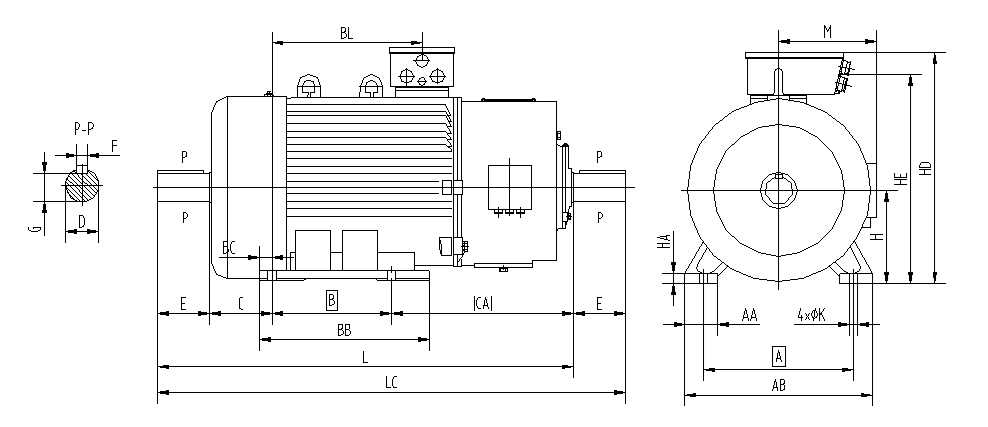
YZR (450-560) Series Wound Rotor Three-Phase Asynchronous Motors for Crane and Metallurgical Applications
Jiamusi Electric Machine Co., Ltd.
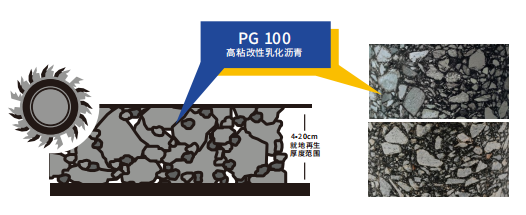
High-toughness in-Situ Cold Recycling Technology for Original Structural Layers
Central Fortune Creation Technology Group Co., Ltd.
RISITA explosion-proof air conditioning
Guangdong RISITA Air Conditioning Equipment Co.,Ltd.
West China Xiamen Hospital of Sichuan University
Wuhan Huakang Century Clean Technology Co., Ltd.
300mm Segment Type Countdown Traffic Light (Core Type)
Yangzhou FAMA Intelligent Equipment Co., Ltd.