Brazil Plans to Invest R$15 Billion in Restructuring the Litoral Sul Highway Contract
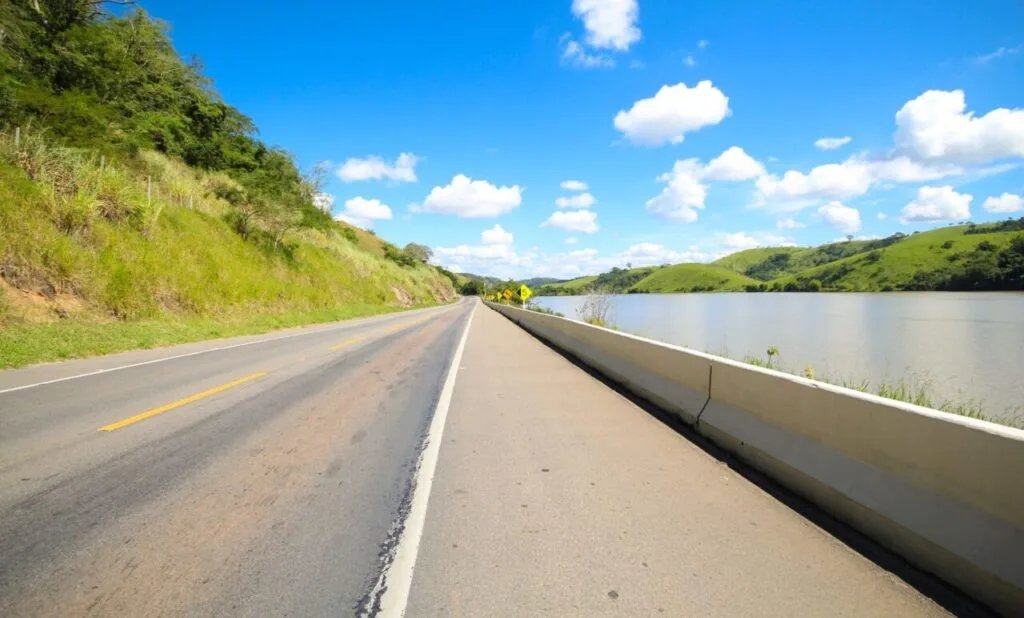
en.Wedoany.com Reported - The Brazilian government has developed a two-phase plan to restructure the Litoral Sul highway concession contract operated by Arteris. This highway, connecting the state of Paraná to the capital of Santa Catarina, is currently operating at full capacity. After unsuccessful renegotiations under the SecexConsenso mechanism with the Federal Court of Accounts (Tribunal de Contas da União, TCU), the new strategy aims to incorporate approximately R$5 billion in interventions into the contract during the five-year concession review, which is scheduled to be evaluated this year by the National Land Transport Agency (Agência Nacional de Transportes Terrestres, ANTT).
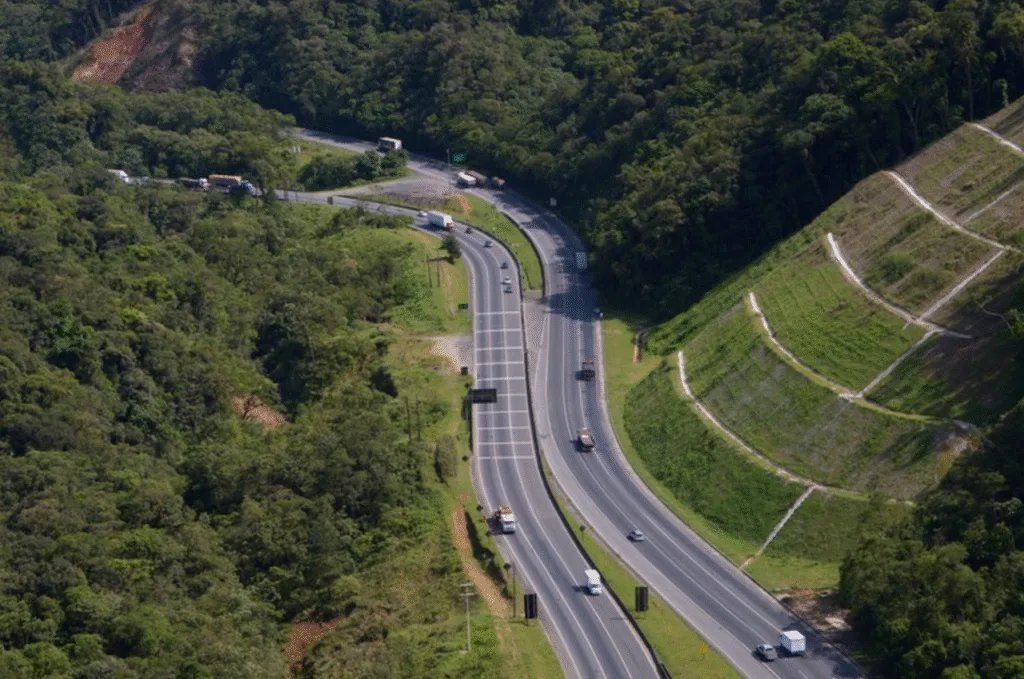
On a longer-term second front, the operator and the government will negotiate deeper adjustments to the contract, with estimated capital expenditures of around R$10 billion. Once negotiations are complete, the proposal will be submitted to the TCU for evaluation, but outside the SecexConsenso framework. The general terms of this plan have been established through a letter of intent signed by the Ministry of Transport (Ministério dos Transportes), ANTT, and Arteris. The agreement also outlines a timeline for Arteris to return certain sections of the Litoral Sul highway, which will be transferred via a supplementary agreement to the Via Costeira contract operated by Motiva, involving the Morro dos Cavalos and Eixão stretches. Combining all interventions by both operators, investments in the region could approach R$20 billion.
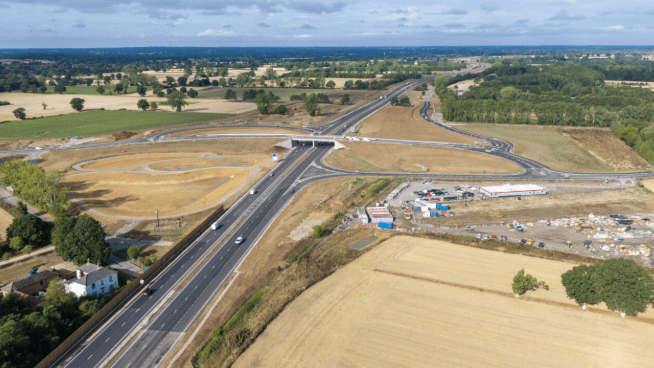
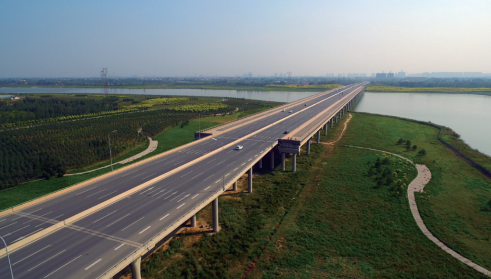
There is a significant need for capacity expansion on the connection between Santa Catarina and Curitiba, particularly in the Santa Catarina section, where congestion has worsened due to the state's economic growth in recent years. The service level of this concession is already critical, with 76% of the highway operating at levels E and F, indicating unstable traffic flow, overcapacity, and congestion. Long-standing bottlenecks like Morro dos Cavalos have led Santa Catarina lawmakers to question this federal concession for years. By planning a large volume of interventions in phases, the government can also better manage political demands and competition for investment in specific regions.
One of the interventions to be included in the five-year review is adding a lane along more than 50 kilometers of the BR-101 highway, a section currently without institutional maintenance. After the transfer, the concessionaire is expected to repair these stretches, including building access points. Additionally, a list of other projects with ready-to-execute designs will also be included in the review. The five-year review is a standard tool in highway concessions, allowing contract obligations to be adjusted based on changing needs. It occurs every five years, and the changes are subject to public consultation. The letter of intent with Arteris estimates investments of around R$4 billion in this review phase, with contract balance potentially achieved by adjusting toll rates or extending the contract term, which is currently scheduled to end in 2033. Meanwhile, the parties may reach an agreement to convert fines into investments as an alternative penalty. This amount is being calculated, but the total value of the supplementary agreement could reach R$5.8 billion. "This is a very high investment, and work will begin this year," Transport Minister George Santoro told iNFRA news agency.
For deeper structural adjustments, other interventions totaling approximately R$10 billion will be negotiated through an agreement, aiming to align the highway with the current parameters of the Federal Highway Concession Program (Programa de Concessões de Rodovias Federais, Procofe). The list of projects may follow the content that was not agreed upon under the TCU's SecexConsenso framework. According to iNFRA news agency reports at the time, the capital expenditure for the new contract was calculated at R$13.65 billion, including the construction of over 200 kilometers of additional lanes and the implementation of projects like the Serra do Mar downhill lane (Curva da Santa). One reason the negotiations failed was that the investment to improve service levels was only finalized on the last day, creating uncertainty about the amount to be agreed upon by both parties.
In a statement, Arteris emphasized the principles established in the agreement signed with the government and stated that the document creates a permanent cooperation agenda to accelerate analysis, share studies, identify obstacles, and develop solutions. This agenda is divided into three simultaneous phases, including analyzing the return of the BR-101/SC sections known as Morro dos Cavalos and Eixão to the federal government, evaluating an alternative penalty agreement that could convert liabilities from violation notices into improvement measures, and potentially incorporating around R$4 billion in investments to enhance road capacity and safety. Arteris also noted that studies for a broader modernization of the contract will be conducted and submitted to the TCU for consideration.
The contract restructuring also involves transferring management of the Morro dos Cavalos and Eixão sections to Via Costeira. Arteris completed investments in the Florianópolis ring road in 2020, but that project primarily addressed long-distance routes and did not significantly improve traffic in the cities the highway passes through. The idea of transferring some sections to Motiva is based on its contract having more room for rate adjustments, as its tolls are cheaper than those on the Litoral Sul highway. For the Morro dos Cavalos bottleneck, the solution may involve building a tunnel, a project conceived by Brazil's National Department of Transport Infrastructure (DNIT), currently budgeted at around R$2.5 billion and requiring updated designs. In a statement, Motiva said that late last year, ANTT contacted the company to request it conduct construction studies for the Morro dos Cavalos traffic capacity expansion project, emphasizing that the agency is ready to provide the best solution for the region's situation.
Related Products



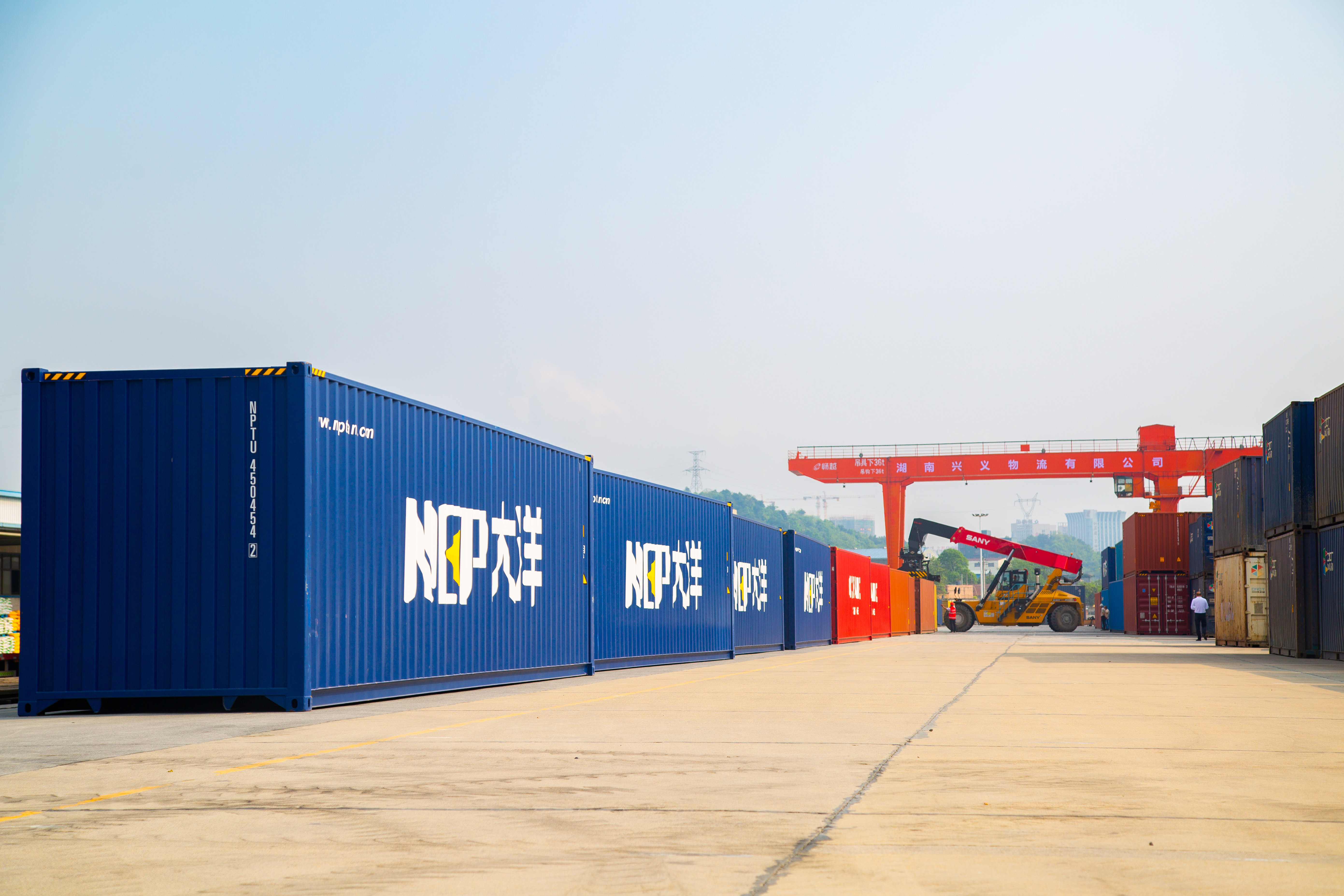
China - Alashankou/Khorgos - Europe Full Range Transportation (Mala/Hamburg/Duisburg/Budapest, etc.)
Shenzhen Neptune Logistics Co., Ltd.
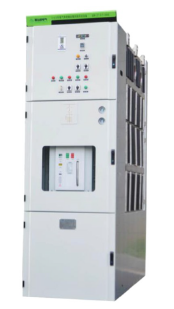
GSR6-27.5kV SF6 Free Gas-insulated Metal-enclosed Switchgear
Zhejiang Juhonkia Intelligent Electric Co., Ltd.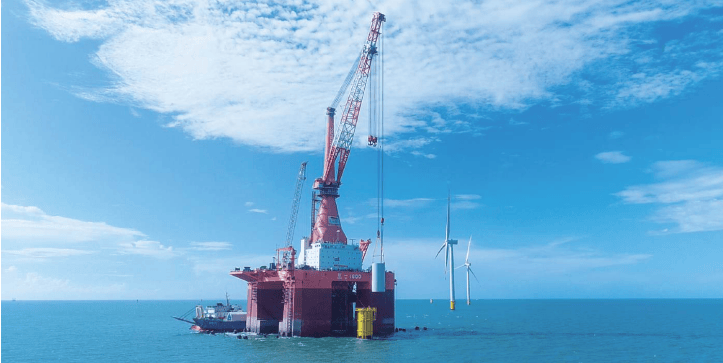
"Shunyi 1600" Deep-submerging Bottom-sitting Multi-functional Wind Power Engineering Vessel
Zhengli Offshore Engineering Co., Ltd.