UK Tokamak Energy's 1 MW Gyrotron Passes ST40 On-Site Acceptance Testing
en.Wedoany.com Reported - UK-based Tokamak Energy has completed on-site acceptance testing of the new gyrotron system for the high-field spherical tokamak ST40, verifying the performance of the radio frequency (RF) heating system. The gyrotron will subsequently be installed on the ST40 device.
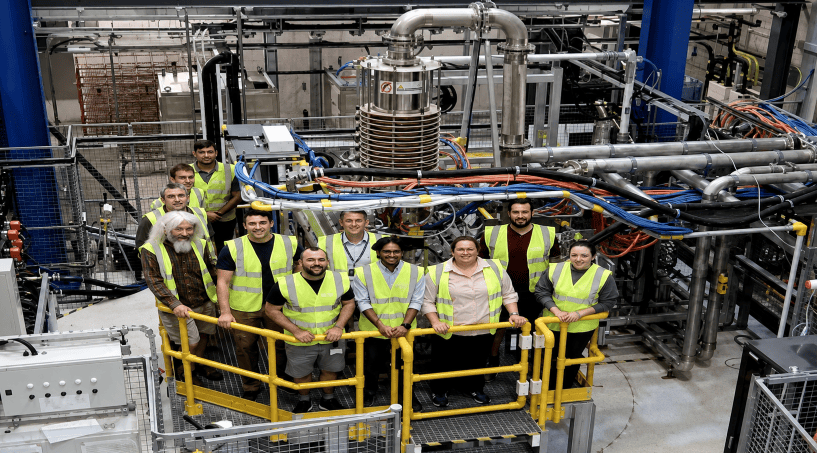
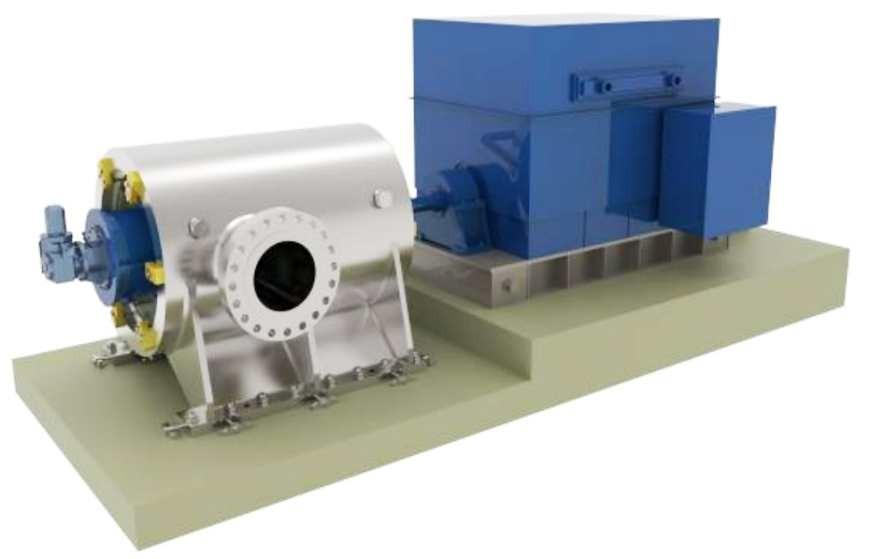
The gyrotron, built by Kyoto Fusioneering for Tokamak Energy over an 18-month period, will output high-power electromagnetic waves to control and heat hydrogen plasma, which reaches temperatures several times higher than the center of the Sun. The gyrotron also handles plasma current startup and drive. During testing, it achieved reliable 1 MW output at both 104 GHz and 137 GHz frequencies, with the longest pulse lasting two seconds, and passed repeatability, modulation, power control, and mode purity tests, meeting the sustained performance requirements for fusion experiments.
Next, the team will focus on preparing the launcher, mirror polarizers, transmission line, and control system, followed by installation and commissioning on ST40. Once operational, the gyrotron will provide additional heating and current drive for ST40, supporting higher-performance plasmas and enabling experiments in plasma heating, current drive, startup, and ramp-up scenarios.
This project is part of the collaboration between Tokamak Energy and UK Fusion Energy (UKFE), aimed at building knowledge and capabilities for the UK's STEP program. STEP (Spherical Tokamak for Energy Production) is the UK government's flagship program, targeting the design and construction of a fusion prototype power plant by 2040. ST40 is STEP's primary physics test platform, allowing engineers to test actual magnetic configurations, plasma stability, and coil forces, significantly shortening engineering validation cycles compared to software simulation alone.
The gyrotron will also play a key role in the LEAPS program. LEAPS (Lithium Evaporations to Advance PFCs in ST40) is Tokamak Energy's ST40 upgrade initiative focused on lithium systems, jointly funded by the U.S. Department of Energy (DOE) and the UK Department for Energy Security and Net Zero (DESNZ), representing a $52 million public-private partnership upgrade project.
Tokamak Energy plans to use both existing neutral beam heating and gyrotron heating simultaneously on ST40 to understand gyrotron operating principles and control system requirements, and to find the optimal balance between the two heating methods.
Plasma heating experts from Kyoto Fusioneering have been stationed at Tokamak Energy's Oxfordshire headquarters to support installation, commissioning, and system testing. Both companies are core participants in the FAST (Fusion by Advanced Superconducting Tokamak) project. FAST is an industry-academia collaboration led by Starlight Engine, aiming to demonstrate net fusion power in Japan in the 2030s.
Under the FAST framework, Tokamak Energy provides high-temperature superconducting (HTS) magnet and tokamak design expertise, while Kyoto Fusioneering handles power plant engineering and plasma design. Kyoto Fusioneering has facilities in Reading, UK, with the Culham Campus as its main hub; the geographical proximity of the two companies, along with their shared participation in public programs such as the UK Atomic Energy Authority (UKAEA), facilitates collaboration. Tokamak Energy has also established a subsidiary, Tokamak Energy KK, to liaise with Kyoto Fusioneering and other Japanese institutions, coordinating the global supply chain.
Related Products
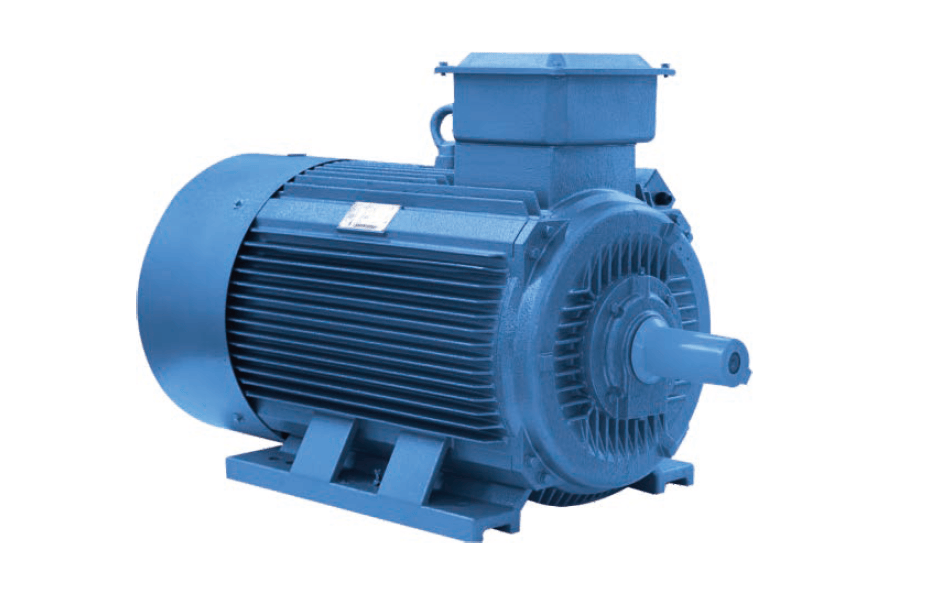

TYC Series High-Efficiency Permanent Magnet Synchronous Motor
Xiangdian Smart Energy Technology Co., Ltd.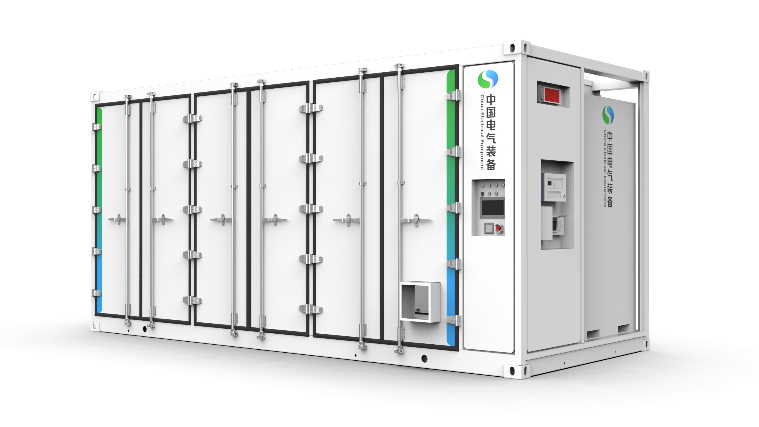
MESS8201-2507/5015-BN Prefabricated Liquid-cooled Energy Storage Battery Container
Xuchang Xuji Electric Science Energy Storage Technology Co., Ltd.
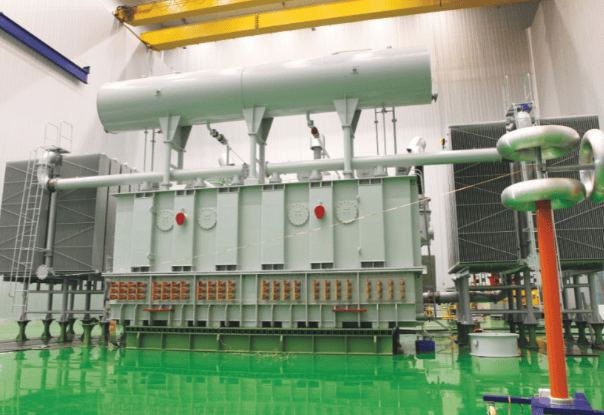
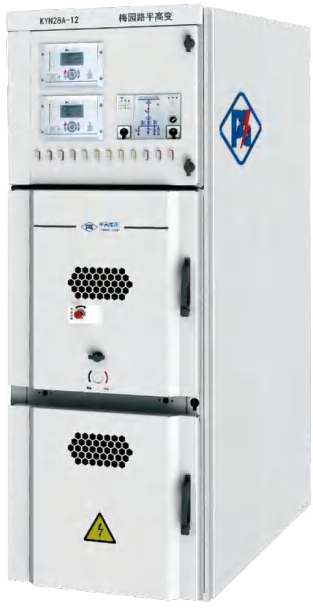
KYN28A-12 Metal Armored Removable Switchgear
Tianjin Ping Gao Intelligent Electric Co., Ltd.

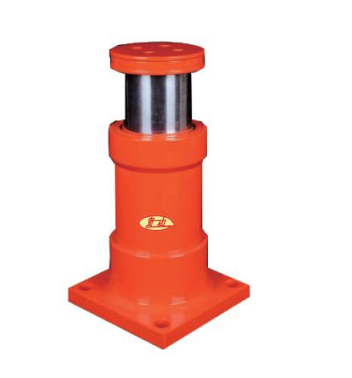
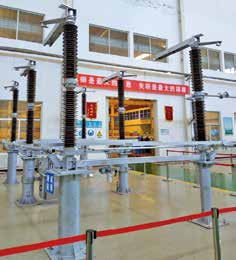
GW4-40.5/72.5/126/145/170/252/363/420 Series Double-column Horizontal Rotary High-voltage AC Disconnect Switch
SHANDONG TAIKAI DISCONNECTORS CO., LTD.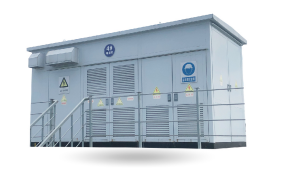
Smart Photovoltaic Prefabricated Substation
Shanghai Jinyou Jinhong Intelligent Electric Co., Ltd.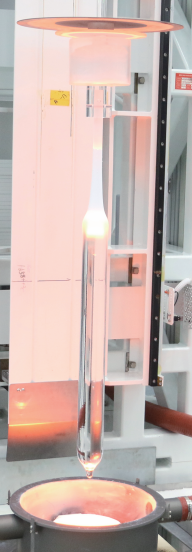
G.652.D Wavelength-extended Non-dispersion Shifted Single-mode Optical Fiber
HONGAN GROUP CO., LTD.