ExxonMobil's Q2 2026 Profit Doubles, CEO Says Gasoline Prices Hard to Fall
en.Wedoany.com Reported - ExxonMobil (XOM) and Chevron (CVX), two of America's oil giants, delivered sharply higher profits in their latest quarterly earnings: ExxonMobil's second-quarter 2026 profit more than doubled year over year, while Chevron's grew more than fourfold. However, ExxonMobil CEO Darren Woods told CNBC after the earnings release that U.S. consumers should not expect gasoline prices to ease anytime soon.
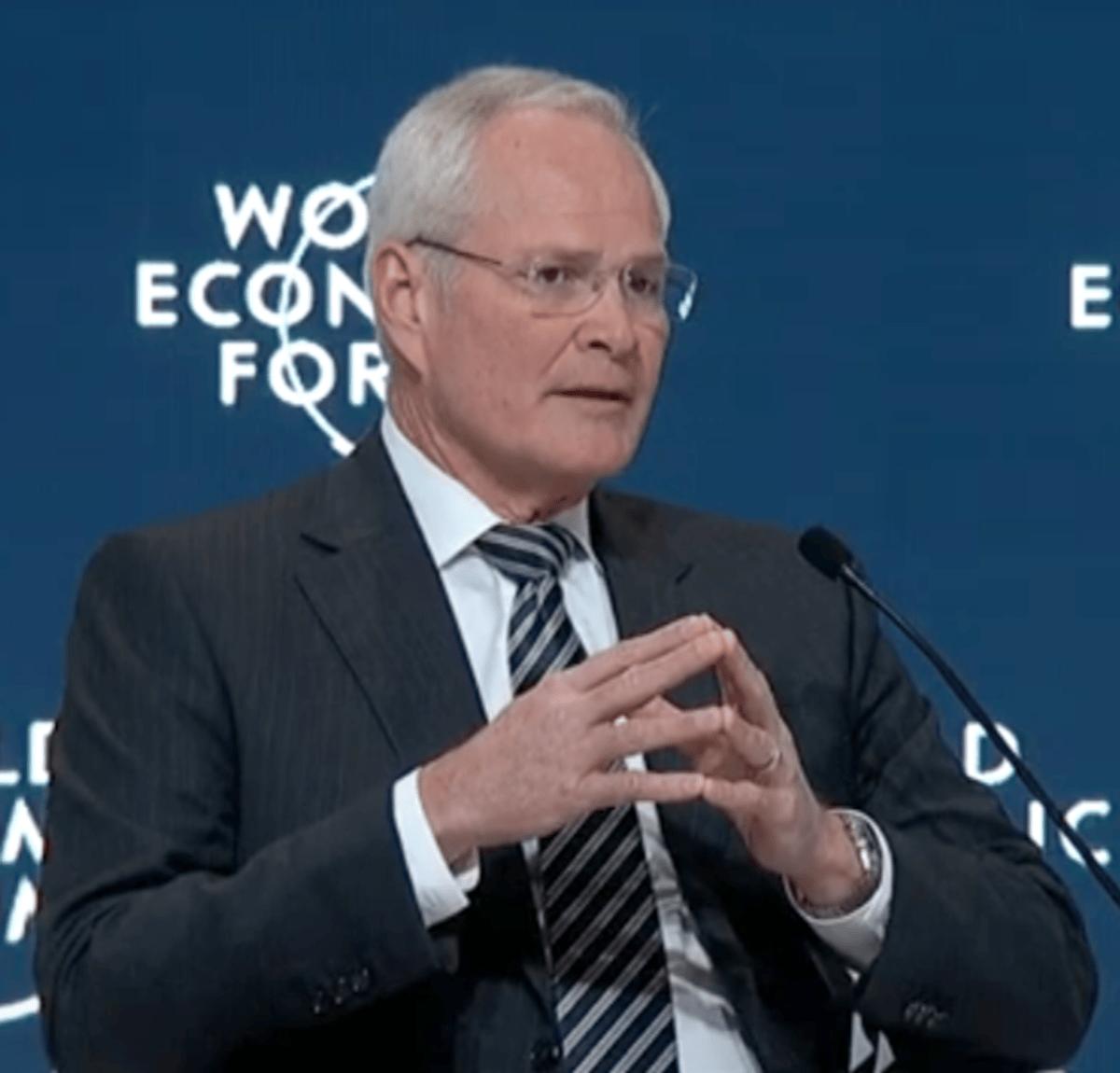
Despite crude prices retreating from a peak of $126 per barrel in early spring to around $85 to $90 per barrel, gasoline prices across the United States remain above $4 per gallon. In a July 31 interview, Woods explained that there is a "disconnect" between crude prices and what consumers pay at the pump, and that gap is unlikely to narrow quickly. He argued that the main factor driving up fuel prices is not crude costs but global refining capacity constraints.
The U.S.-Iran conflict, now in its sixth month, has severely disrupted oil shipments through the Strait of Hormuz, which previously carried about one-fifth of the world's crude (CLU26) and natural gas (NGU26) traffic. The conflict has damaged Middle Eastern refineries and reduced crude inputs for some Asian refineries reliant on Gulf supplies, cutting global refining capacity by nearly 9%. Against this backdrop, U.S. refiners with ample crude supplies are earning crack spreads of $50 to $60 per barrel, versus a normal level of $20 to $25 per barrel.
Woods said that even if a ceasefire or resolution is reached, the normalization process will be slow. Market participants are reluctant to immediately resume shipments through the Strait of Hormuz, as repeated disruptions and attacks leave lingering uncertainty, dampening shipping confidence, and it will take considerable time for volumes to return to pre-conflict levels. Industry analysts estimate that full normalization of Gulf oil shipments would take four to six months after a lasting ceasefire, with the base case not materializing until early 2027.
ExxonMobil's own results also illustrate why the company judges that consumers will not see immediate relief. Its refining business earned $5.5 billion in the second quarter, versus a $1.3 billion loss in the first quarter; refining margins hit a record during the quarter, Permian Basin output was also record-breaking, and overall upstream production was the highest in more than two decades. Total company profit more than doubled year over year to $14.5 billion, on revenue of $116 billion.
The problem Woods describes is structural, meaning gasoline prices are likely to stay elevated regardless of short-term changes in crude prices. The demand shock has been so severe that a recovery in underlying consumption, beyond inventory replenishment, is unlikely in the near term, while the 2026 supply gap is estimated at 1 million to 2.6 million barrels per day. U.S. refineries are already running near full capacity, and with no quick fix for damaged or inaccessible refining assets abroad, this bottleneck could persist until substantial new capacity comes online or geopolitical conditions stabilize enough to restore pre-war trade flows.
Related Products


Industrial and Commercial Point-Type Gas Detector
Jinan Benan Technology Development Co., Ltd.
Nitrogen Export, Nitrogen Manufacturer, High-purity Nitrogen Supplier
Foshan Yuexin Industrial Gas Co., Ltd.
Gasification Furnace Series: Freely Combinable Aerospace Furnace
CHANGZHENG ENGLINEERING CO., LTD.
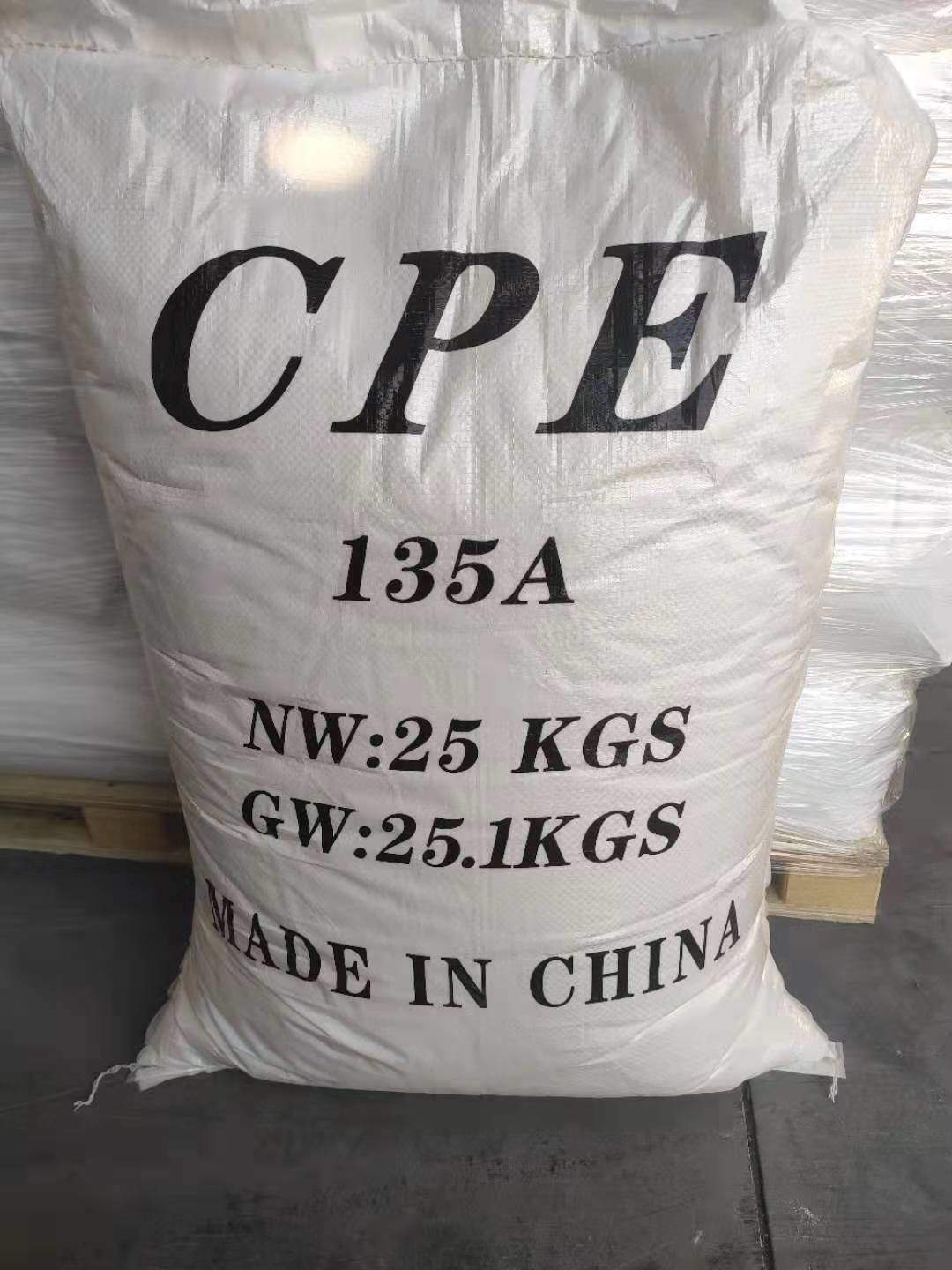
PVC Impact-Modified Chlorinated Polyethylene
Gansu Jinchuan Hengxin Polymer Technology Co., Ltd.