EIB considers EUR 75 million loan to help Croatia purchase trams and electric buses
en.Wedoany.com Reported - The European Investment Bank (EIB) is considering providing a EUR 75 million loan for the procurement of new trams and electric buses in Zagreb, the capital of Croatia, with a total project cost of EUR 184 million, as part of the "Decarbonisation of Zagreb Public Transport" initiative. The city is accelerating the transition of its public transport system to a low-emission framework, and this investment represents the latest step in its urban transport electrification process.
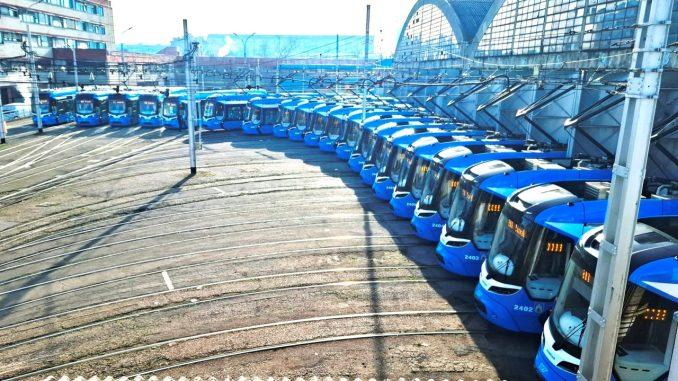
As the backbone of the city's public transport, the tram network spans over 110 kilometres, making it one of the most significant urban transport systems in Central and Southeast Europe. According to the project overview published by the EIB, this investment aims to reduce greenhouse gas emissions, improve air quality, lower noise pollution, enhance energy efficiency, and strengthen road safety. The newly acquired vehicles will replace some older units that have reached the end of their service life, improving the comfort, accessibility, and reliability of public transport.
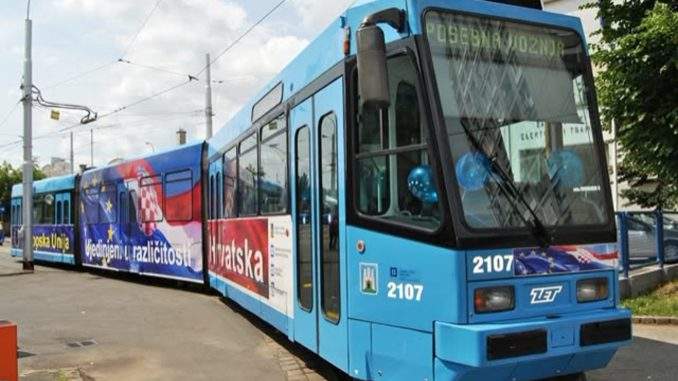
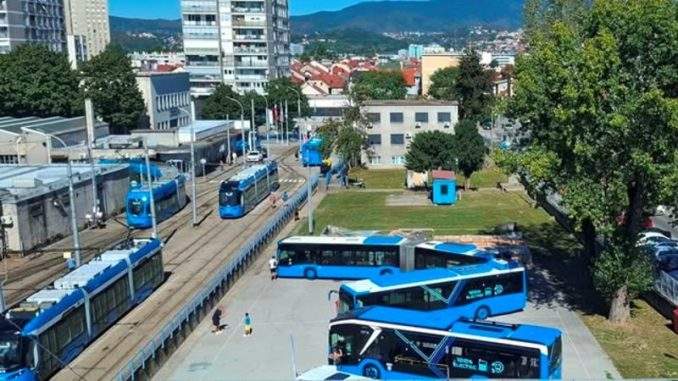
This procurement plan covers public transport modernisation goals between 2025 and 2030, involving 20 new electric trams (up to 34 metres in length) and 100 electric buses (with lengths of 9, 12, and 18 metres respectively). While the EIB assesses this loan, Zagreb is already implementing a larger-scale fleet renewal programme.
By the end of 2025, the operator Zagrebački električni tramvaj (ZET) completed the delivery of the first 20 low-floor trams, manufactured by the Croatian company Končar – Električna vozila, under a contract valued at EUR 49.8 million. During the same period, the city also signed a contract for an additional 20 new trams, worth EUR 55 million, with nearly EUR 44 million of that amount funded by the European Union through the "Competitiveness and Cohesion Programme," with delivery scheduled for 2026.
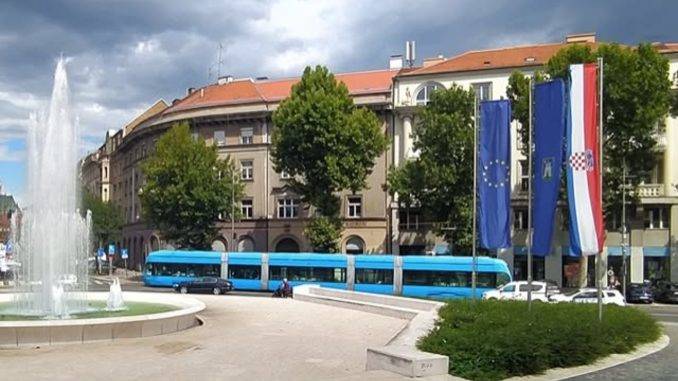
Furthermore, Zagreb authorities have signed procurement contracts for 62 electric buses, with an investment of EUR 56.75 million, of which over EUR 45 million is funded by Croatia's "National Recovery and Resilience Plan." According to the city government, all buses will be operational by October 2026.
These ongoing projects complement the loan currently under assessment by the EIB, indicating that the city is accelerating the renewal of its tram and bus fleets. Local authorities have also set a target for the coming decade: fully electrifying the bus fleet of approximately 500 vehicles. If this loan is approved, it will support one of Croatia's largest public transport modernisation programmes, combining European funds, EIB financing, and local investment to drive the urban transport system towards a cleaner and more efficient transition.
Related Products

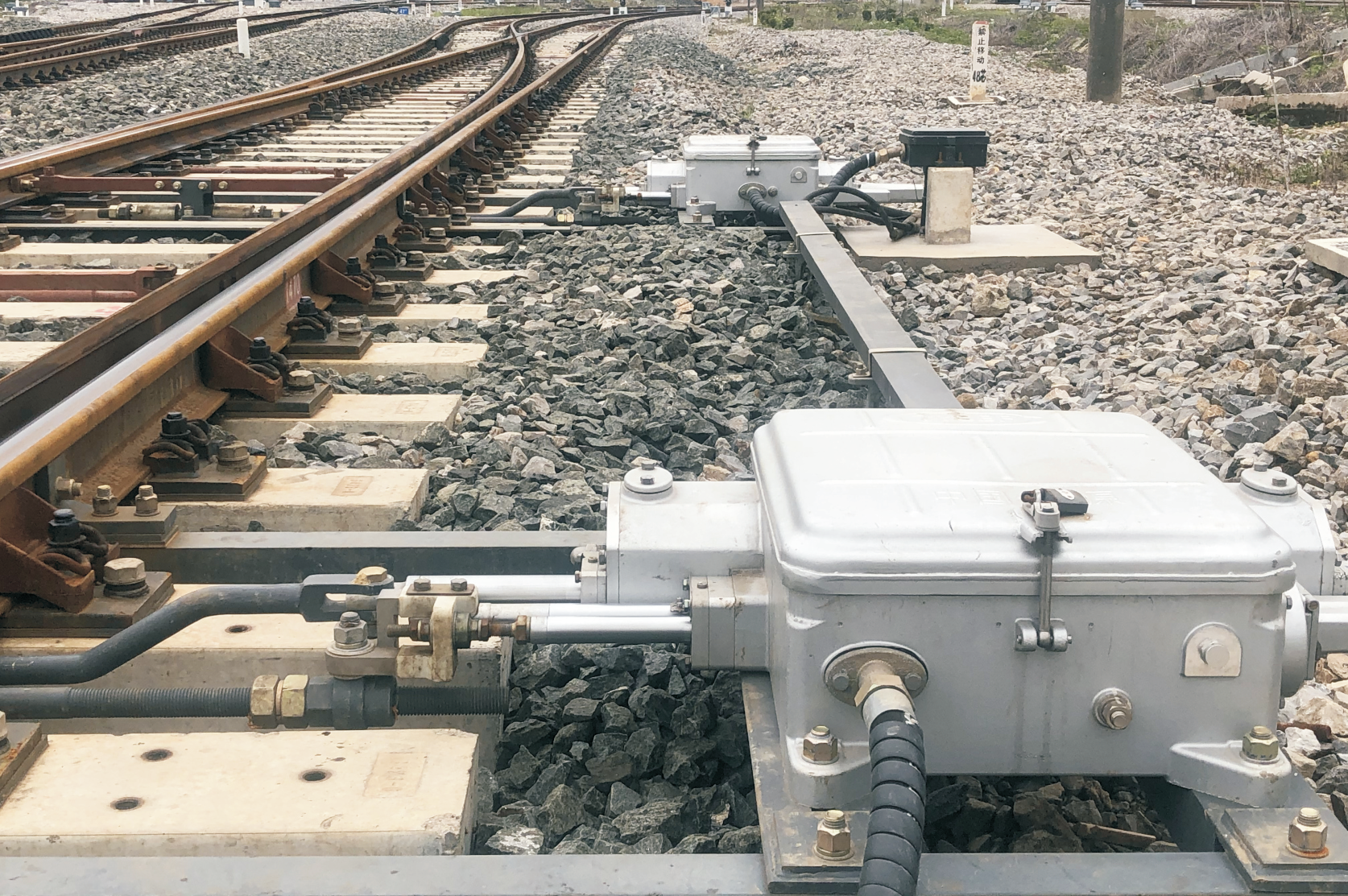
ZY(J)7(M) Sealed Type Electro-Hydraulic Turnout Machine
TAIYUAN CR JINGFENG EQUIPMENT TECHNOLOGY CO., LTD.
ERW Welded Pipe (Black Pipe and Hot-dip Galvanized Steel Pipe)
Handan Zhengda Steel Pipe Co., Ltd.
Wheel and Track Technology Business
Beijing Research & Design Institute of Rubber Industry Co., Ltd.