Poland Develops 2034/2035 Timetable to Advance European Rail Integration
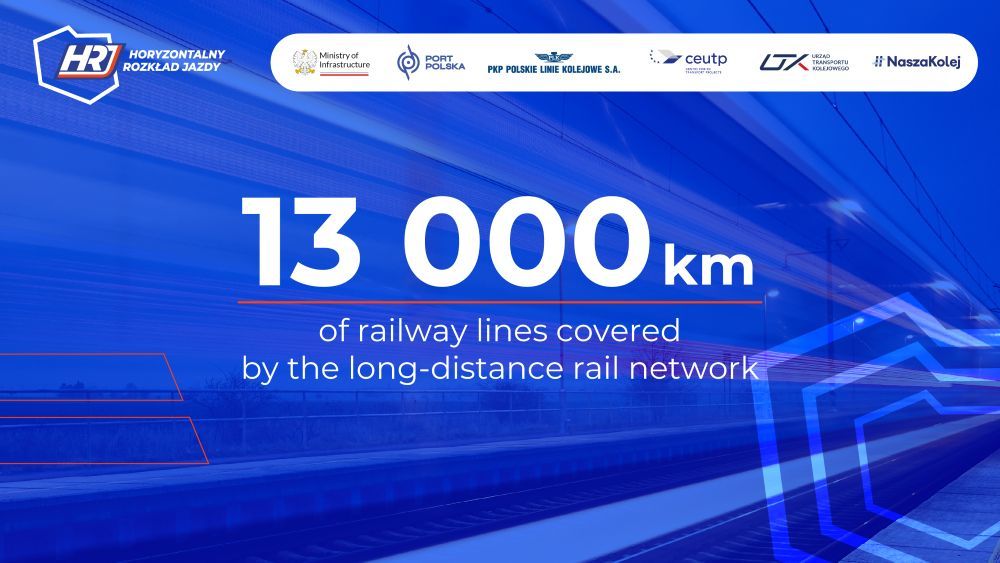
en.Wedoany.com Reported - Poland's Horizontal Timetable (HRJ) currently under development provides a long-term planning framework for the 2034/2035 railway timetable, synchronizing the design of the domestic passenger network with future European cross-border connections, offering a replicable planning model for European rail integration.
This initiative is being developed under the Port Polska investment program, in cooperation between the Polish Ministry of Infrastructure, infrastructure manager PKP PLK, the Centre for EU Transport Projects, and the Office of Rail Transport (UTK). The HRJ is not merely a timetable exercise but rather a service network designed on the basis of future passenger demand forecasts, guiding future investment, market organization, and international cooperation.
The HRJ integrates long-distance, regional, and metropolitan services into a coordinated system based on regular-interval timetables, reliable transfers, and predictable service patterns. The plan simultaneously considers Public Service Obligations (PSO) and commercial open-access services, aiming to allocate infrastructure capacity in a way that balances competition with network efficiency.
What sets this project apart is its development approach: alongside transport modeling and demand forecasting, it includes one of the largest railway consultation programs ever conducted in Poland. Between 2024 and 2026, four consultation streams covered passengers, regional transport authorities, railway operators, and international partners. The public consultation received over 1,800 comments, approximately 60% of which have been reflected in the revised proposals. Based on workshops with regional authorities, the planning team developed train service assumptions for 16 regions, the Warsaw metropolitan area, and the Upper Silesian and Zagłębie Metropolis—the first study in Poland to map regional and metropolitan connection networks nationwide in a unified manner.
Operator consultations generated broad international interest. Invitations were sent to 53 organizations, including 51 railway undertakings and two industry associations, with 23 organizations ultimately participating, covering most active operators in Poland and Central and Eastern Europe. Fifteen railway undertakings completed detailed questionnaires, including seven Polish operators and eight international operators, encompassing both incumbents and new entrants. Their recommendations addressed future market organization, public service contracts, commercial operations, and infrastructure access.
International cooperation began from the very outset of the project. Poland has leveraged European planning initiatives, bilateral meetings, and dialogue between infrastructure managers and transport ministries to continuously engage neighboring countries on long-term planning assumptions throughout the HRJ process, rather than seeking partner input only after the draft timetable was completed. EuroLink has played a central role in this effort—a non-binding initiative under RailNetEurope aimed at developing long-term international passenger service concepts. Through the participation of Port Polska and PKP PLK, Poland has contributed to international train path concepts for the 2035 horizon, an initiative aligned with the logic of the new European Capacity Regulation (CAP). Polish experts participated in two EuroLink planning areas: Area 8 (Via Vindobona+), covering Poland, the Czech Republic, Austria, and Hungary; and Area 9, connecting Poland with Germany and the Baltic states. Participating institutions include DB InfraGO, Správa železnic, ŽSR, ÖBB Infra, LTG Infra, Rail Baltica, and KTI.
In cross-border service design, a key proposal is to reroute Prague services via Wałbrzych, Mieroszów, Meziměstí, and Hradec Králové, providing faster and more reliable connections while serving larger urban centers and relieving the existing corridor via Międzylesie. Combined with Poland's future high-speed "Y" line (connecting Warsaw, Łódź, Wrocław, and Poznań), this proposal would significantly strengthen rail connections between Warsaw and Prague. Another priority concerns the Frankfurt (Oder)–Berlin corridor: Poland is requesting additional train paths to accommodate growing demand, accommodate commercial operators, and support future services originating from Warsaw and southern Poland. Other proposals include strengthening Warsaw–Vienna services via Brno, adding a new connection to Budapest via Košice, and improving connectivity between Szczecin and Berlin.
Poland's first high-speed rail line, connecting Warsaw, the country's new central airport, and Łódź, is scheduled to open in 2032. By the 2035 planning horizon adopted by the HRJ, the network is expected to extend to Poznań and Wrocław, forming a "Y"-shaped corridor that underpins many of the project's future domestic and international services. Initiatives in neighboring countries, such as Deutschlandtakt, the Czech high-speed rail program, and Rail Baltica, are progressing in parallel. The HRJ is positioned not to passively adapt Poland's rail system to future European developments, but rather to actively shape these developments through a combination of evidence-based planning and sustained international cooperation.
Related Products



Wheel and Track Technology Business
Beijing Research & Design Institute of Rubber Industry Co., Ltd.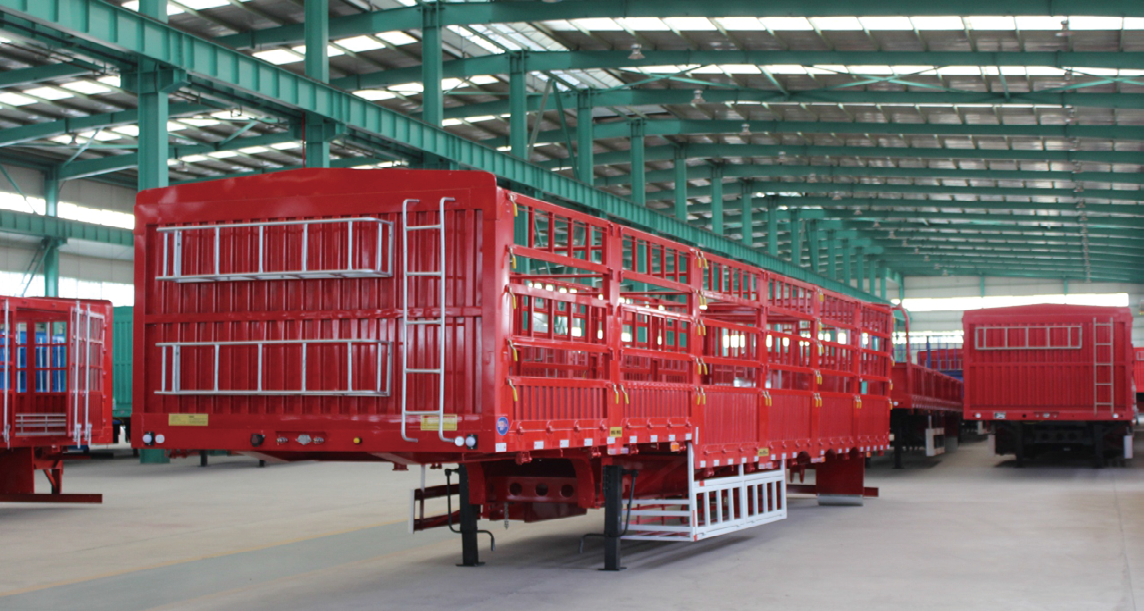

One-Stop Steward Service for the Entire Logistics System Integration Chain
Zhongding Intelligent (Wuxi) Technology Co., Ltd.

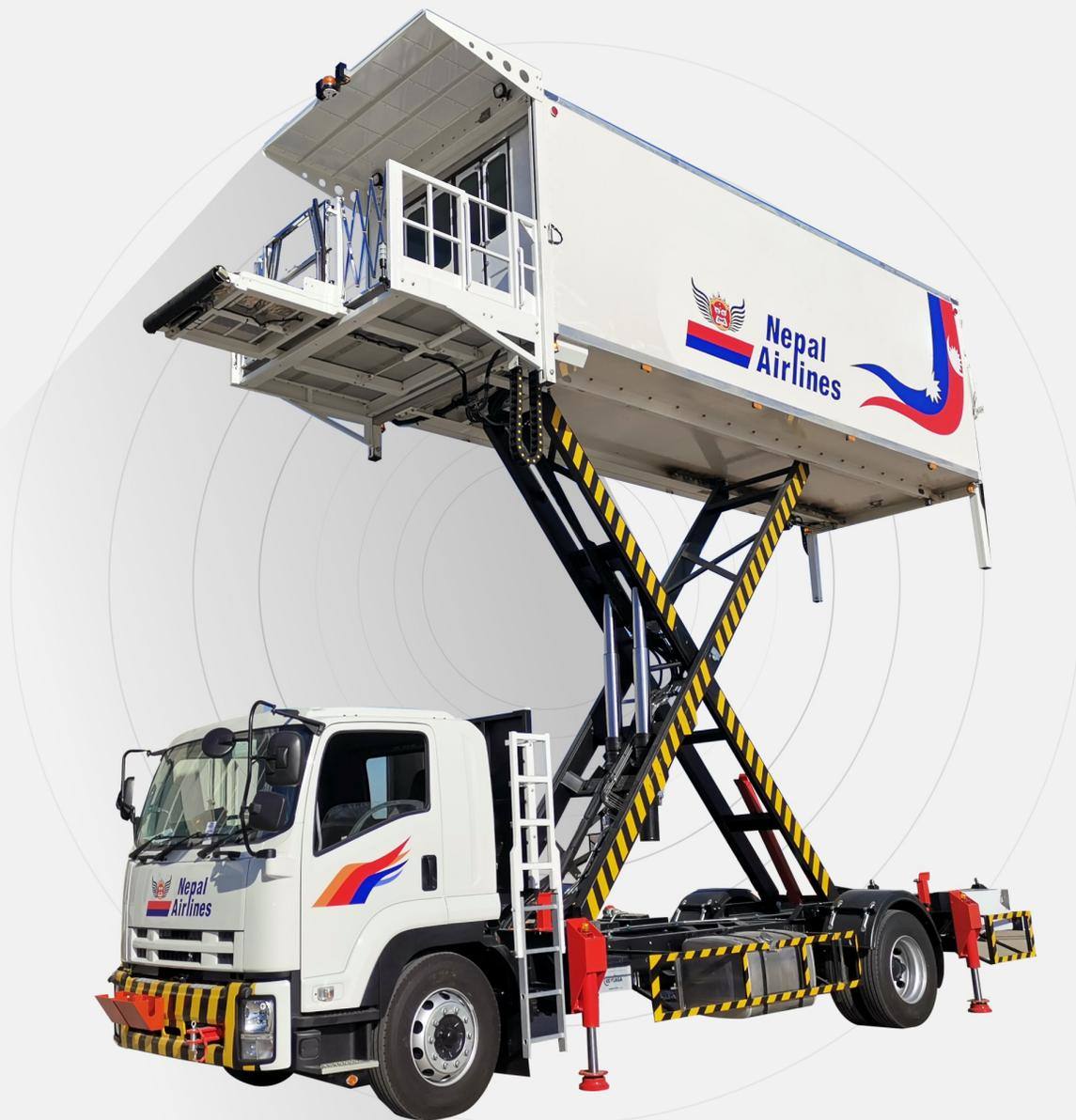
XC-6000e Type Aviation Catering Truck (Fuel Type)
Shenzhen CIMC-TianDa Airport Support Ltd.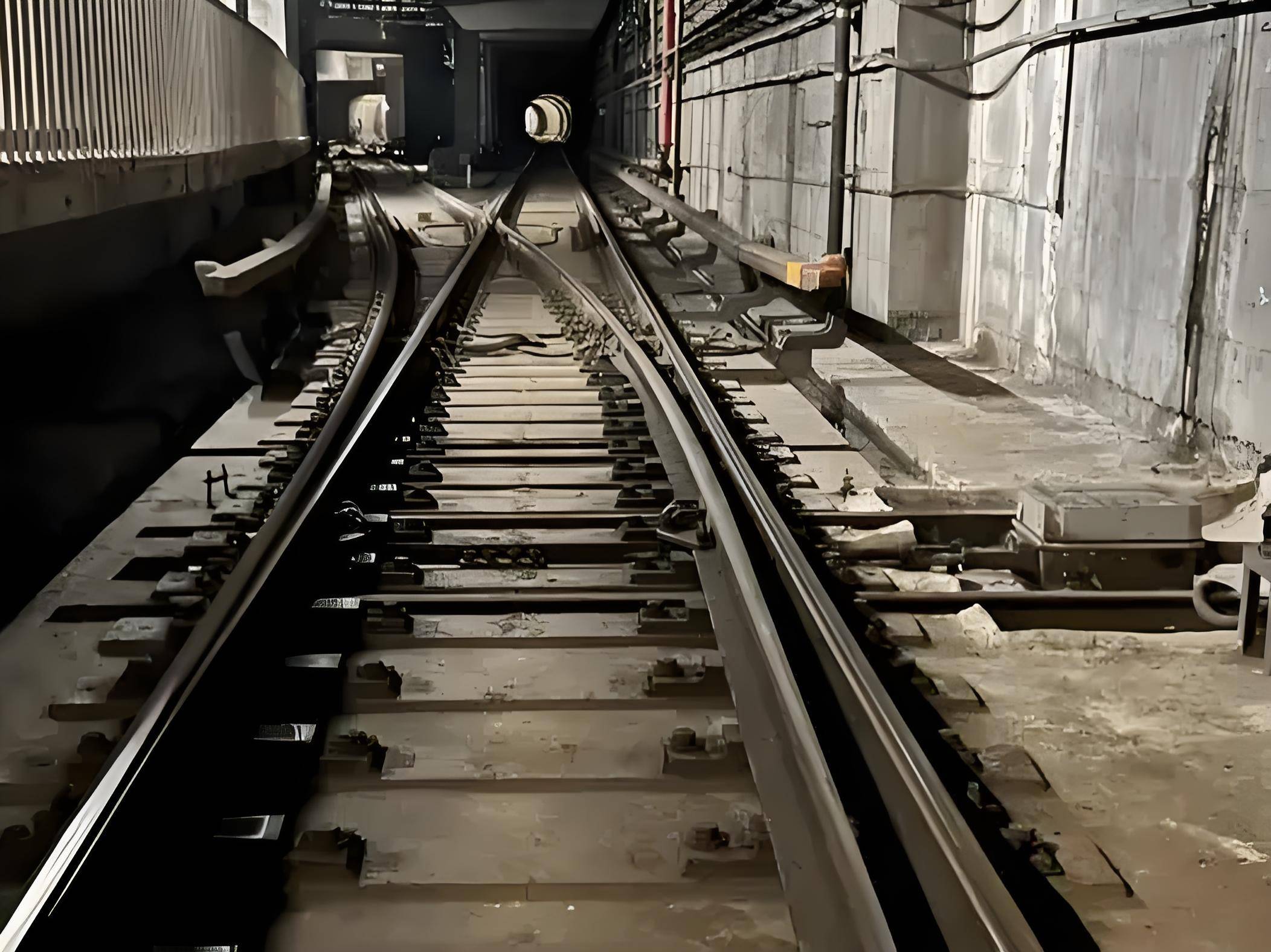
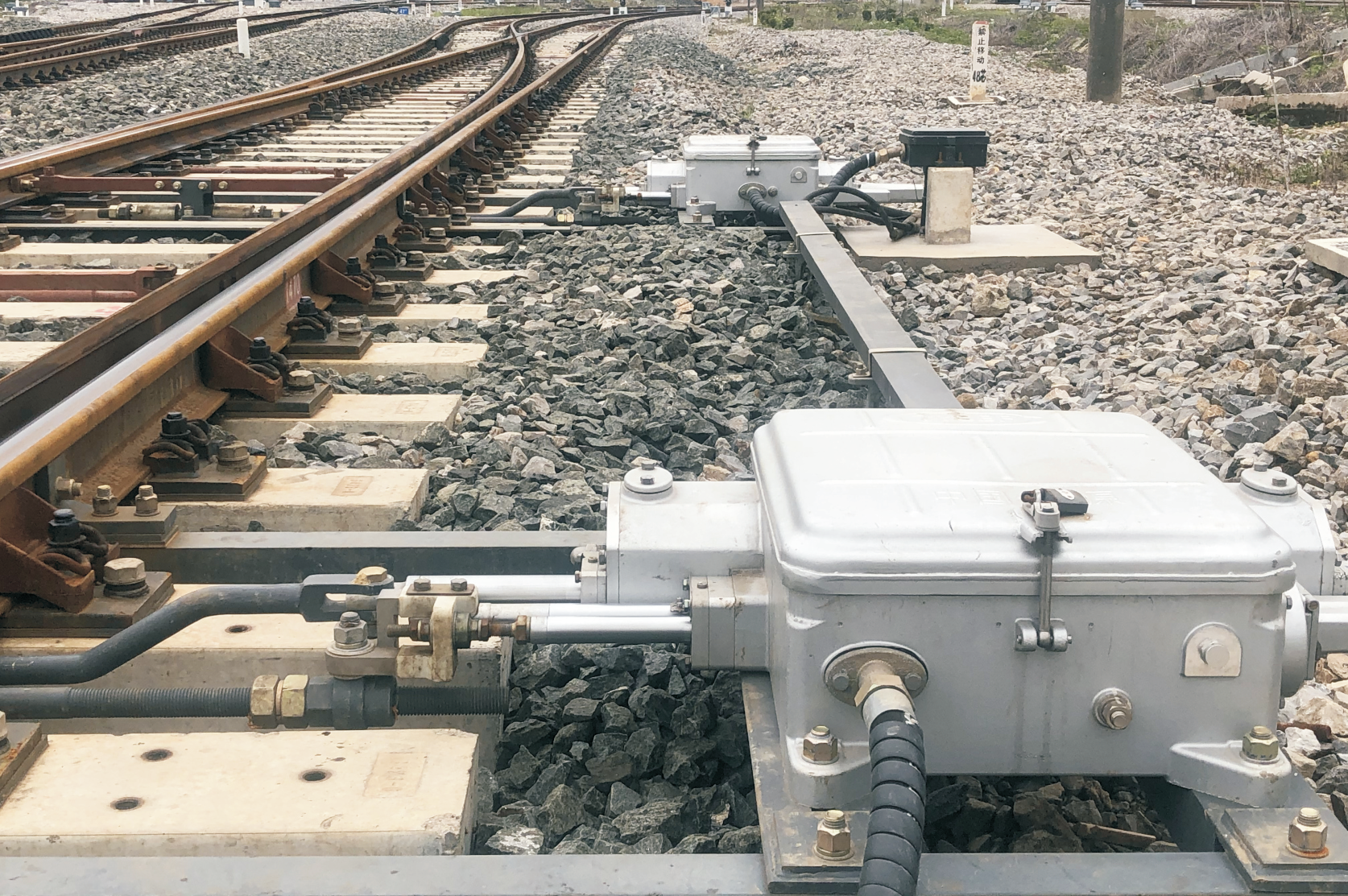
ZY(J)7(M) Sealed Type Electro-Hydraulic Turnout Machine
TAIYUAN CR JINGFENG EQUIPMENT TECHNOLOGY CO., LTD.