Wood Mackenzie: Less Than One-Third of Southeast Asia's Planned New Gas-Fired Power Capacity by 2030 May Materialize
en.Wedoany.com Reported - A new study by Wood Mackenzie shows that of the natural gas-fired power generation capacity planned to be added in Southeast Asia by 2030, less than one-third is expected to actually come online. The report, titled "Is Southeast Asia Being Misled by Natural Gas? An In-Depth Analysis of Southeast Asia's Gas-Fired Power Market," notes that only 11 GW of the planned projects have secured gas turbines, while the remaining planned capacity has yet to secure equipment and may face delivery lead times of at least five years.
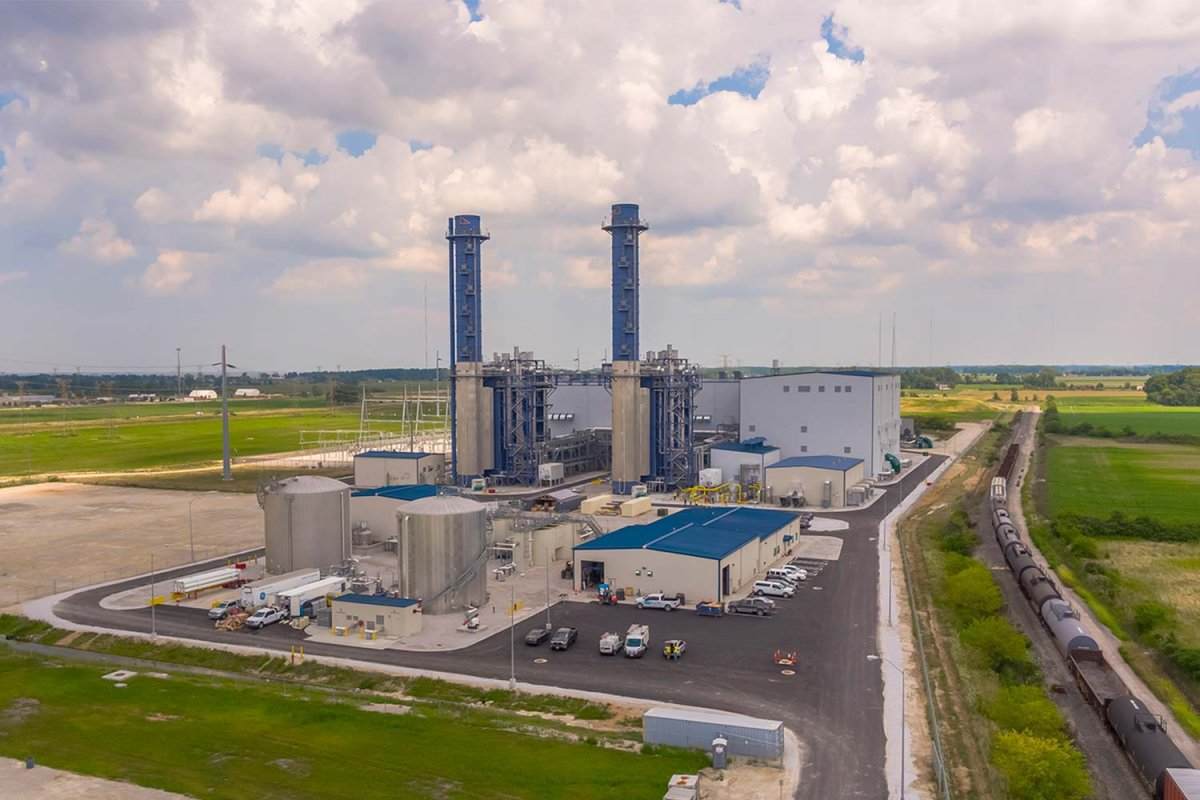
Electricity demand in Southeast Asia is expected to grow 2.4-fold by 2050, outpacing China, Australia, and South Korea. This growth will come from industrial expansion, the "China+1" manufacturing diversification strategy, and increased investment in semiconductors, electronics, and large data centers. Wood Mackenzie expects natural gas demand from the region's power sector to more than double between 2026 and 2050, with gas-fired generation accounting for more than a quarter of the region's electricity output by mid-century.
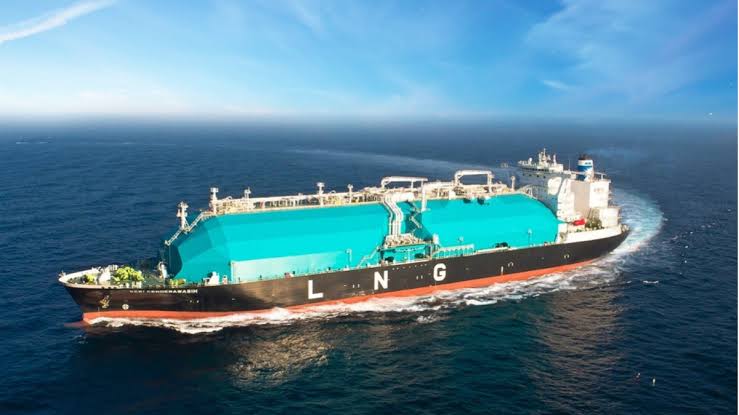
This creates new energy security challenges. Wood Mackenzie forecasts that Southeast Asia will become a net natural gas importer by 2033, with liquefied natural gas (LNG) meeting more than 80% of the region's gas demand by 2050. Building gas-fired power projects as planned is becoming increasingly complex: turbine shortages are the most obvious obstacle, while fuel supply, LNG infrastructure, financing, permitting, and equipment supply are also affecting project timelines.
Wei Han Tan, Research Analyst for Southeast Asia Energy and Renewables at Wood Mackenzie, said: "Natural gas has long been regarded as a key element in Southeast Asia's energy transition, capable of meeting growing electricity demand, facilitating renewable energy integration, and above all ensuring energy security. Today, that premise is being questioned. With project delays mounting and supply chains tightening, policymakers need to rethink not only the role of natural gas in the short term, but also the pathways to achieving long-term energy transition goals."
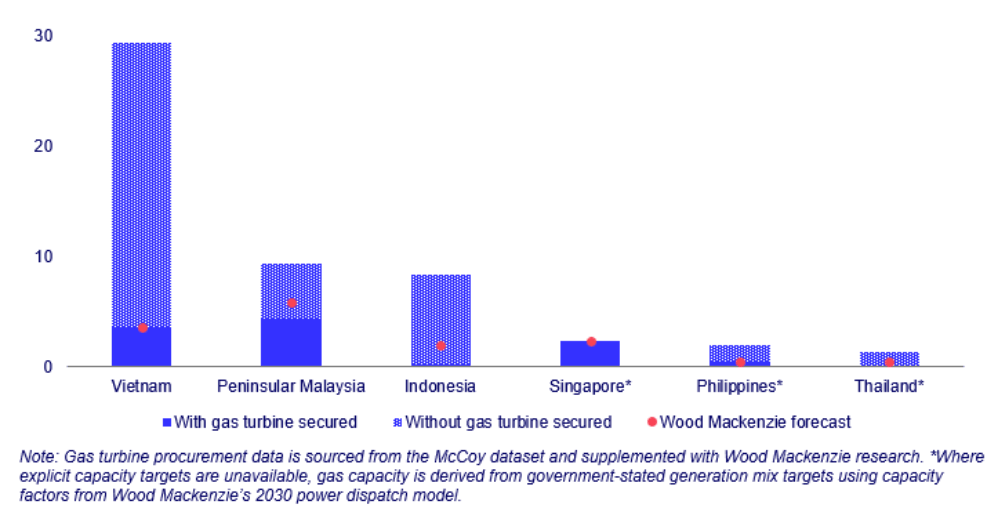
Vietnam is the market with the largest gap between targets and reality. The Vietnamese government has proposed adding 29.4 GW of gas-fired power capacity by 2030, but Wood Mackenzie estimates only 3.7 GW will actually be commissioned. The first batch of LNG power projects has already exposed commercial difficulties related to fuel prices and cost allocation, while uncertain domestic gas supply and slow execution progress continue to weigh on investment decisions.
The Malay Peninsula is extending the operating life of approximately 5 GW of existing gas-fired capacity through 2030 as a transitional arrangement to mitigate short-term risks before advancing new projects. Wood Mackenzie expects 5.9 GW of new capacity in the region, against an estimated demand of 9.4 GW, meaning new plants will still be needed to meet future demand and maintain system reliability. The government is also studying the conversion of soon-to-be-retired coal-fired plants into renewable energy generation hubs.
Indonesia plans to add 8.4 GW of gas-fired power capacity, of which only 200 MW has secured turbine supply—the lowest proportion among the markets analyzed. While abundant domestic coal resources reduce direct risks to electricity supply, they may also slow the pace of decarbonization. In response, the country is scaling up solar deployment while pursuing a more selective approach to gas project development.
Singapore remains the market with the strongest project execution capability in the region, with all major planned projects through 2030 having secured turbine supply. However, the next round of tenders will add 1.8 GW of hydrogen-ready power capacity, which will test whether even the most mature market can continue to navigate tightening global equipment supply chains.
The Philippines faces immediate supply adequacy concerns, exemplified by simultaneous red alerts issued for the Luzon and Visayas grids in May 2026. Wood Mackenzie expects the country to add only 0.4 GW of gas-fired capacity, against a government target of approximately 2 GW by 2030. Beyond project delays, the fragmentation of long-term energy planning functions remains one of the country's key structural issues.
Thailand's main challenge is not insufficient generation but excess existing capacity. The draft Power Development Plan (PDP2024) proposes adding 1.4 GW of gas-fired capacity by 2030, while Wood Mackenzie estimates only 0.5 GW will actually materialize. The more fundamental issue is how to manage surplus generation locked into long-term power purchase agreements without hindering the country's energy transition progress.
Related Products

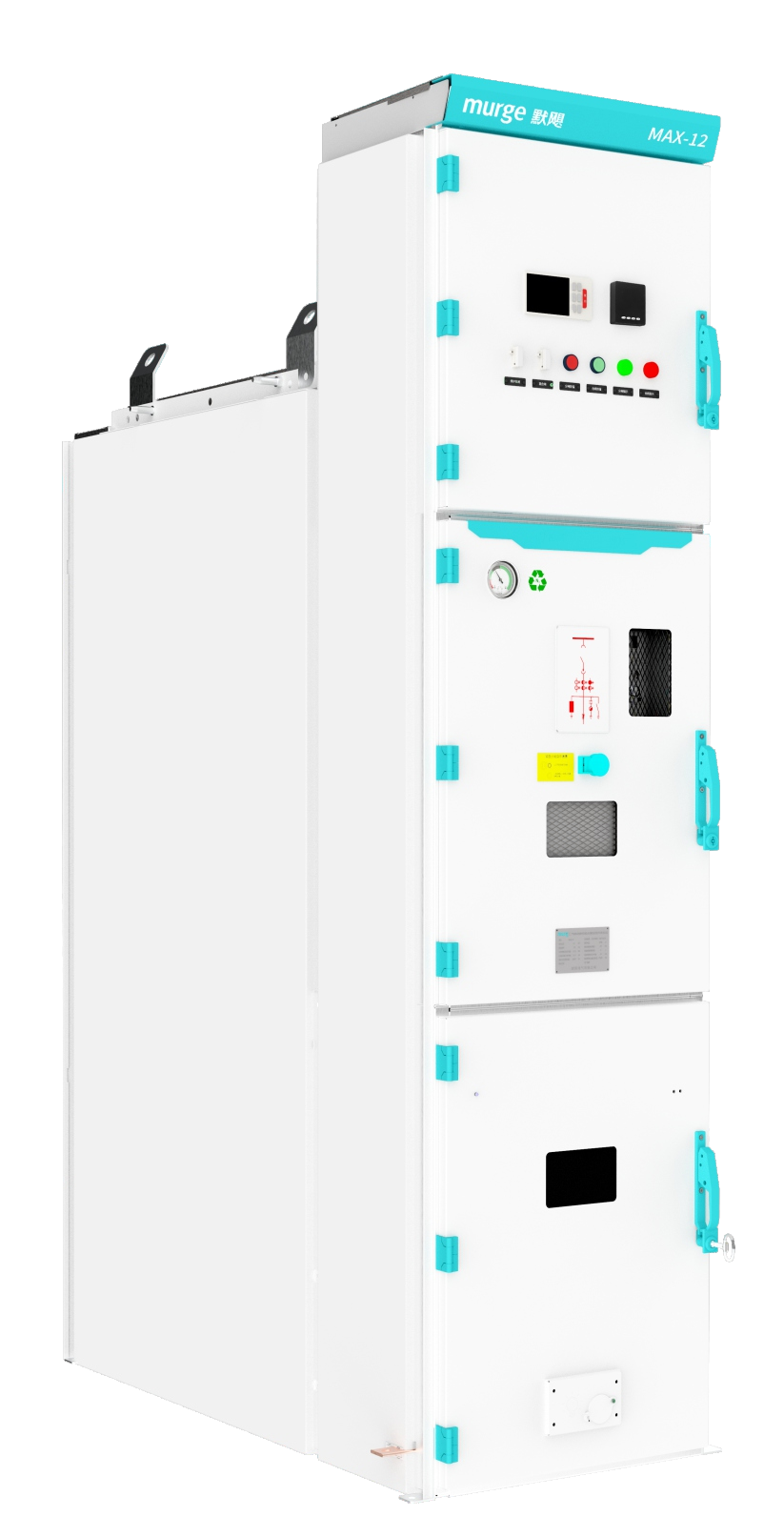
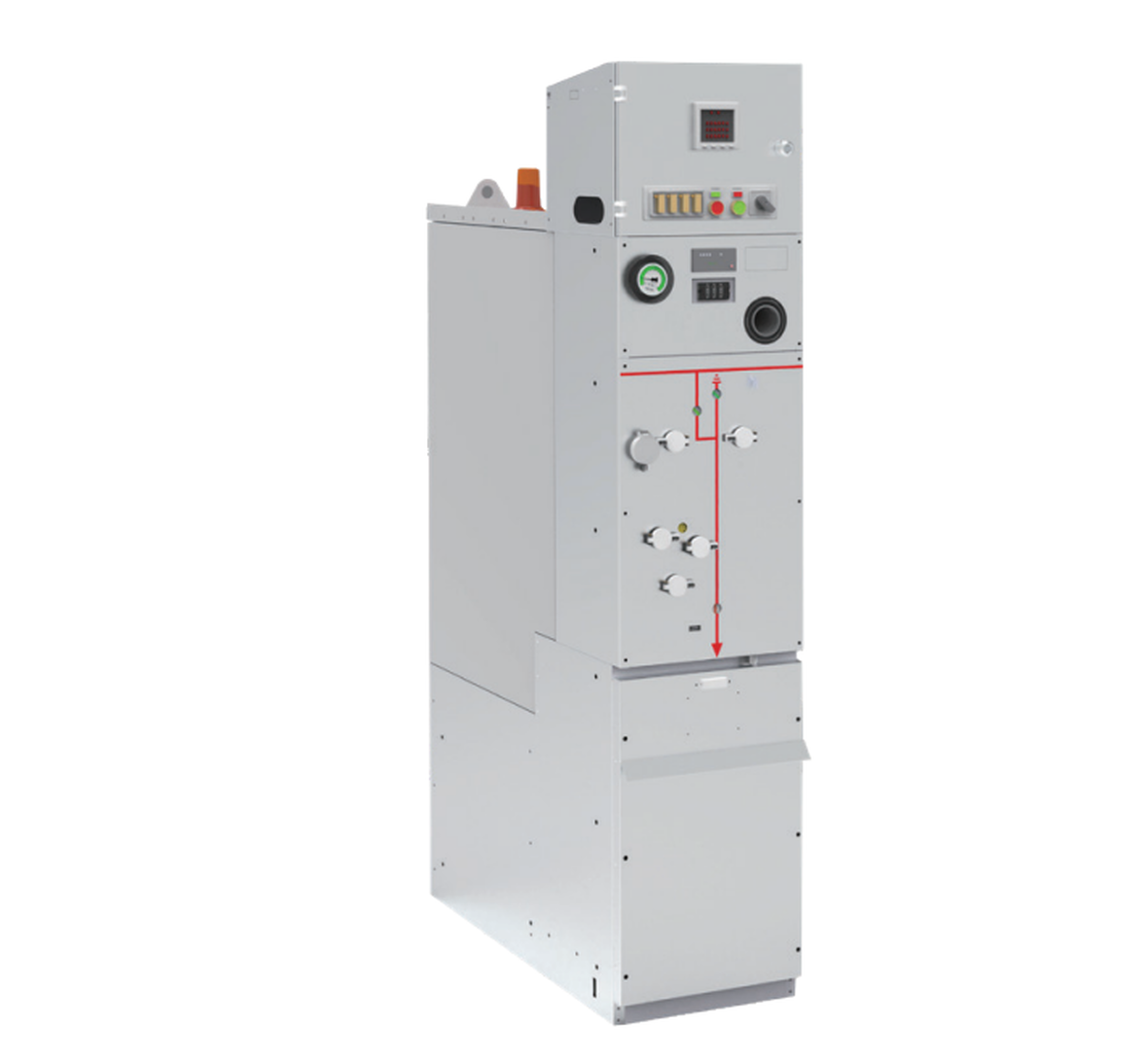
MAX-12 series Environmental Protection/SF6 gas insulated switchgear (C-GIS)
Murge Electric Co.,Ltd.
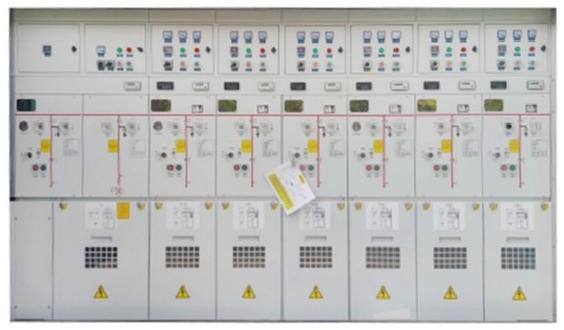
NISELA Series Environmentally Friendly Gas-Insulated Ring Main Unit
XJ DELISHIER ELECTRIC CO., LTD.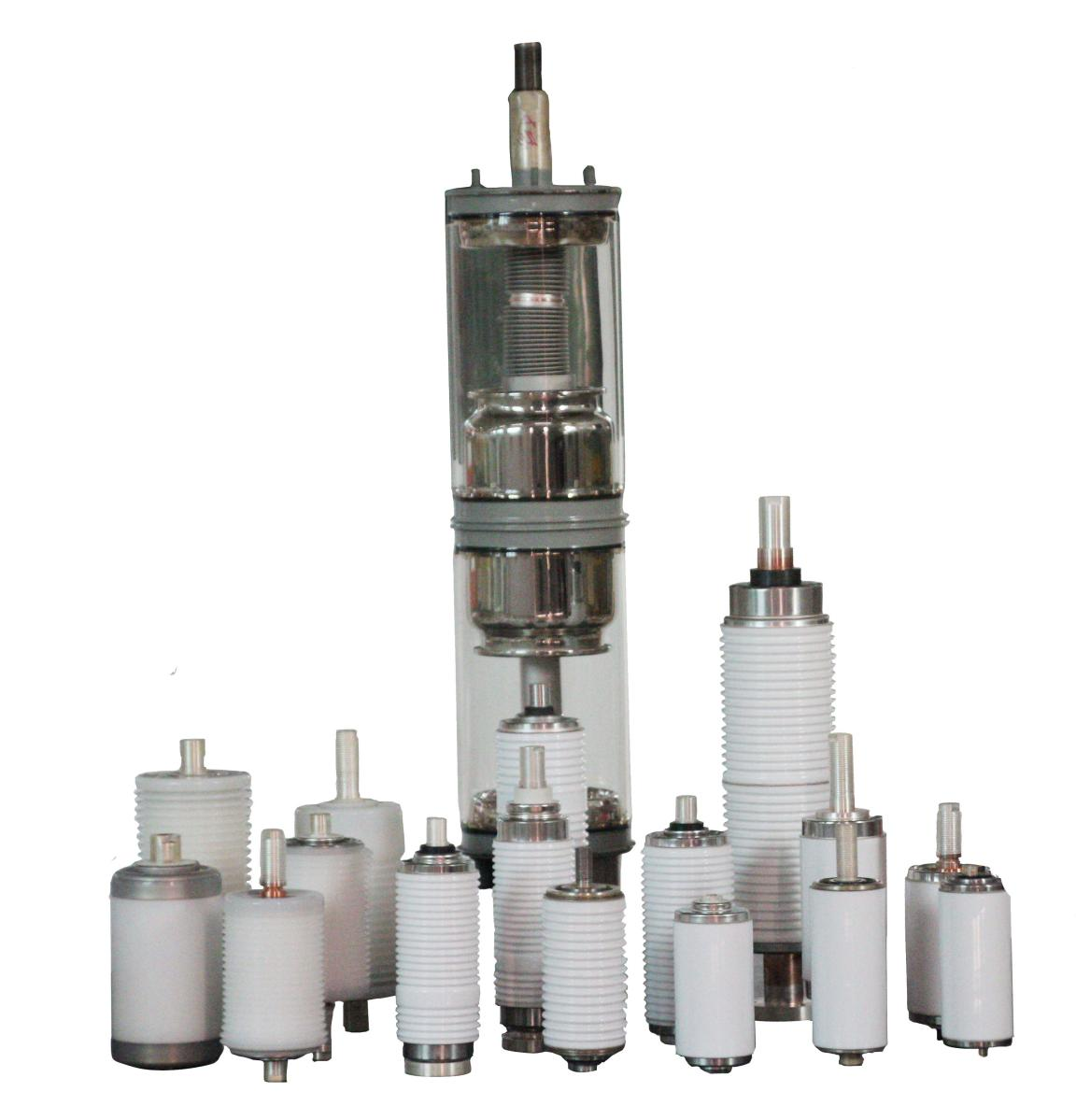
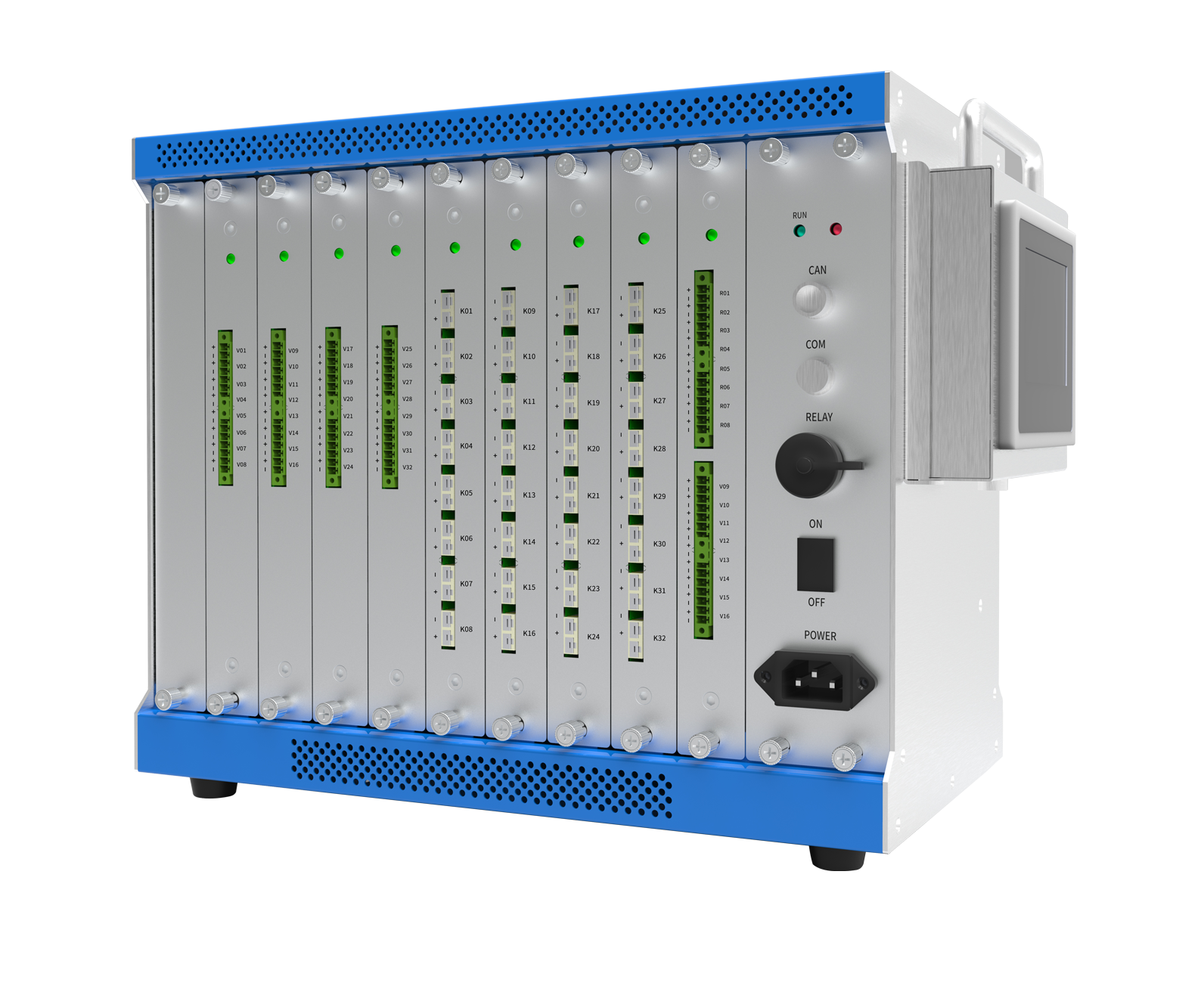
Optional Accessory - Auxiliary Sampling Module
Beijing Soaring Electric Technology Co., Ltd.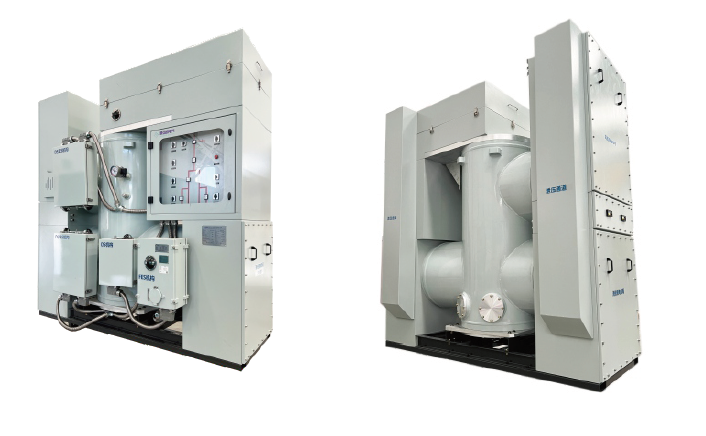
72.5kV 1250A 31.5kA SF6 free Gas-insulated Metal-enclosed Switchgear
Zhejiang Juhonkia Intelligent Electric Co., Ltd.
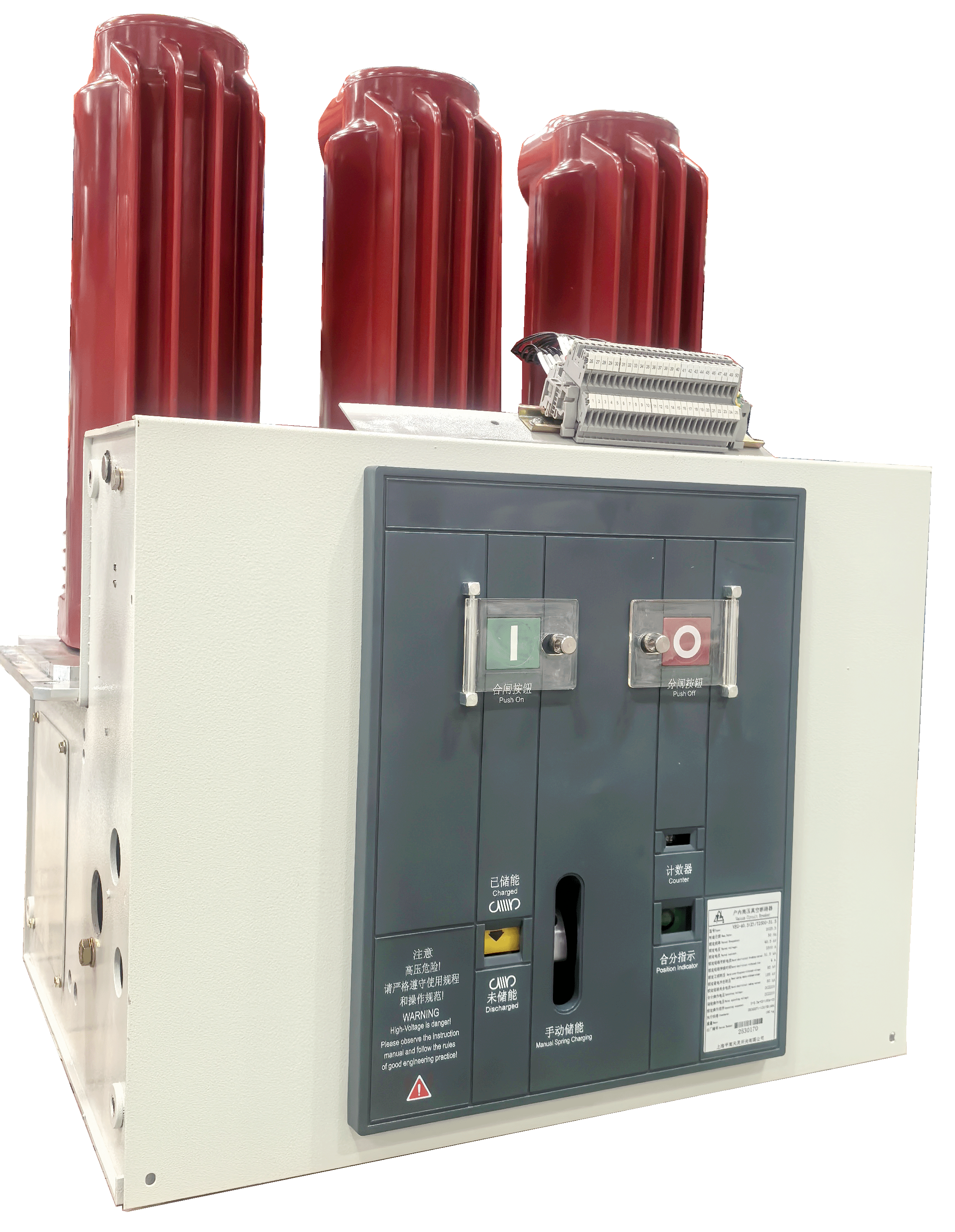
VEG-12/24/40.5 Series Vacuum Circuit Breaker
SHANGHAI PINGGAO TIANLING SWITCHGEAR CO., LTD.