Russia's Akademik Lomonosov 70 MW Floating Nuclear Power Plant Passes International Review
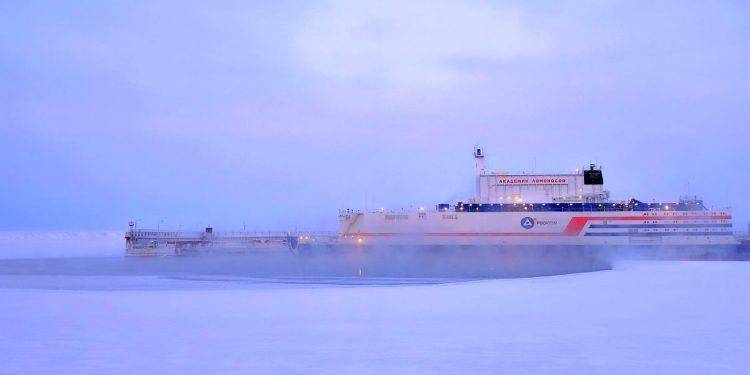
en.Wedoany.com Reported - The Akademik Lomonosov, considered the world's only operating floating nuclear power plant, has completed a new round of international review focusing on its operational and safety procedures. The assessment was conducted by experts from the World Association of Nuclear Operators (WANO) at the facility moored off the port of Pevek in Russia's Chukotka Peninsula. According to Rosatom, this review identified fewer outstanding issues than the 2022 inspection.
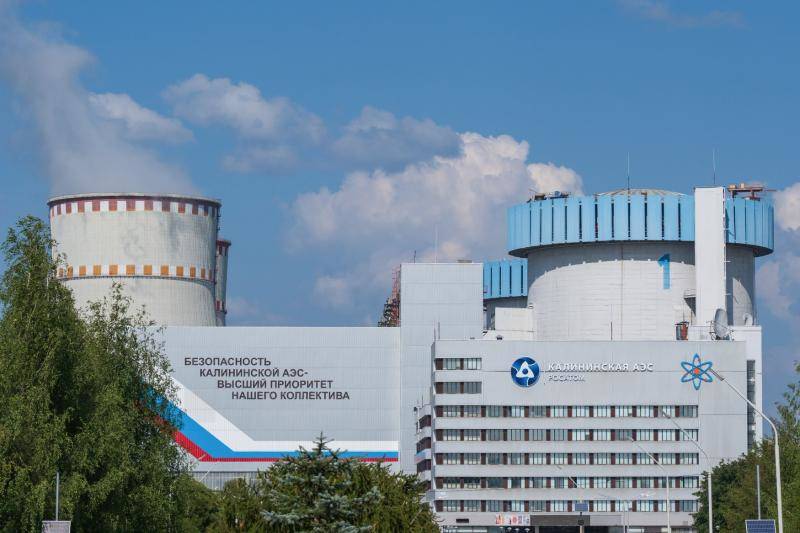
The review team, comprising thirteen experts, spent two weeks verifying internal organization, maintenance and repair, engineering support, radiation protection, emergency response, and operating experience. Rosatom stated that the international team focused on areas including organization and management, maintenance and repair, engineering support, radiation protection, operating experience, and emergency preparedness. Facility director Viktor Yelagin believes the review results place the floating nuclear power plant on par with Russia's best nuclear plants, such as the Balakovo and Kalinin nuclear power plants.
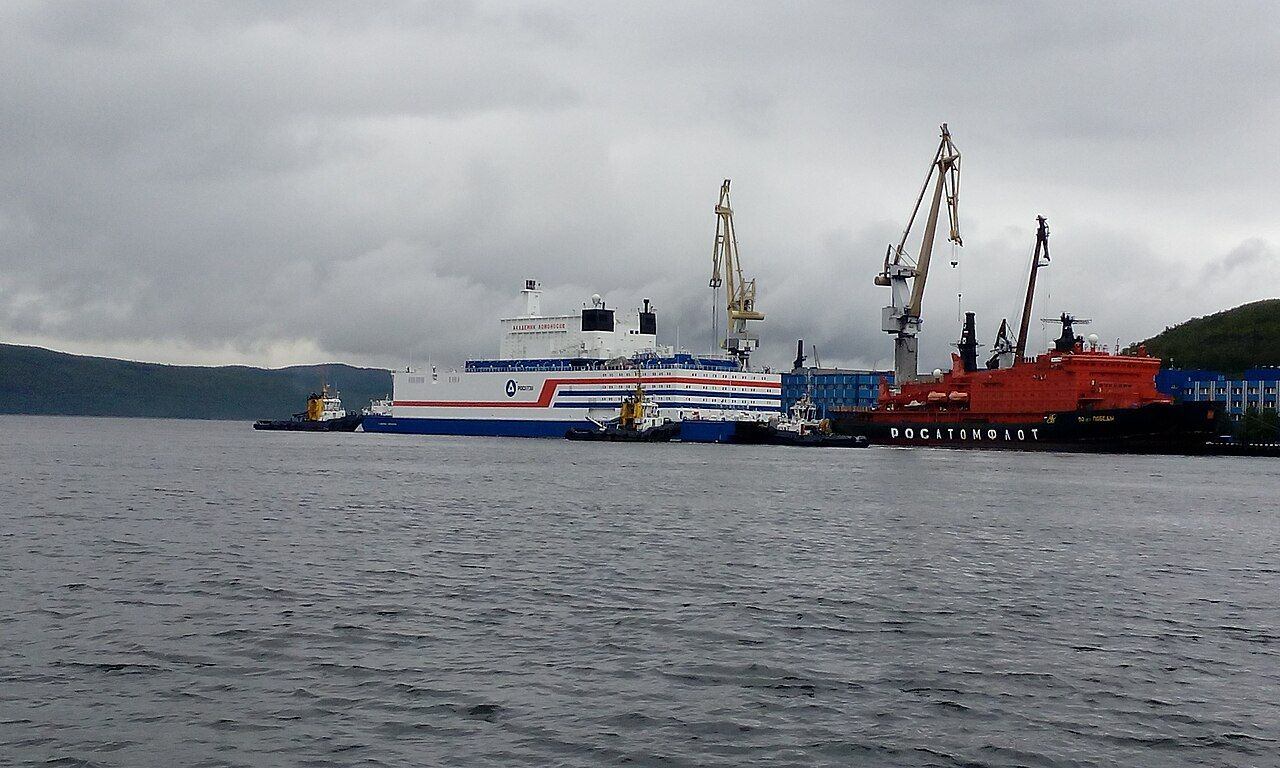
The floating nuclear power plant entered service in 2019. It is a steel barge without its own propulsion system, measuring 144 meters in length and 30 meters in width, with a displacement of nearly 21,500 tons. The platform houses two KLT-40S pressurized water reactors, a model derived from reactors used in Russian nuclear-powered icebreakers, each generating 35 MW of electrical power for a total of 70 MW. Currently, it supplies approximately 60% of the electricity demand in western Chukotka and adjacent areas of Yakutia, and also delivers thermal energy to Pevek's municipal heating network using heat generated by the steam system. The site was chosen because it is one of the most remote locations at the easternmost edge of the Arctic, where fossil fuel supply faces logistical difficulties.
The unit uses uranium fuel enriched to less than 20%, replaced every three to four years; the platform includes storage space for fresh fuel, irradiated fuel, and radioactive waste. The design service life is 40 years, with consideration given to extending operation subject to technical inspection approval.
Its construction began in 2007 at the Sevmash shipyard in Severodvinsk, and was later transferred to the Baltic Shipyard (Astillero Báltico) in Saint Petersburg for hull completion and reactor installation. In 2018, it was towed to Murmansk for nuclear fuel loading and initial testing; a year later, it arrived in Pevek via an Arctic route of approximately 5,000 kilometers.
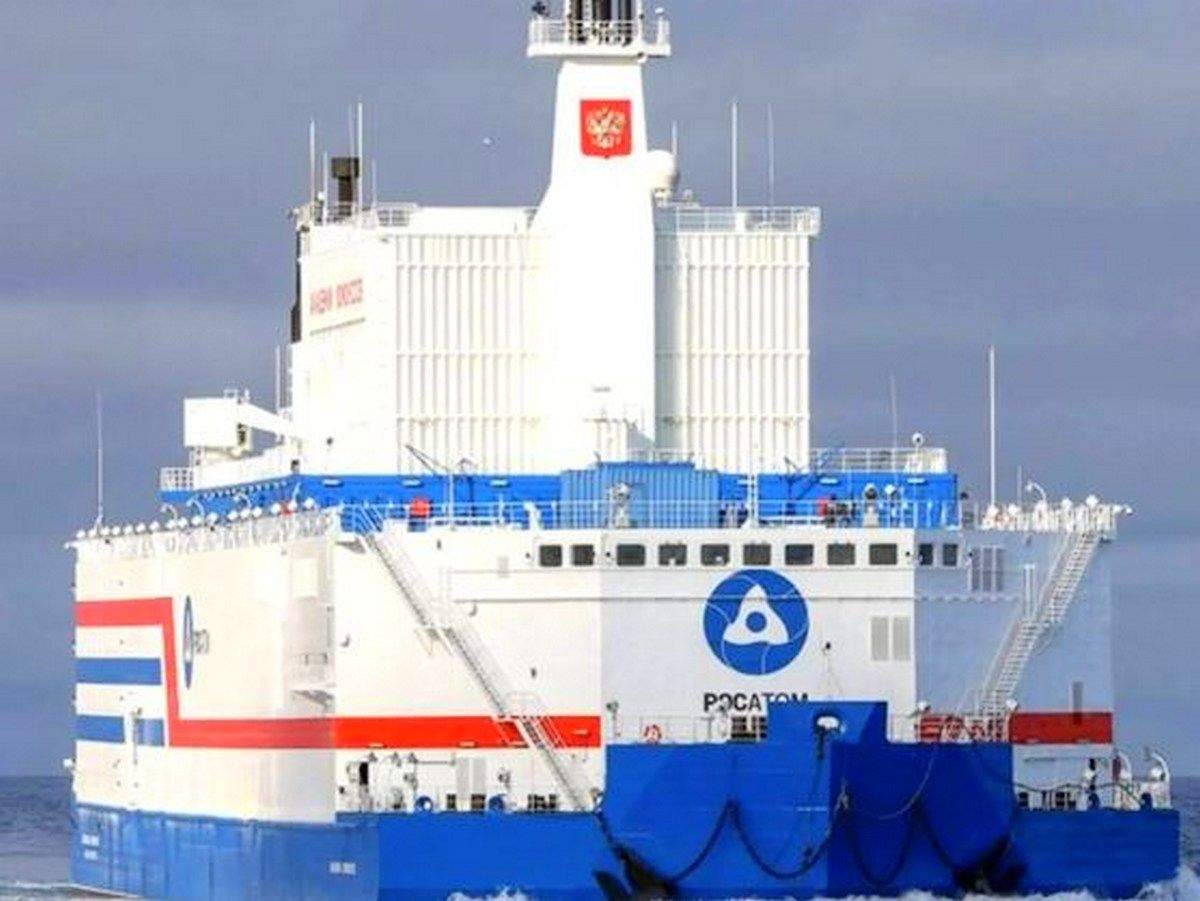
Unlike land-based nuclear plants, the systems on this floating platform must withstand storms, continuous wave action, corrosion, potential collisions, and towing operations. It also requires dedicated port infrastructure, as well as logistical preparations for shipping out spent fuel and radioactive waste from one of the most remote regions on Earth.
Rosatom is building four new floating nuclear power plants in Chukotka for a mining project. The first is scheduled to begin operation in 2028, with the entire project expected to be completed by 2031. Each platform is equipped with two reactors from the RITM-200 series, with an electrical output of approximately 106 MW; three of them will provide around 300 MW of electricity, while the fourth serves as backup during scheduled outages for maintenance and refueling. The hull of the first platform was built in China and arrived in Saint Petersburg in March 2026 for installation of Russian-made nuclear equipment. The company is also developing an export model with a minimum output of 100 MW and an expected service life of 60 years.
Related Products

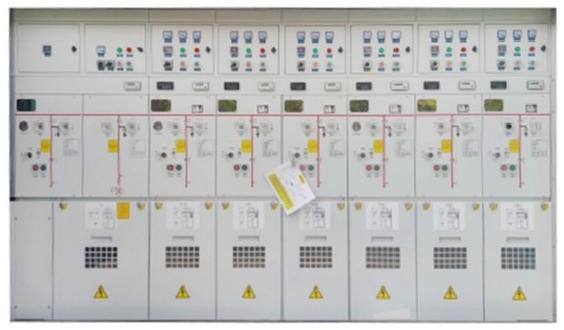
NISELA Series Environmentally Friendly Gas-Insulated Ring Main Unit
XJ DELISHIER ELECTRIC CO., LTD.
Microcomputer Protection and Substation Automation
Beijing Agent Devote Power Technology Development Co., Ltd.
Photovoltaic and Wind Power Generation Technology
Beijing Boqi Electric Power SCI-TECH Co., Ltd.
Environmentally Friendly Flame-retardant PVC Double-layer Insulated Wire
Sichuan Chndo Cable Co., Ltd.
MAX-12 series Environmental Protection/SF6 gas insulated switchgear (C-GIS)
Murge Electric Co.,Ltd.
H-40.5/0.4~1.14kV New Energy Power Generation Dedicated High Voltage/Low Voltage Prefabricated Substation
XJ (Xiamen) Intelligent Power Equipment Co., Ltd.