Westinghouse Expands Collaboration to Advance AP1000 and AP300 Reactor Deployment
en.Wedoany.com Reported - Westinghouse has announced an expanded partnership with engineering firm Amentum, bringing in additional engineering support to accelerate the large-scale deployment of its AP1000 large pressurized water reactors while advancing the AP300 small modular reactor (SMR) through the U.S. regulatory approval process.

The collaboration between the two companies centers on Westinghouse's APX technology platform, which provides a shared engineering foundation for both the AP1000 and AP300 reactor designs. Unlike many SMR vendors that are developing entirely new reactor designs from scratch, Westinghouse has built the AP300 on the commercially proven core technology of the AP1000, with the shared scope covering engineering systems, major components, fuel design, licensing strategy, and portions of the supply chain. This shared-platform approach is intended to avoid establishing separate industrial support ecosystems for each reactor type, while also enabling utility companies to make procurement decisions based on reactor technology with existing commercial operating experience, rather than betting on unproven new designs.
One of the newly signed agreements focuses on securing U.S. Nuclear Regulatory Commission (NRC) approval for the AP300. Amentum will provide the engineering work required for the licensing process, a critical step before the reactor can enter the commercial market. Westinghouse President and CEO Dan Sumner said the company will continue to invest in the APX platform as the foundation of its future reactor portfolio. "We will continue to invest to strengthen our proven APX platform," Sumner said. He added that Amentum's involvement is expected to accelerate the AP300's NRC licensing timeline while also strengthening engineering support for large reactor projects.
The partnership also extends to Westinghouse's AP1000 reactor. Westinghouse is positioning this gigawatt-class design as a repeatable product for markets planning to add new nuclear capacity. Amentum will contribute engineering resources and technical expertise to strengthen AP1000 project execution capabilities. Westinghouse expects the additional engineering capacity to support a more consistent delivery cadence as multiple countries seek to build larger reactor fleets. The AP1000 has achieved commercial operation, providing Westinghouse with a mature technology foundation; the AP300 applies the same design principles to customers with lower power capacity needs who are reluctant to shift to a completely different reactor architecture.
Data centers, artificial intelligence infrastructure, and industrial expansion are driving up electricity demand, making round-the-clock reliable power a priority. Nuclear developers are positioning both traditional large reactors and modular SMRs as potential pathways to meet long-term energy needs. Amentum CEO John Heller said the company supports nuclear projects across the entire project lifecycle and expects demand for reliable baseload power to continue growing. "The global market for reliable baseload power is expanding," Heller said. He added that the collaboration with Westinghouse will help meet the electricity demands of AI and other energy-intensive industries.
The two companies have collaborated on nuclear projects for years, spanning power generation and decommissioning projects in the United States, the United Kingdom, Poland, Slovakia, Lithuania, and South Africa. This expanded collaboration advances the relationship to the next phase, in which Westinghouse's large reactor business and the AP300 design develop in tandem.
Related Products


Hydraulic Turbine Genset
Dongfang Electric Corporation Dongfang Electric Machinery Co., Ltd.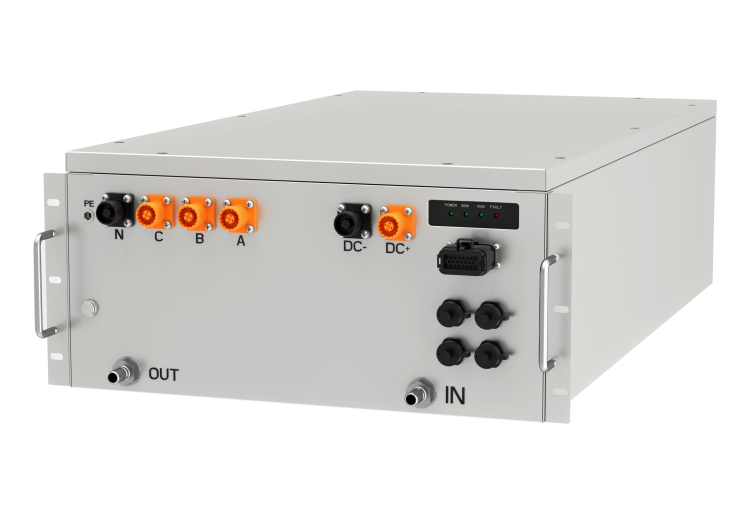
Mars (Liquid Cooling) Series Industrial and Commercial Energy Storage Converter High Protection Module
Shenzhen Winline Technology Co., Ltd.
Electromagnetic Fluid Seawater Floating Oil Separation and Recover Equipment
Huate Magnet Group Co., Ltd.
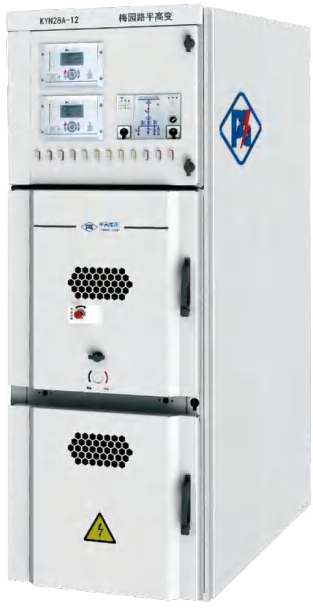
KYN28A-12 Metal Armored Removable Switchgear
Tianjin Ping Gao Intelligent Electric Co., Ltd.