Indonesia's captive coal-fired power capacity reaches 25.9 GW in 2024
en.Wedoany.com Reported - In 2025, Indonesian President Prabowo Subianto announced that the country would be fully powered by renewable energy within 10 years. This goal faces a complex variable: captive coal-fired power plants supplying industrial facilities. Each new plant of this type represents a loophole in Indonesia's energy transition agenda.
In 2022, then-President Joko Widodo signed a presidential regulation banning new coal-fired power plants connected to the national grid, aiming to reduce national emissions. The regulation included two exceptions: approved new coal plants could still be built, and new coal plants supporting strategic industrial projects (such as nickel processing) could be approved, provided they reduce emissions by at least 35% within 10 years of operation and shut down by 2050. The Prabowo administration retained both conditions. In November 2025, during public consultations on amending the regulation, multiple media outlets reported that the government also proposed additional exemptions for new coal plants needed to maintain system reliability and energy independence.
According to a 2025 study by the Just Energy Transition Partnership (JETP), Indonesia's operating captive power capacity in 2024 stood at 25.9 GW, with over 75% based on coal; when including projects under construction and planned, this figure rises to 36.7 GW. Of the 4.6 GW of planned captive capacity, 3.1 GW is coal-fired. JETP aims to support developing countries in transitioning to cleaner energy, striving to be as equitable as possible, with funding initially provided by a group of countries including Canada, Denmark, France, Germany, Italy, Japan, Norway, the Netherlands, the United Kingdom, and the United States. The first JETP was announced at COP26 in 2021 for South Africa, with Indonesia, Vietnam, and Senegal subsequently establishing similar mechanisms.
Elvita Trisnawati, a researcher at the Indonesian Center of Environmental Law, noted that large-scale independent captive coal plants in the private sector operate outside official planning frameworks. She told Dialogue Earth that this is precisely "the 'anomalous specter' in the energy transition—a loophole."
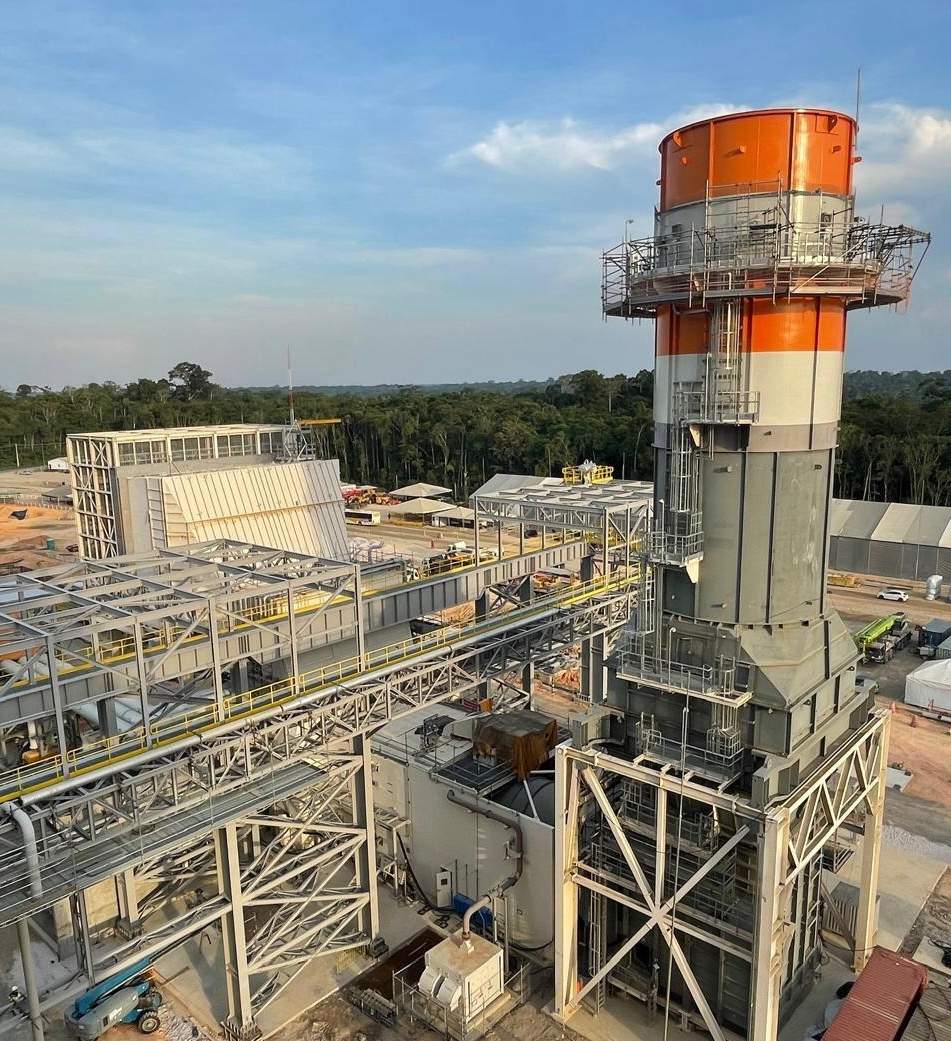
Captive coal plants operate entirely off-grid and are privately run, falling outside public power planning frameworks such as Indonesia's Electricity Supply Business Plan (RUPTL). The RUPTL, jointly issued by state utility Perusahaan Listrik Negara (PLN) and the Ministry of Energy and Mineral Resources, is a 10-year strategy for national grid supply. Captive generation appears in Indonesia's 2024-2060 National Electricity Master Plan (RUKN). In an October 2025 report, non-profit energy think tank Ember stated that the RUKN plans to add over 16 GW of captive coal capacity for mineral processing purposes by 2031, which would push Indonesia's captive coal capacity beyond 32 GW within seven years—exceeding Vietnam's total coal capacity of 27.2 GW in 2024, the second-largest coal-fired power country in Southeast Asia.
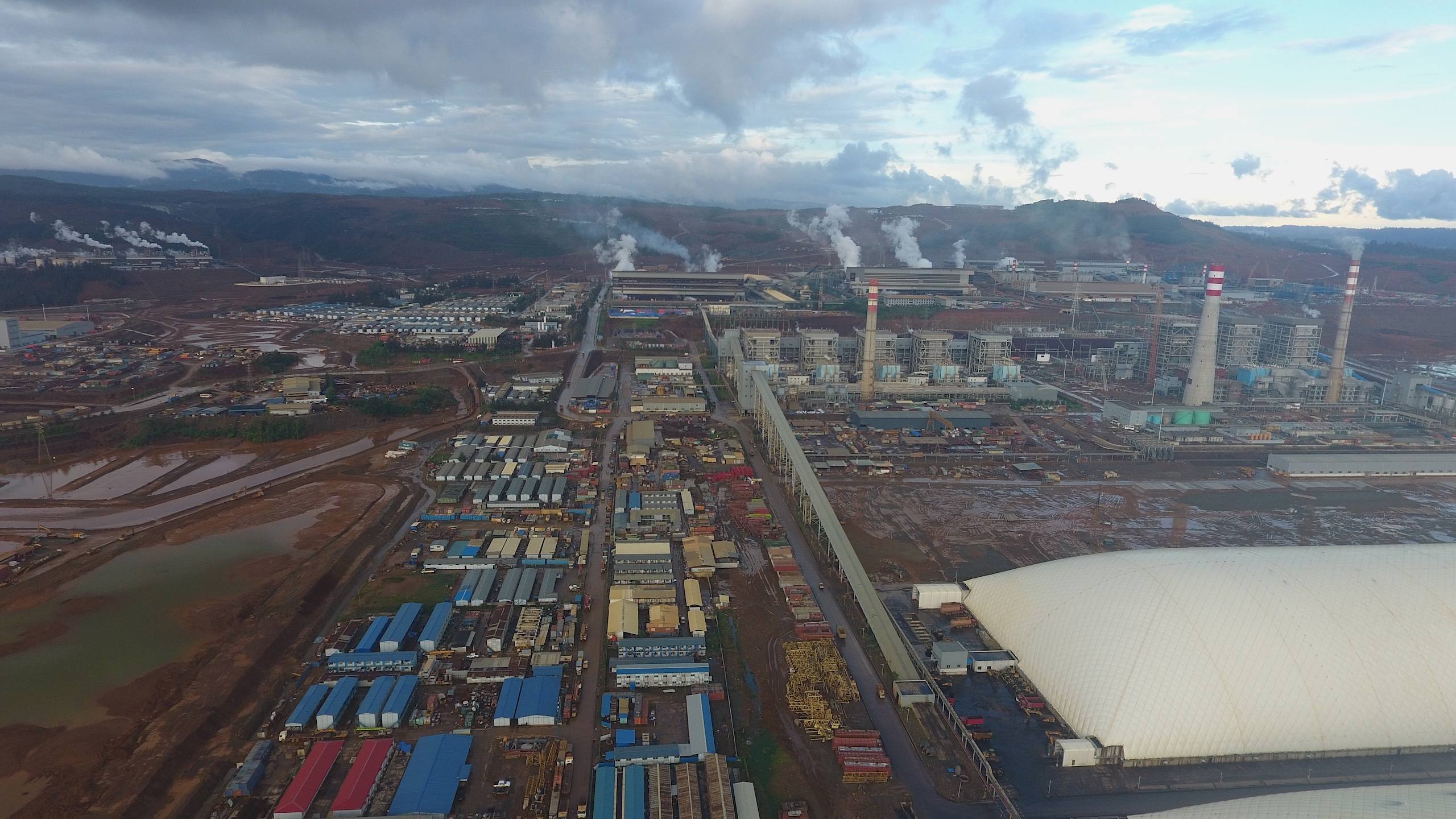
Captive generation is highly concentrated in the mining and nickel sectors, driven by Indonesia's "downstreaming" (hilirisasi) policy. This policy led Indonesia to ban nickel ore exports in 2020, pushing companies to produce higher-value intermediate products such as ferronickel. The 2025 JETP study shows that mining-dominated regions have the highest operating captive capacity, with Sulawesi reaching 10.5 GW and Maluku ranking third at 4.5 GW.
Central Sulawesi Province hosts the Indonesia Morowali Industrial Park (IMIP), a joint venture between China's Tsingshan Group and Indonesia's Bintang Delapan Group and Sulawesi Mining Investment. North Maluku Province hosts the Indonesia Weda Bay Industrial Park (IWIP), supported by Chinese investors Tsingshan Group, Huayou Holding Group, and Zhenshi Holding Group. Electricity distribution issues are among the reasons smelters and industrial parks are permitted to build captive power plants.
Haykal Hubeis, Secretary General of the Indonesian Smelter and Refining Enterprises Association (AP3I), told Dialogue Earth: "In the industrial zones where these smelters operate, we actually face limitations in national electricity supply." He added that coal plants are better suited to maintaining operations: "It's not just because it's cheap, but because of the reliability, availability, and readiness of the technology to meet 24-hour operational demands."
The JETP study acknowledges that coal "is perceived as the most cost-effective, timely, and stable source of electricity supply, particularly for industrial facilities that lack adequate access to the PLN grid system, have high and stable electricity demand, and face significant cost competition." The study also notes that with growing global government and industry demands for supply chain sustainability, the growth of captive coal generation poses market and financial risks to Indonesian industry beyond environmental damage and climate impacts, potentially jeopardizing Indonesia's competitiveness in global export markets and its ability to attract foreign direct investment (FDI) requiring cleaner supply chains. Dialogue Earth contacted the JETP executive unit, which referred to the aforementioned 2025 report; the Ministry of Energy and Mineral Resources was contacted but did not respond.
Some industrial parks have begun aligning with the government's 2060 greenhouse gas net-zero emissions target. IMIP spokesperson Dedy Kurniawan told Dialogue Earth that a solar power plant has been built within the park, alongside a coal-fired cogeneration plant that produces both electricity and industrial steam. IMIP conducted a renewable energy feasibility study in 2022, began construction of a 1.27 MW peak solar plant the following year, and achieved full operation in 2024. Kurniawan stated that these solar plants serve "as supplementary energy, not as a primary replacement."
Kurniawan said: "IMIP recognizes that the energy transition is not only a strategic choice but a necessity, both for environmental sustainability and long-term industrial competitiveness. Furthermore, once renewable energy comes into operation, costs will also decline, including minimizing the carbon tax currently generated."
Dwi Cahya Agung Saputra, Power Systems and Renewable Energy Manager at the Jakarta-based energy think tank Institute for Essential Services Reform (IESR), stated that there is no single solution for transitioning to renewable energy. In its February 2026 report "Beyond Industrial Coal," IESR stated that Indonesian companies with older captive fossil fuel plants have begun switching to the PLN grid to reduce operating costs and obtain cleaner electricity. In Riau Province, the palm oil and pulp industries have the potential to convert organic waste into baseload energy, reducing methane emissions.
The IESR report also identified problems. Industrial operations integrated with the grid could reinvest savings into building renewable energy generation capacity, but for ground-mounted solar power, PLN's parallel operation fee (biaya operasi paralel) is calculated at a fixed monthly rate that may exceed the actual output of a given solar installation. Renewable energy adoption is therefore currently "limited to small-scale off-grid applications for monitoring and 'green branding,' rather than substantive electricity substitution." Regarding organic waste baseload energy, the report states that the national investment roadmap lacks "concrete strategies," creating "significant uncertainty" for investors, while local governments emphasize the urgent need for regulatory revisions to align central policies with Riau's unique biomass-driven decarbonization potential.
Kurniawan noted that to provide large-scale, round-the-clock electricity, the energy transition requires substantial initial investment, particularly in supporting infrastructure such as energy storage. He believes the government should formulate a policy that accounts for the full costs borne by industry and identifies gaps and mismatches in energy transition investment.
IESR's Saputra stated that the government should begin restricting captive coal by 2030, or at least well before 2050, to achieve net-zero emission targets. He said: "If everyone continues to rely on fossil fuels, if fossil fuel use is allowed to continue beyond 2030, then the transition to renewable energy will become much more difficult."
Related Products
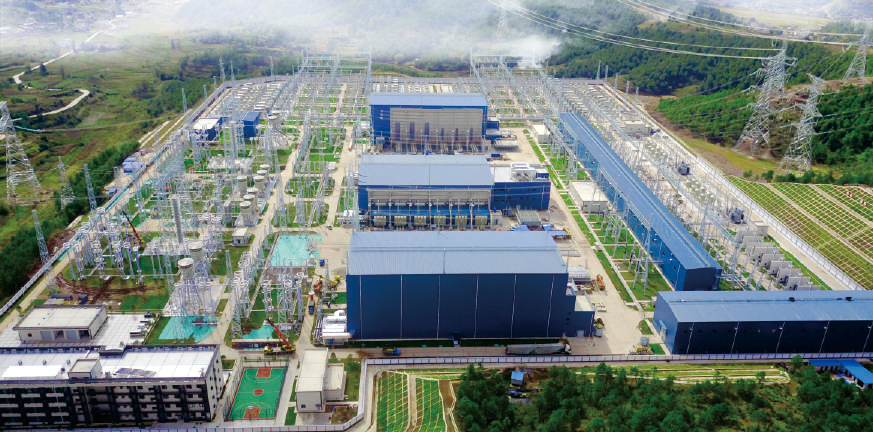

High-voltage Direct Current (HVDC) Transmission System Research and Integrated Design
XI'AN XD POWER SYSTEMS CO., LTD.
Hydraulic Turbine Genset
Dongfang Electric Corporation Dongfang Electric Machinery Co., Ltd.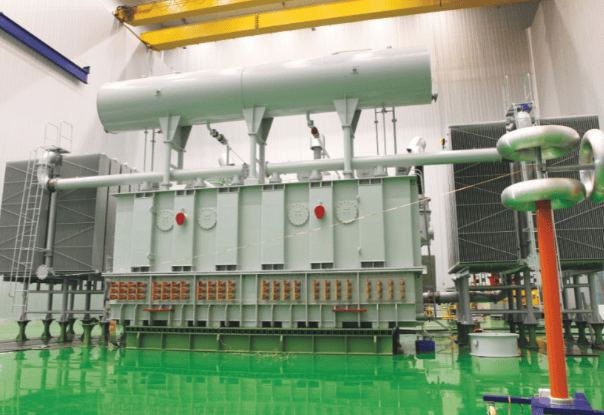
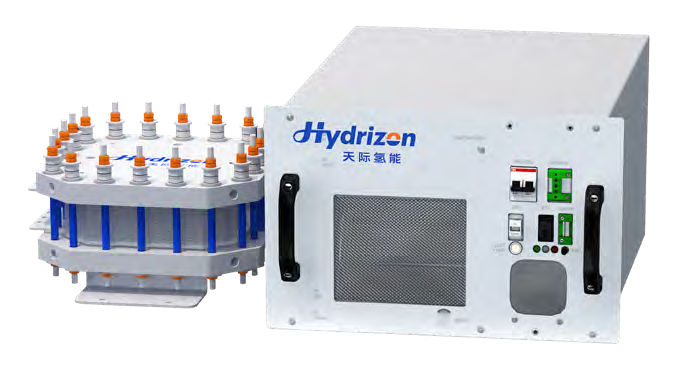
HI-Pro Green Hydrogen High-efficiency Production System-HI-PRO-AEM
Hydrizon Technology (Beijing) Co., Ltd.
Bidirectional Metal Hard Sealed Seawater Butterfly Valve
Henan Quanshun Flow Control Science & Technology Co., Ltd.