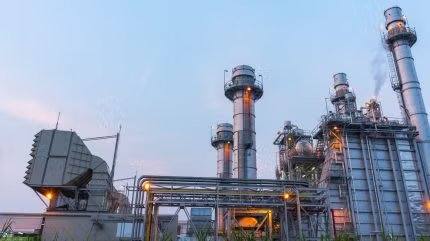
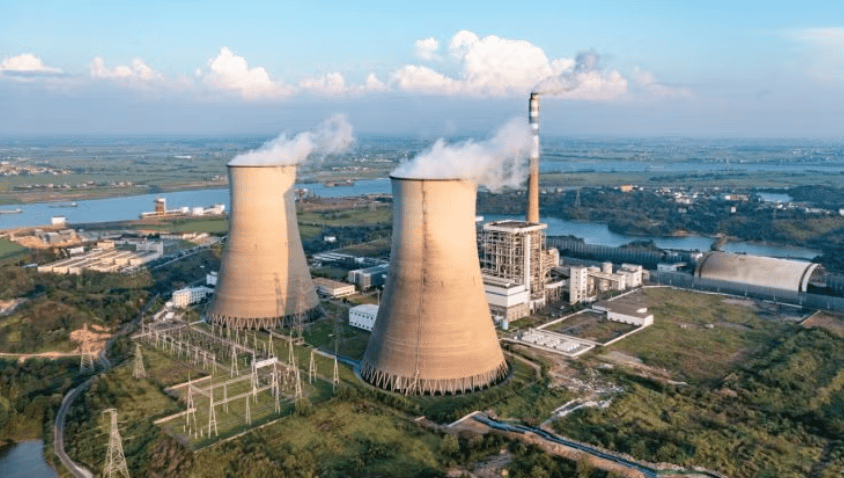
GE Vernova Configures Custom Grid Stabilization System for Brazil's Azulão I Power Plant
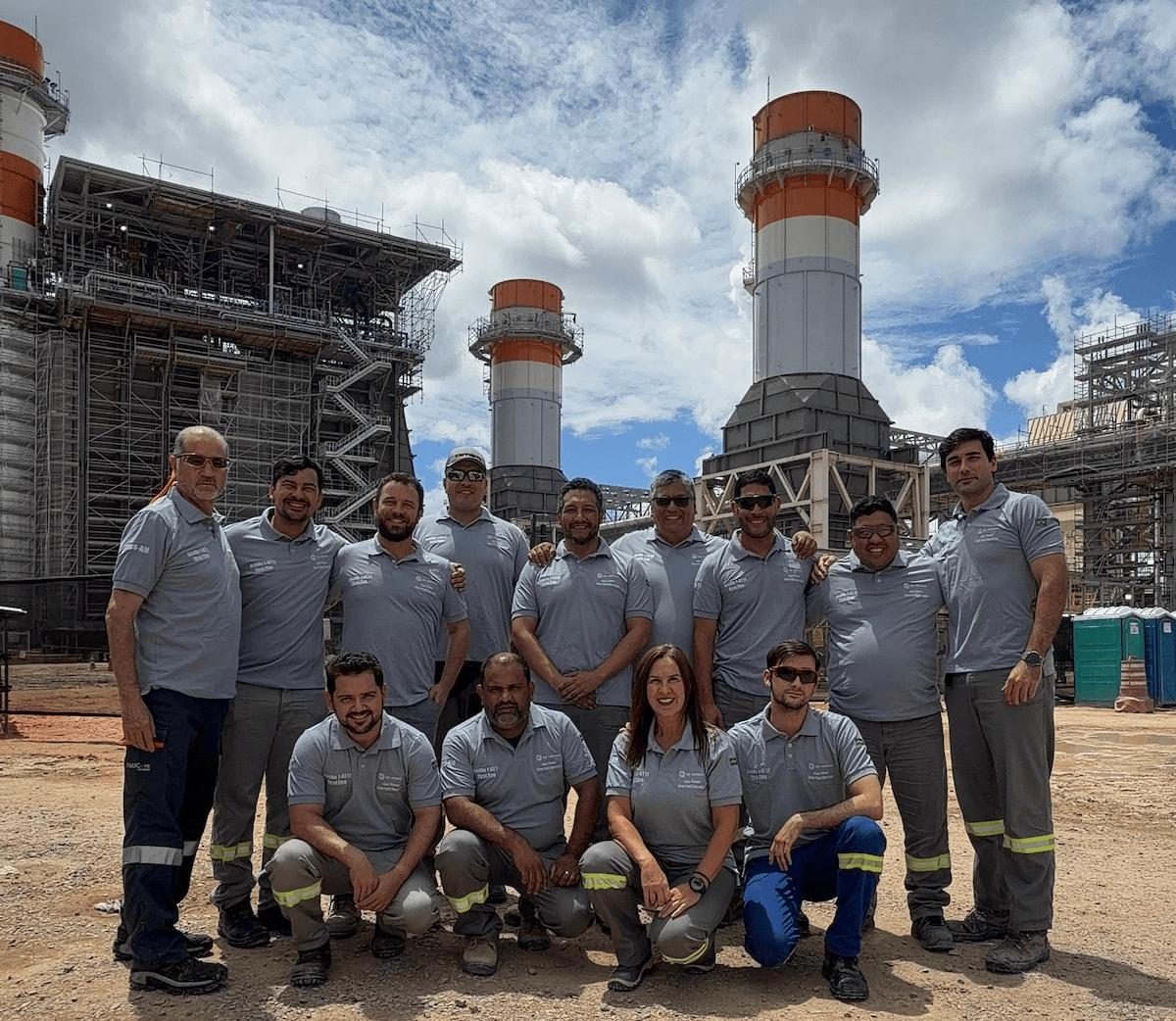
en.Wedoany.com Reported - On September 21, GE Vernova disclosed the grid stabilization technology solution it configured for Brazil's Azulão I gas-fired thermal power plant. The project was developed by Brazilian energy company Eneva, with an installed capacity of 295 MW, and entered commercial operation in August of this year. To connect to the approximately 1,850-kilometer Tucuruí—Macapá—Manaus transmission corridor, GE Vernova identified subsynchronous resonance risks during preliminary grid analysis for the project and designed a custom blocking filter and associated protection scheme for the generating units.
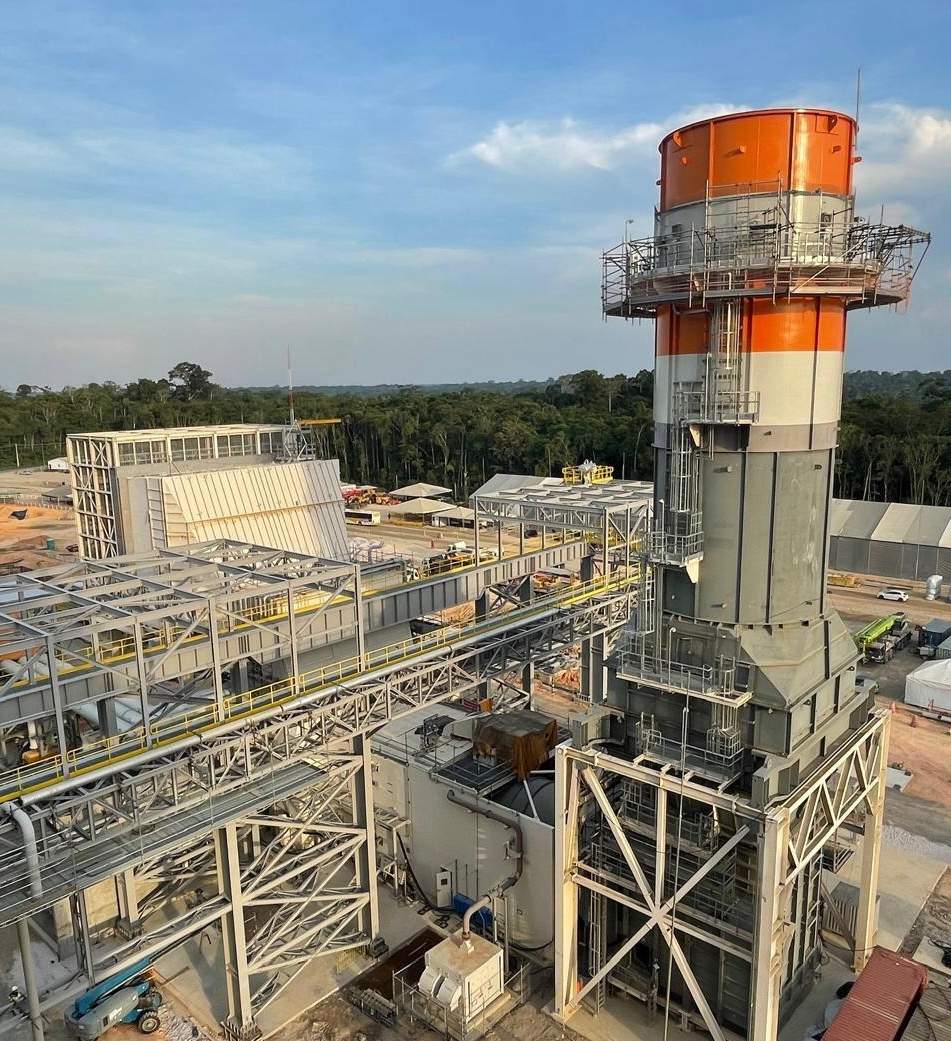
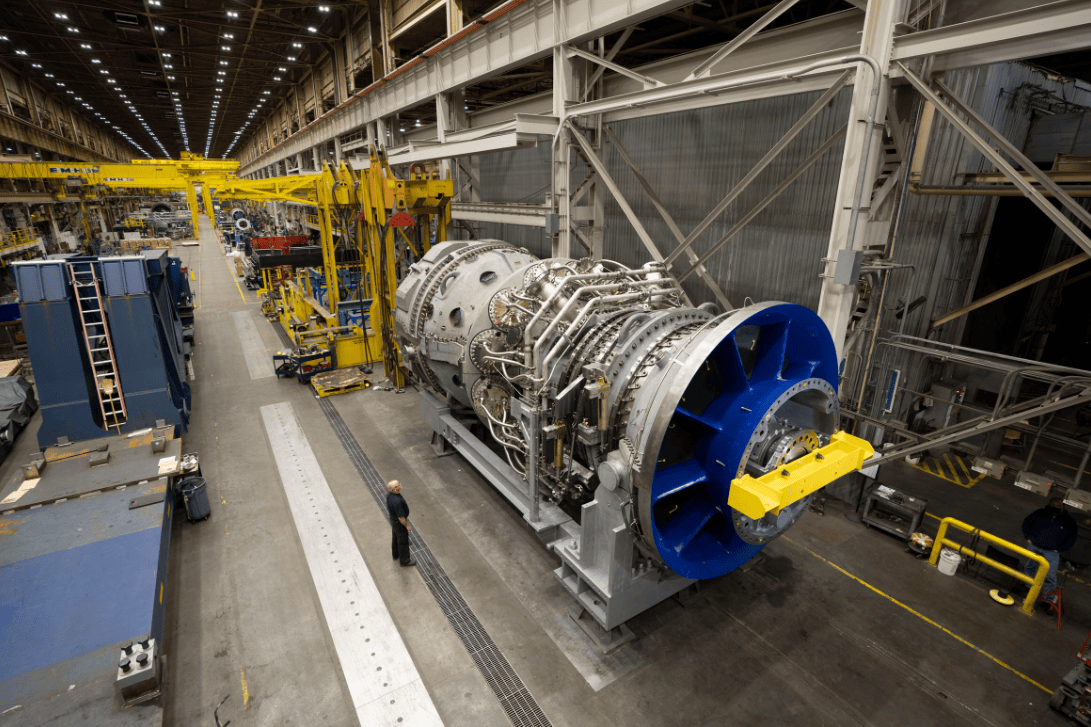
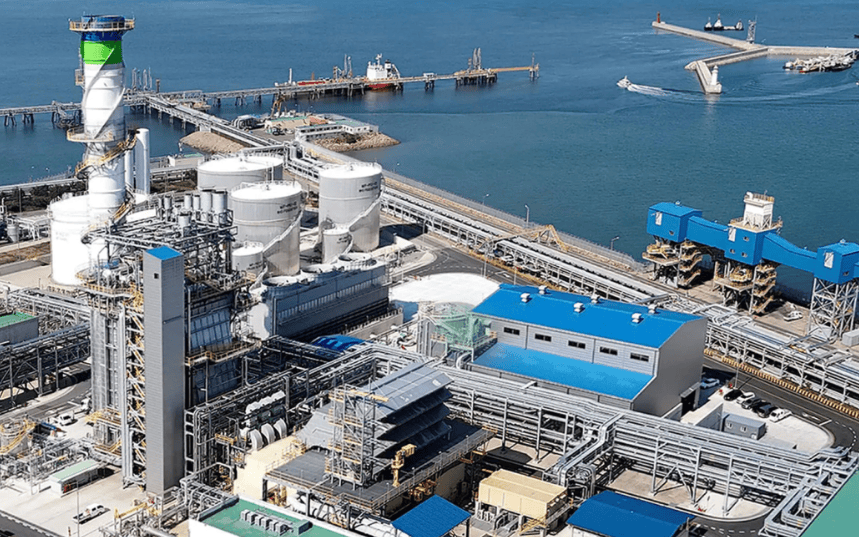
Azulão I is located in Silves, Amazonas State, Brazil, approximately 330 kilometers from Manaus, and is Phase I of the Eneva Azulão gas-fired power generation complex. The plant uses GE Vernova's 7HA.02 H-class gas turbine and H65 generator, and has contracted to provide up to 295 MW of dispatchable capacity to Brazil's National Interconnected System under a 15-year contract. The project began commercial operation on August 19, 2026, marking the completion of Phase I construction of the Azulão complex.
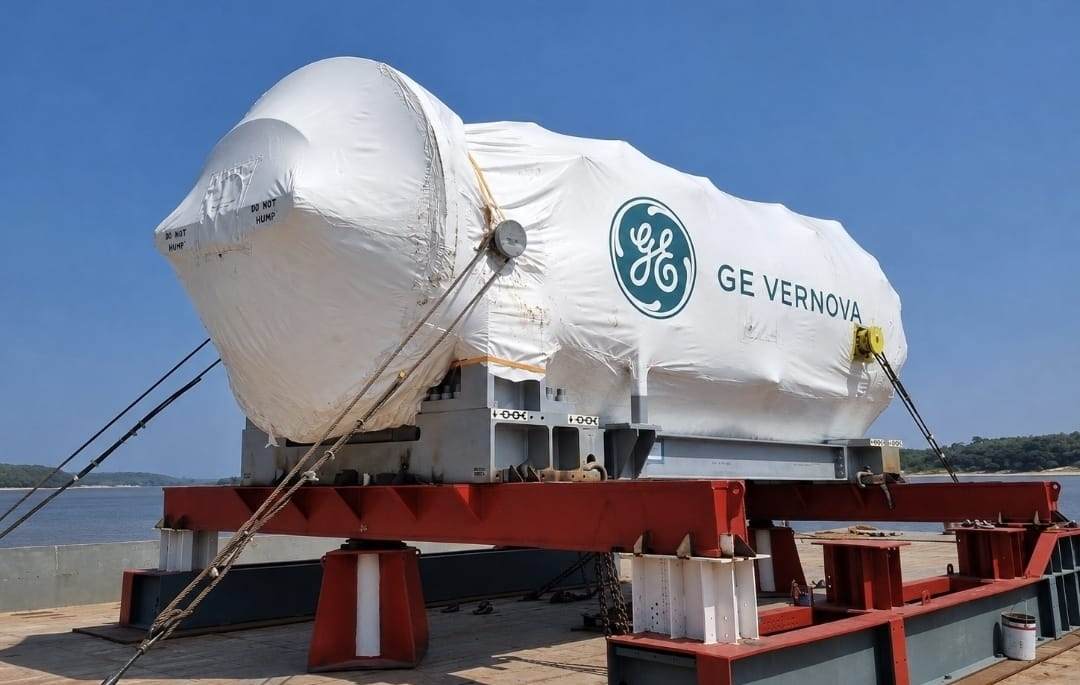
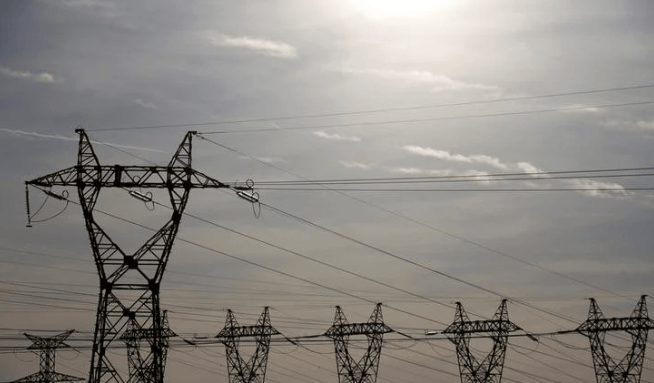
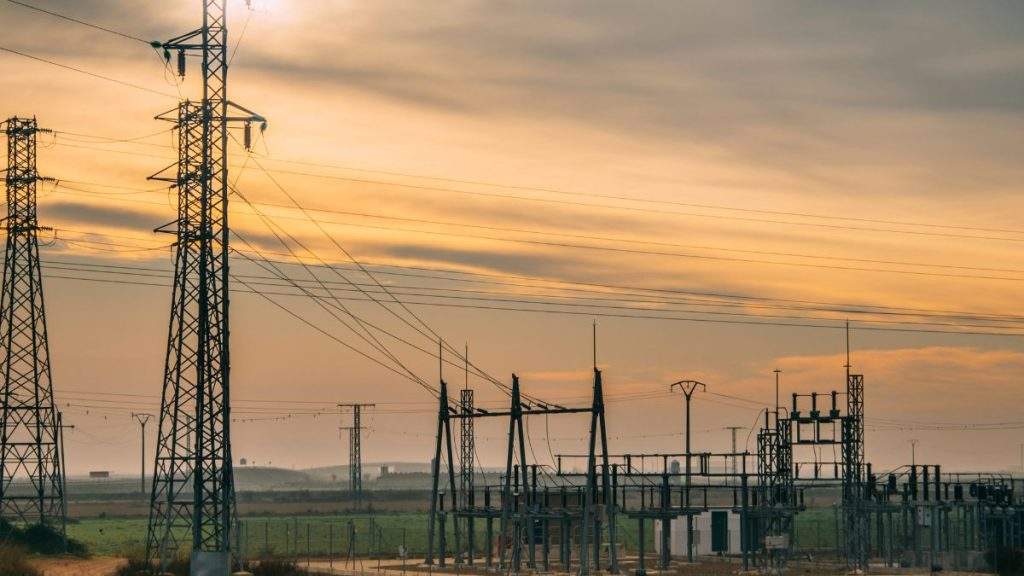
The Tucuruí—Macapá—Manaus transmission corridor to which Azulão I is connected spans the Amazon region, with series capacitors installed on the line to enhance long-distance transmission capacity. During the project's grid modeling process, GE Vernova analyzed different capacitor configurations, equipment maintenance scenarios, and system fault conditions, and confirmed that conventional solutions could not cover the specific resonance frequencies that could form between the generating units and the transmission network. Therefore, a dedicated blocking filter was developed for the 7HA.02 gas turbine generator set, with the equipment installed on the generator output path.
The solution also includes torsional stress relay protection, with engineering integration completed before the units entered commercial operation. GE Vernova also developed specialized operating procedures based on different operating and maintenance states of surrounding transmission equipment to adjust the units' operating modes under different grid topologies. These procedures have been applied to the commissioning and testing of the first units, and similar assessments are currently being advanced for the subsequent two units.
In this project, GE Vernova simultaneously undertook gas turbine power generation equipment, grid stability analysis, and system integration work, with its gas power, electrification, and consulting services teams jointly participating in the design. The two parties also signed a long-term service agreement, under which GE Vernova will continue to provide services for Azulão I over the next 15 years, from equipment engineering and installation to operation and maintenance.
Azulão I is the first phase of the Eneva Azulão complex. Upon completion of the adjacent Azulão II, the entire complex is planned to have an installed capacity of up to approximately 950 MW. GE Vernova disclosed that all units of the complex are scheduled to enter commercial operation in the first quarter of 2027. Azulão II was previously confirmed to adopt a combined cycle system consisting of a 7HA.02 gas turbine, STF-A650 steam turbine, H65 and H53 generators, and a triple-pressure reheat heat recovery steam generator.
Related Products


GW4-40.5/72.5/126/145/170/252/363/420 Series Double-column Horizontal Rotary High-voltage AC Disconnect Switch
SHANDONG TAIKAI DISCONNECTORS CO., LTD.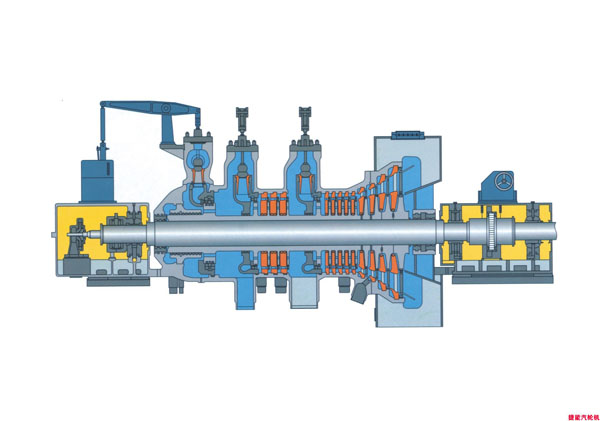
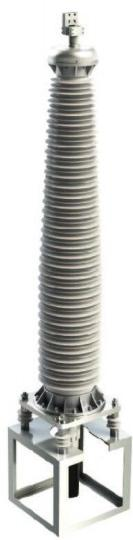
220kV Composite Outdoor Cable Terminal
Shenyang Guolian Cable Accessories Manufacture Co., Ltd.
Oil-immersed Amorphous Alloy Core Distribution Transformer
Pinggao Group Smart Electric Co., Ltd.