China's South-to-North Water Diversion Middle Route surpasses 80 billion cubic meters in water transfer
en.Wedoany.com Reported - As of the 7th, the cumulative water transfer via the middle route of the South-to-North Water Diversion Project has exceeded 80 billion cubic meters, benefiting nearly 118 million people in Henan, Hebei, Tianjin, and Beijing, and providing strong water resource support for the economic and social development of 243 counties (cities, districts) across 27 large and medium-sized cities along the route.
Since its operation nearly 12 years ago, the middle route of the South-to-North Water Diversion Project has played a significant role in optimizing water resource allocation, ensuring drinking water safety for residents, revitalizing river and lake ecosystems, and smoothing the economic cycle between the south and north, providing solid support for national water security.
Since the project began operation, water supply has grown steadily, the scope of receiving areas has continuously expanded, and the water supply pattern has undergone fundamental changes. "Southern water" accounts for nearly 80% of water use in Beijing's central urban areas, almost all of Tianjin's main urban area water supply comes from the South-to-North Water Diversion, and Hebei's water-receiving population accounts for about 70% of the province's total population. Regions along the route have continued to advance integrated urban-rural water supply, significantly improving drinking water conditions for rural residents.
In terms of water quality, the water from the middle route of the South-to-North Water Diversion has consistently met the Class II or above standard for surface water, bringing high-quality, flowing water to residents along the route. The peach blossom jellyfish, known as the "giant panda in water" for its extreme sensitivity to water quality, has appeared frequently in recent years.
Through ecological water replenishment, the long-term trend of declining groundwater levels in the North China Plain has been fundamentally reversed. Fifty rivers, including the Fuyang River, Qili River, and Hutuo River, have been fully connected, the Yongding River has maintained year-round water flow for consecutive years, and the ecological environment of rivers and lakes in North China has continued to improve.
Furthermore, the middle route of the South-to-North Water Diversion Project has enhanced the water resource carrying capacity of receiving areas, providing critical water source support for drought resistance, irrigation protection, and food security, while also offering broad space for urban development and industrial layout optimization.
Related Products

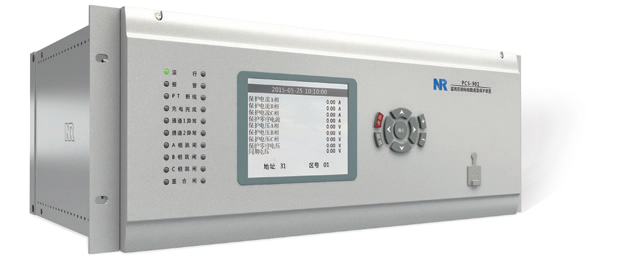
PCS-901 Series Ultra (Extra) High-voltage Transmission Line Complete Protection Device
Nanjing NR Electric Co., Ltd.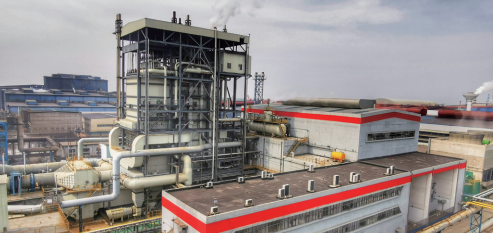
Jiujiang Pinggang 125MW Subcritical Gas Power Generation Project
Capital Engineering & Research Incorporation Limited
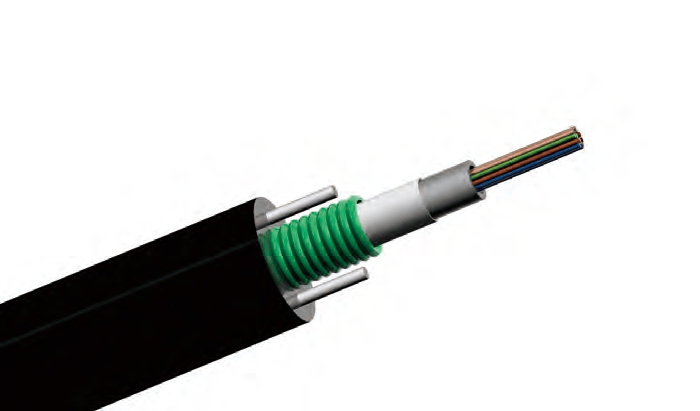
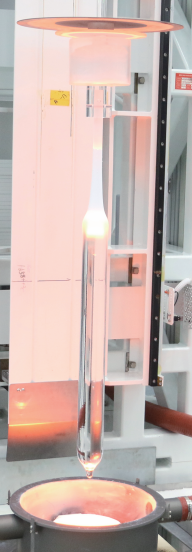
G.652.D Wavelength-extended Non-dispersion Shifted Single-mode Optical Fiber
HONGAN GROUP CO., LTD.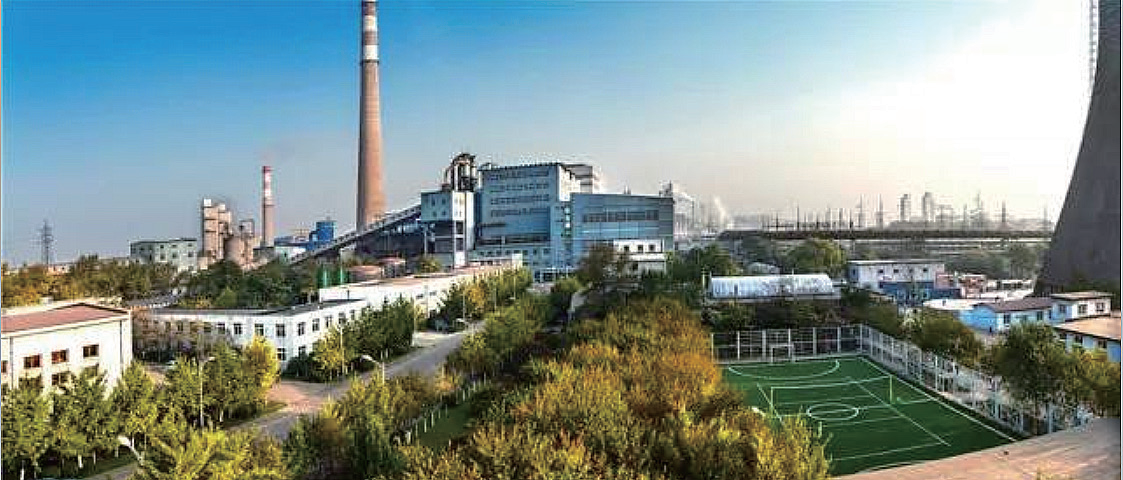
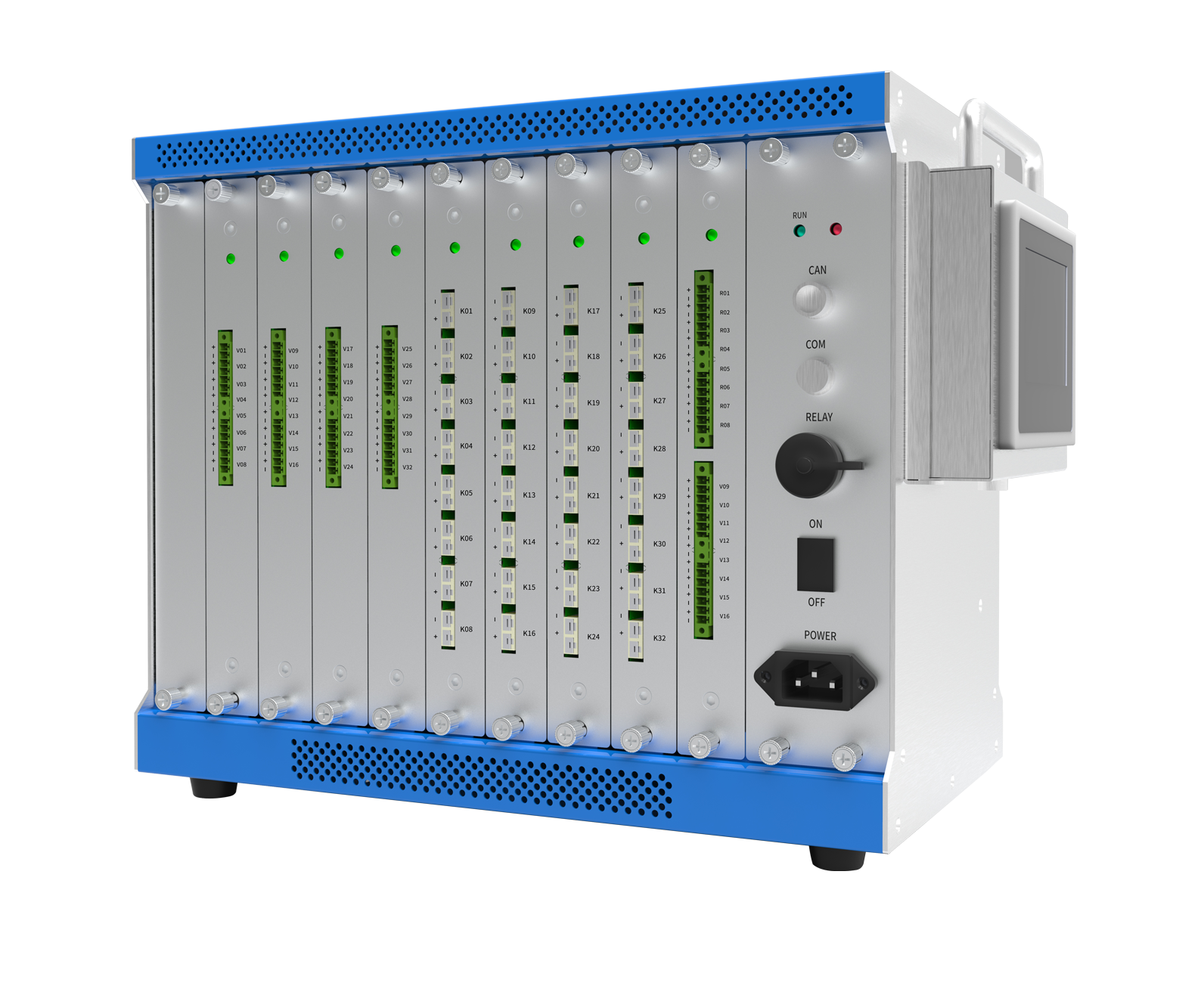
Optional Accessory - Auxiliary Sampling Module
Beijing Soaring Electric Technology Co., Ltd.