Italian Xenia Supports Turin Polytechnic's ASTRA Lunar Rover with 3D Printing Filaments
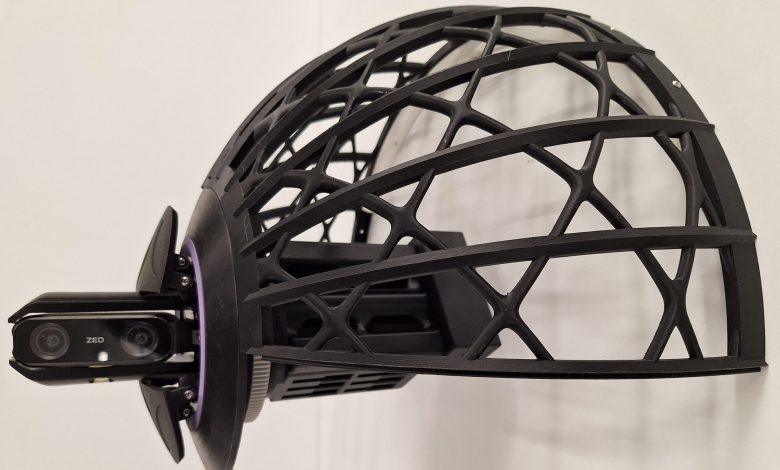
en.Wedoany.com Reported - Xenia Materials is supplying its 3DF Materials series of 3D printing filaments to ASTRA Team Polito, a student team at the Politecnico di Torino, for the development of the spherical lunar rover Scout. The team uses Xenia filaments to produce the shell segments of Scout's external spherical structure, and initial test results show a significant reduction in component weight without compromising performance.
This collaboration is part of Xenia's Academic & Research Support Program, which aims to connect industry professionals with academic teams to share knowledge and experience. Headquartered in Mussolente, Italy, Xenia has been producing high-performance reinforced thermoplastics since 1995 and entered the FDM and FFF filament market through its 3DF Materials business unit.
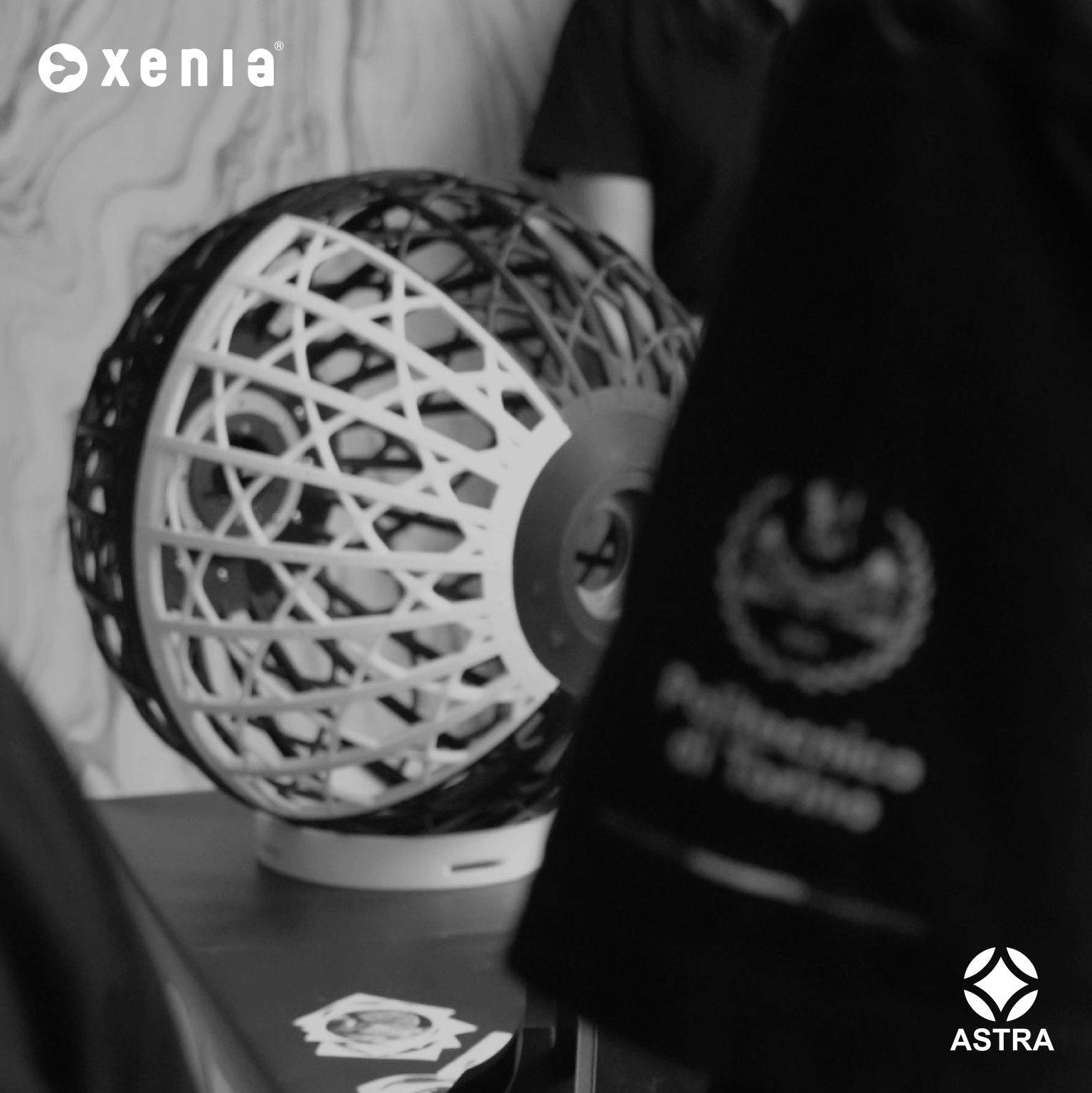
ASTRA Team Polito focuses on developing systems and subsystems for independently operating lunar bases, with work spanning lunar settlement design, reuse and recycling of resources and energy, and robots that collaborate with crewed teams. The team currently has two active projects: Scout and FIRE. Scout is a spherical lunar rover designed for the Moon's low-gravity, vacuum environment, capable of moving in any direction without tipping over and coordinating with other units in transport and assembly tasks; FIRE is a modular photovoltaic system featuring an origami-style foldable structure that autonomously deploys via a telescopic arm. Together, the two systems form a scalable, self-sufficient infrastructure for future lunar habitats.
Scout is a pendulum-driven spherical lunar rover equipped with a robotic arm for exploring the Moon's rugged terrain, operating entirely on solar power. Its components are designed via CAD and 3D printed, primarily using recyclable thermoplastics such as ASA and nylon, balancing strength with environmental performance. The team plans to transport raw materials to the Moon in the future and use lightweight portable printers to print replacement parts directly on the lunar surface, replacing the practice of shipping complete assemblies from Earth to reduce logistics costs and environmental impact.
To date, the rover has two generations: Scout I was built during the 2022-2023 academic year, while Scout II is an enhanced functional upgrade launched in 2024-2025.
Related Products


Pneumatic high-pressure wear-resistant ball valve
Zhejiang Deca Control Valve Meter Co., Ltd.

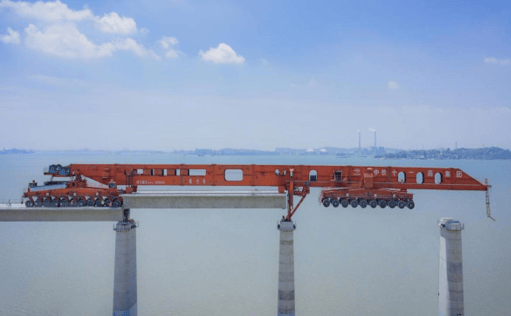
High-Speed Railway Lifting, Transporting, and Erecting Equipment: Integrated Transport and Erection Machine
Hanjiang Heavy Industry Co., Ltd. of China Railway 11th Bureau Group