MarketsandMarkets Forecasts Global Glycolic Acid Market to Reach $700 Million by 2032
en.Wedoany.com Reported - Market research firm MarketsandMarkets™ has released its latest report, forecasting that the global glycolic acid market will grow from $470 million in 2026 to $700 million by 2032, at a compound annual growth rate (CAGR) of 6.9% during the 2026–2032 period. The report covers 356 market data tables and 52 charts, spanning a total of 282 pages.
Glycolic acid is the smallest alpha-hydroxy acid (AHA) and is widely used in cosmetics, pharmaceuticals, household care products, and industrial formulations. Its properties—including exfoliation, chelation, degreasing, and pH stabilization—enable applications such as skin regeneration, enhanced cleaning efficiency, and extraction of active ingredients.
From a regional perspective, Asia Pacific held a significant market share of 37.5% in 2025. The rapid expansion of the cosmetics, pharmaceutical, personal care, and specialty chemicals industries in the region, coupled with rising disposable income, accelerated urbanization, and growing consumer awareness of advanced skincare products, is driving demand for glycolic acid products. Asia Pacific is home to multiple glycolic acid manufacturers with cost-effective production capabilities, and its manufacturing capacity and transportation infrastructure further support supply chain operations. As industrialization progresses, demand for glycolic acid in metal treatment, industrial cleaning, textile processing, leather finishing, and specialty chemicals manufacturing continues to grow. The rise of e-commerce platforms, expansion of beauty and personal care brands, increased contract manufacturing activities, and growing exports of specialty chemicals present new growth opportunities for the region.
By grade, the cosmetic grade segment is expected to register the highest CAGR of 6.1% during the forecast period. Growing demand for premium cosmetics and rising interest in active ingredient formulations are key drivers for this segment. Cosmetic grade glycolic acid, owing to its ability to accelerate cell turnover, improve skin texture, reduce pigmentation, and stimulate collagen production, is widely used in facial cleansers, serums, toners, exfoliating products, anti-aging creams, chemical peel products, and acne treatment products. Increasing consumer awareness of scientifically validated ingredients, higher spending on dermatological procedures, expansion of spa resorts and dermatology clinics, and the growth of home-use skincare systems are collectively driving this segment.
By application, the personal care and dermatology segment dominated the market with a 47.7% share in 2025 and is expected to maintain the fastest growth rate during the forecast period. Rising awareness of preventive skincare, increasing disposable income, and the development of dermatology clinics, medical spas, and minimally invasive aesthetic procedures are all driving demand for glycolic acid formulations. Manufacturers are developing innovative products suitable for sensitive skin containing appropriate concentrations of glycolic acid and active ingredients, and the continued rise of e-commerce beauty platforms further supports market growth.
Among key players, PureTech Scientific Inc. (US), China Petrochemical Corporation (Sinopec, China), CABB Group GmbH (Germany), Water Chemical Co., Ltd. (China), and Zhonglan Industry Co., Ltd. (China) have been identified as star companies in the glycolic acid market based on their market share and product portfolio. Companies such as Jinan Huashihang Chemical Co., Ltd., Fengchen Group Co., Ltd., Hangzhou Lingrui Chemical Co., Ltd., and Jiaxing Jlight Chemicals Co., Ltd. have established a strong foothold in specialized segments, demonstrating potential as emerging market leaders. In addition, CrossChem Limited (US), Hebei Chengxin Co., Ltd., Tianci Chemical Co., Ltd., Hefei TNJ Chemical Industry Co., Ltd., and Avid Organics Pvt. Ltd. (India) are also important players in this market. Product launches, partnerships, acquisitions, and expansions are the primary strategies these companies employ to consolidate their market positions.
Related Products

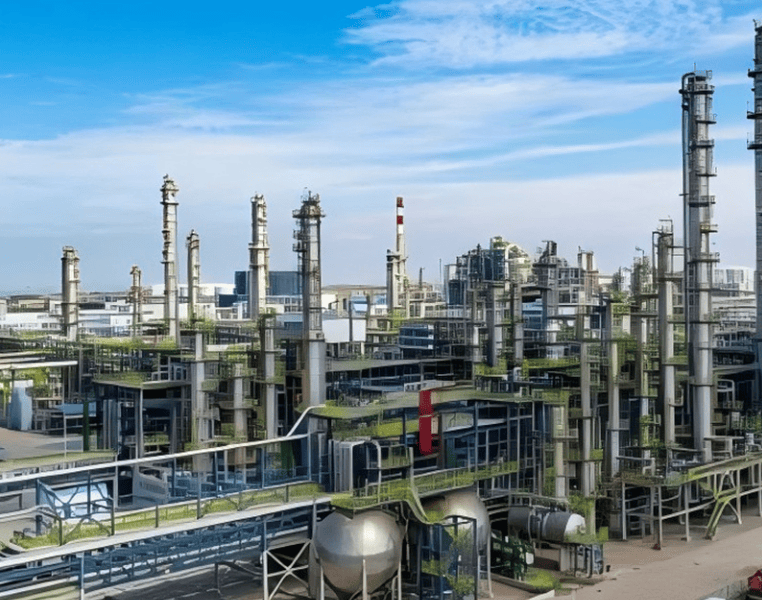
Steel Plates for Chemical Pressure Equipment
Gansu JISCO Group Hongxing Iron and Steel Co., Ltd.
Steel Pipes for Refining and Coal Chemical Industries
YANGZHOU LONTRIN ENERGY EQUIPMENT CO.,LTD.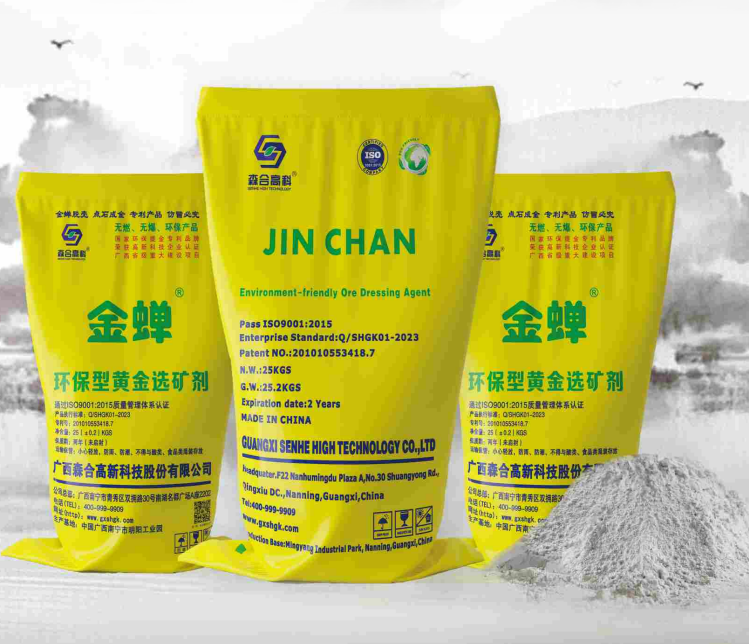
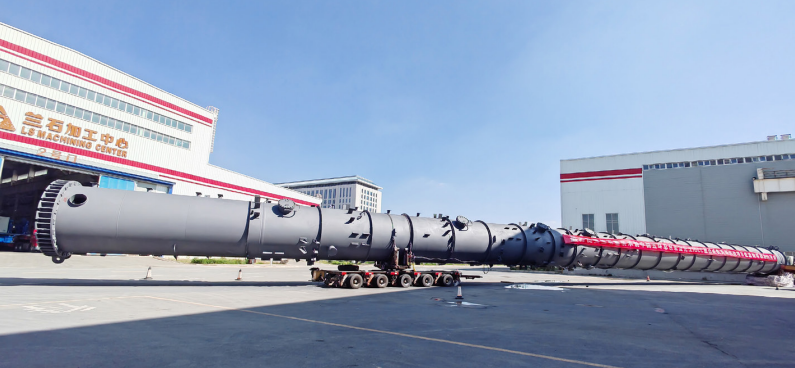
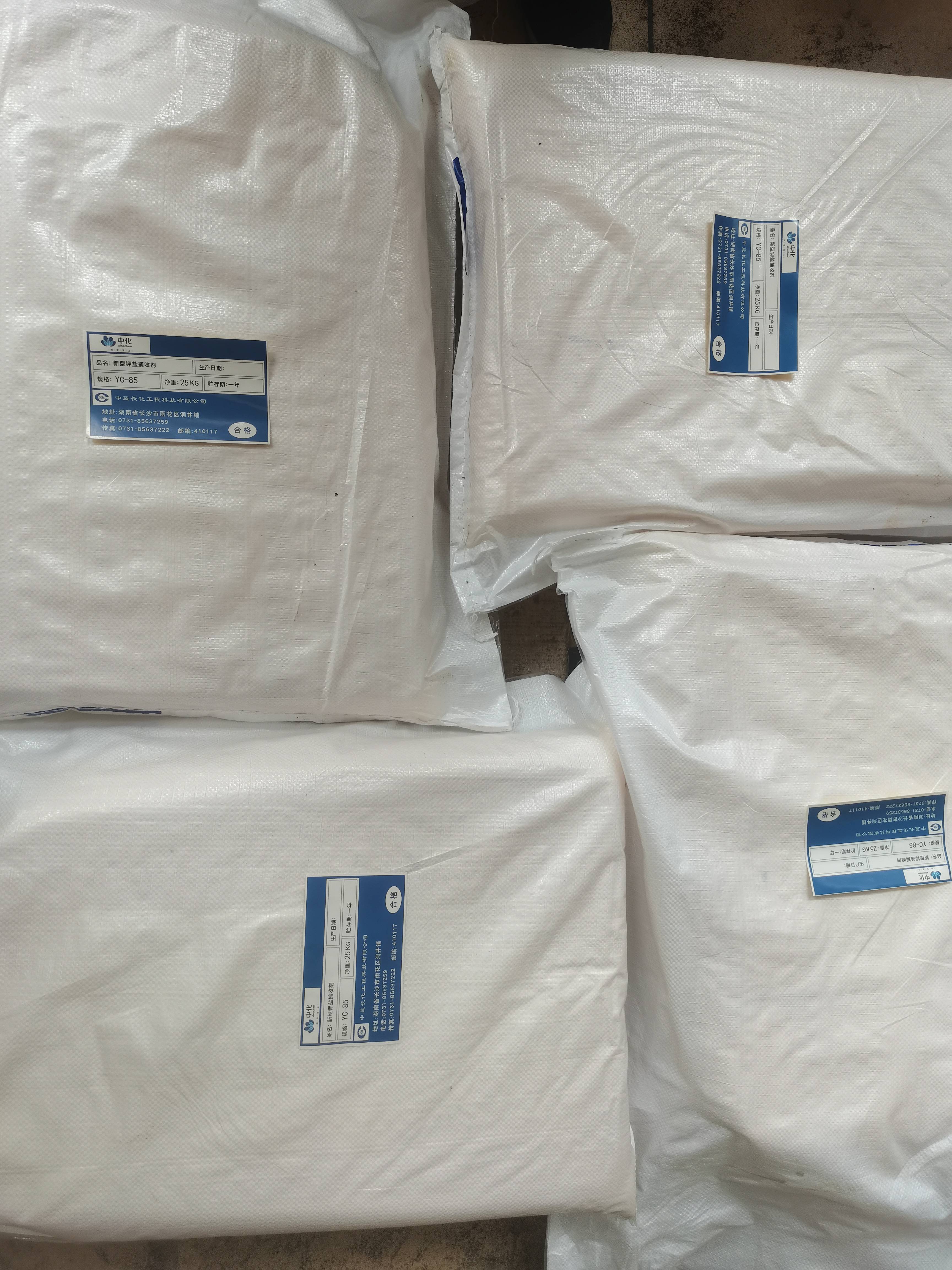
New Environmentally Friendly Green Potassium Salt Collector
Chonfar Engineering and Technology Co., Ltd.