"15th Five-Year Plan" for Coal Industry Development Sets the Tone: Five Major Bases to Account for Over 80% of Output
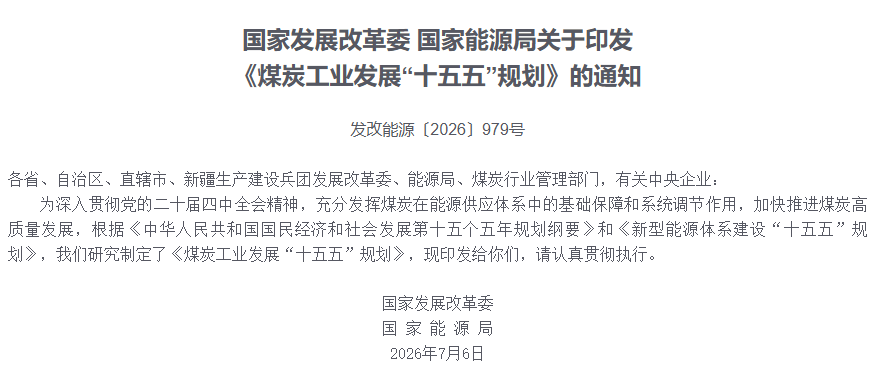
en.Wedoany.com Reported - On August 10, the National Development and Reform Commission and the National Energy Administration released the "15th Five-Year Plan" for Coal Industry Development. The plan, issued on July 6, proposes to build a modern coal industry system by 2030, based on safe and stable supply, promoting centralized coal development, intelligent production, low-carbon mining areas, and clean utilization.
During the "15th Five-Year Plan" period, coal consumption will enter a peak phase, but coal's role as a fundamental safeguard and system regulator in the energy system will continue to strengthen. The plan prioritizes ensuring supply for power generation coal, major national projects, and residential use, while enhancing supply capacity during peak summer and winter demand periods through capacity reserves, multi-energy complementarity, and regional mutual assistance. Coal industry development will place greater emphasis on high-quality capacity construction, supply flexibility enhancement, and clean and efficient utilization.
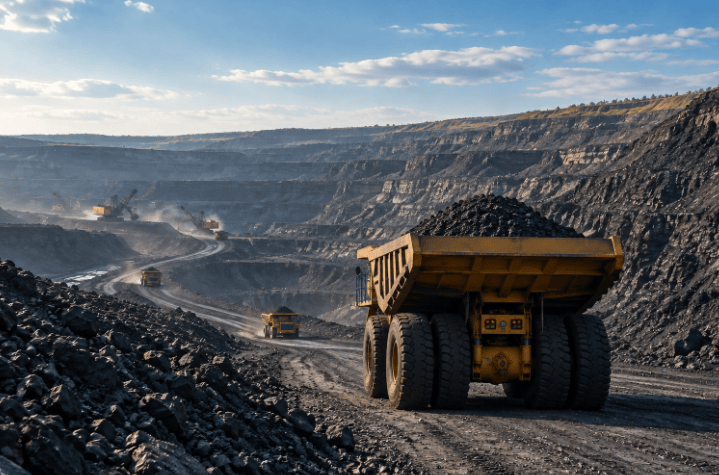
The production layout will continue to concentrate in the five major coal supply guarantee bases of Shanxi, Western Inner Mongolia, Eastern Inner Mongolia, Northern Shaanxi, and Xinjiang, with new and replacement capacity prioritized in these regions, along with support for upstream-downstream integrated projects and cross-regional supply guarantee projects. By 2030, the five major bases will account for over 80% of national coal output. The eastern and central regions will reasonably control development pace based on local energy demand, while the southwest and northeast regions will gradually phase out small and medium-sized mines with poor resource conditions and low safety guarantees.
Centering on the centralized production pattern, the plan will improve the "West-to-East Coal Transport" and "North-to-South Coal Transport" systems, accelerate the formation of a "one axis, two wings, multiple connections" railway corridor for coal exiting Xinjiang, and promote the shift of medium- and long-distance coal transport from road to rail and waterway. Product reserves, capacity reserves, and mining area reserves will be developed in coordination, with coal capacity reserves of over 100 million tons per year to be established by 2030, and emergency "normal-to-emergency conversion" capabilities enhanced through flexible production drills at reserve mines.
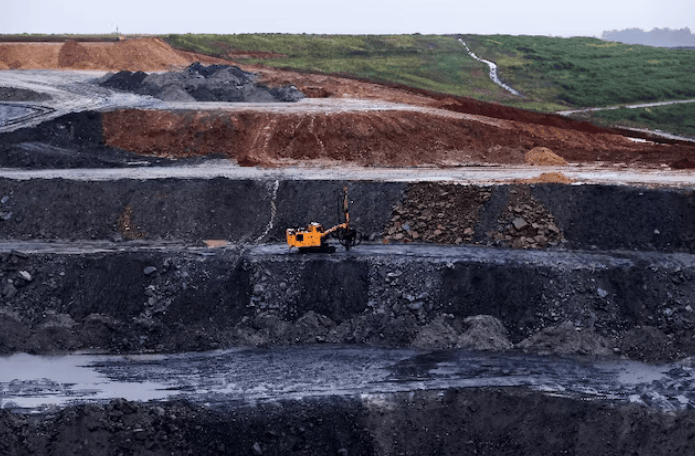
Capacity structure adjustment will be implemented by raising entry thresholds and promoting the exit of outdated mines. In Shanxi, Inner Mongolia, Shaanxi, and Xinjiang except for the southern region, construction of new or expanded mines with capacity below 1.2 million tons per year will be halted in principle; the corresponding thresholds for Ningxia and other regions are 600,000 tons per year and 300,000 tons per year, respectively. New capacity must be included in the unified capacity ledger and comply with capacity replacement policies. Mines that have been suspended or halted for extended periods, those with depleted resources, and those where major disasters cannot be effectively managed will be phased out in an orderly manner.
Intelligent coal mine construction will extend from single mining and excavation processes to coordinated operation across entire systems. By 2030, the share of capacity from large modern coal mines nationwide will rise from 85% at the end of the "14th Five-Year Plan" period to 87%, and the share of capacity from intelligent coal mines will increase from over 65% to 75%. The plan proposes accelerating the application of coal-specific large models, intelligent perception, autonomous decision-making, and intelligent control technologies, promoting automatic cutting in coal mining, remote-controlled tunneling, unmanned haulage in open-pit mines, and robot replacement in hazardous positions, while advancing the independent development of coal machinery industrial software and key components.
Green and low-carbon transformation will cover coal mining, transportation, power generation, and raw material utilization. The plan supports the development of wind power, solar power, and energy storage projects on coal mining subsidence areas and industrial sites, promoting green power direct connection in mining areas, smart microgrids, and the application of electric heavy trucks and hydrogen-powered mining trucks. Coal utilization will shift toward equal emphasis on fuel and raw materials, advancing energy-saving and carbon-reduction retrofits in coal power while orderly building strategic coal-to-oil and coal-to-gas bases and promoting the industrial application of coal-to-aromatics and coal-based biodegradable materials.
Coalbed methane and coal mine gas utilization are incorporated into the coal safety production and methane emission reduction system. By 2030, national coalbed methane output will reach 26 billion cubic meters, and gas utilization will reach 6.5 billion cubic meters. The Qinshui Basin will promote stable production and output growth in mature blocks, the eastern Ordos Basin will focus on deep coalbed methane development, and Xinjiang will accelerate large-scale exploration and development; all regions will also connect to the national natural gas network and improve coalbed methane export pipelines.
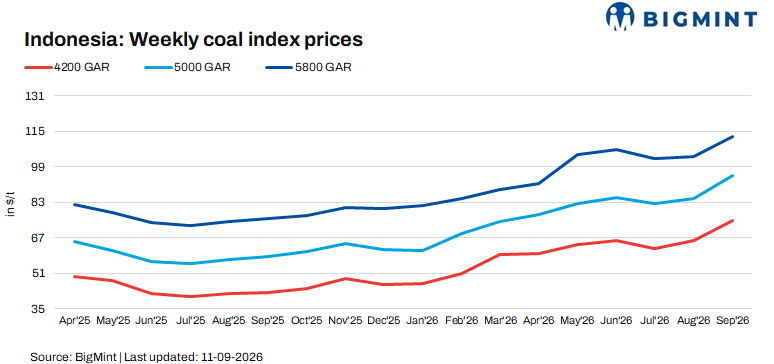
In terms of implementation mechanisms, the plan requires improving the unified national coal trading market and the medium- and long-term contract system for power generation coal, adjusting coal price range control policies in line with market conditions and cost changes. Local governments and relevant departments will refine and break down planning targets, financial institutions may support safe, green, and low-carbon coal projects in accordance with market-based and rule-of-law principles, and the implementation of all targets will be advanced through dynamic monitoring, mid-term evaluation, and final assessment.
Read the original:
 "15th Five-Year Plan" for Coal Industry Development.pdf (485.18 K)
Related Products


CAP1400 main feedwater flow nozzle flowmeter.
Jiangsu Hongda Instrument Technology Co., LTD.

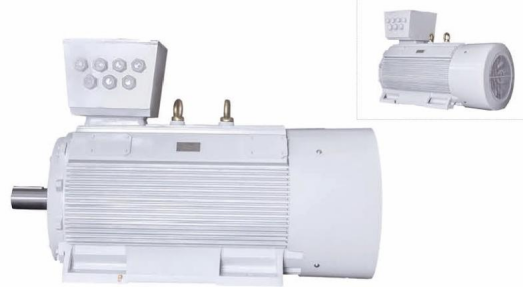
YE3 Series Low Voltage High Power Three-Phase Asynchronous Motor
Shandong Lijiu Electrical Machinery Co., Ltd.
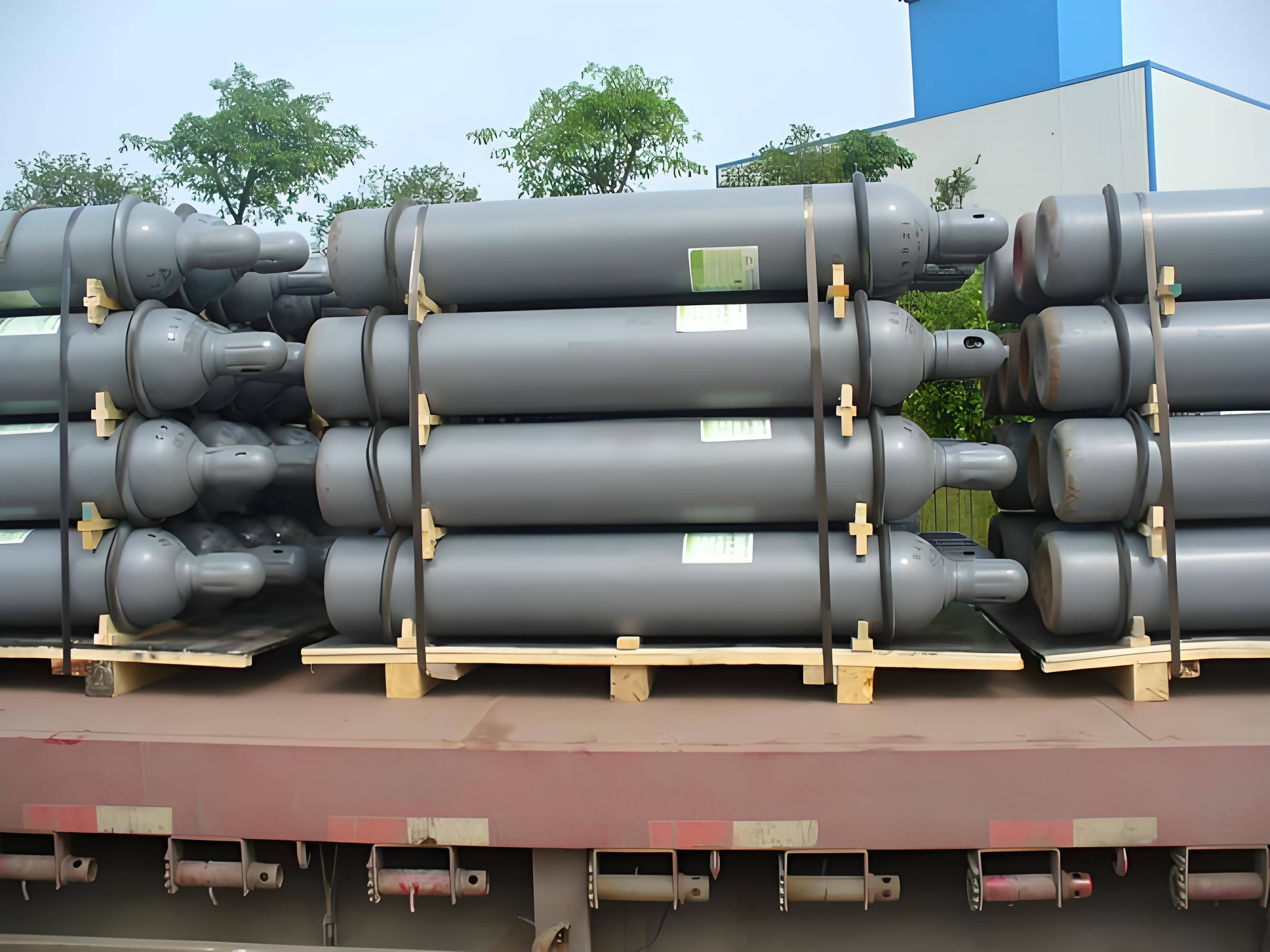
Global Sulfur Hexafluoride Gas Supply and Cylinder Export
Foshan Yuexin Industrial Gas Co., Ltd.
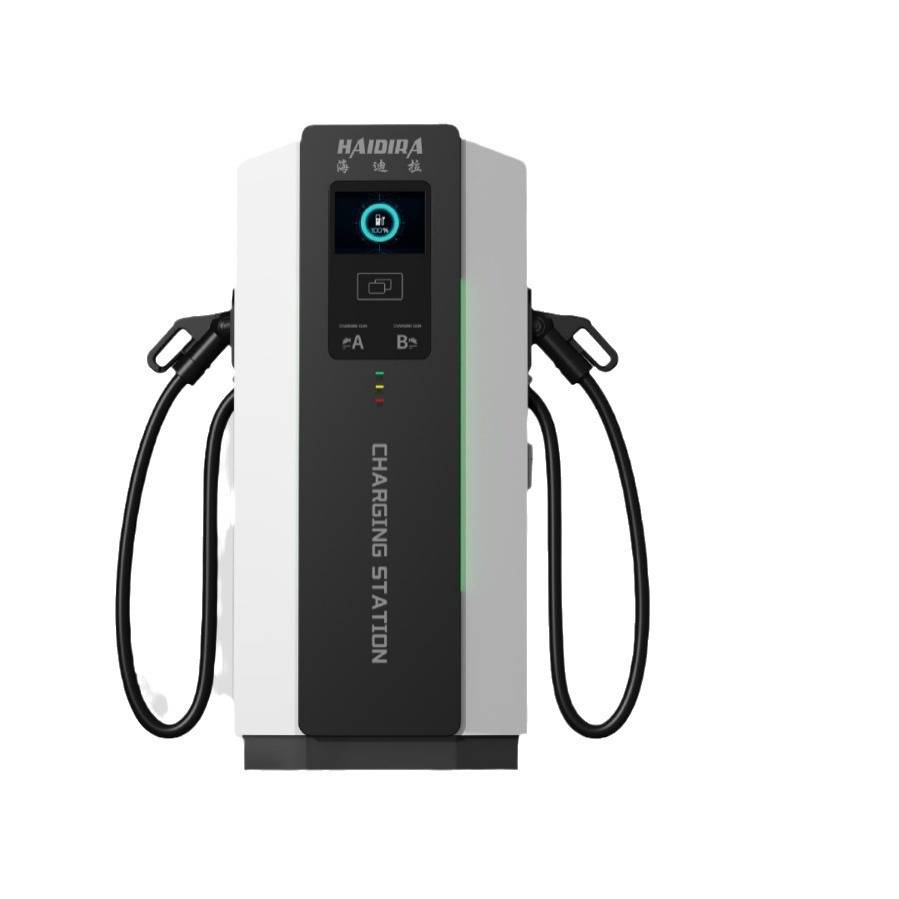
Manufacturer Direct Sales Tesla New Energy Electric Vehicle Universal DC 180kW Dual-gun Charging Pile Commercial Fast Charger
Anhui Haidira Electric Technology Co., Ltd.
NISELA Series Environmentally Friendly Gas-Insulated Ring Main Unit
XJ DELISHIER ELECTRIC CO., LTD.