Bahrain's Gulf Air Positions Itself as a Premium Connecting Airline, Differentiating from Gulf Giants
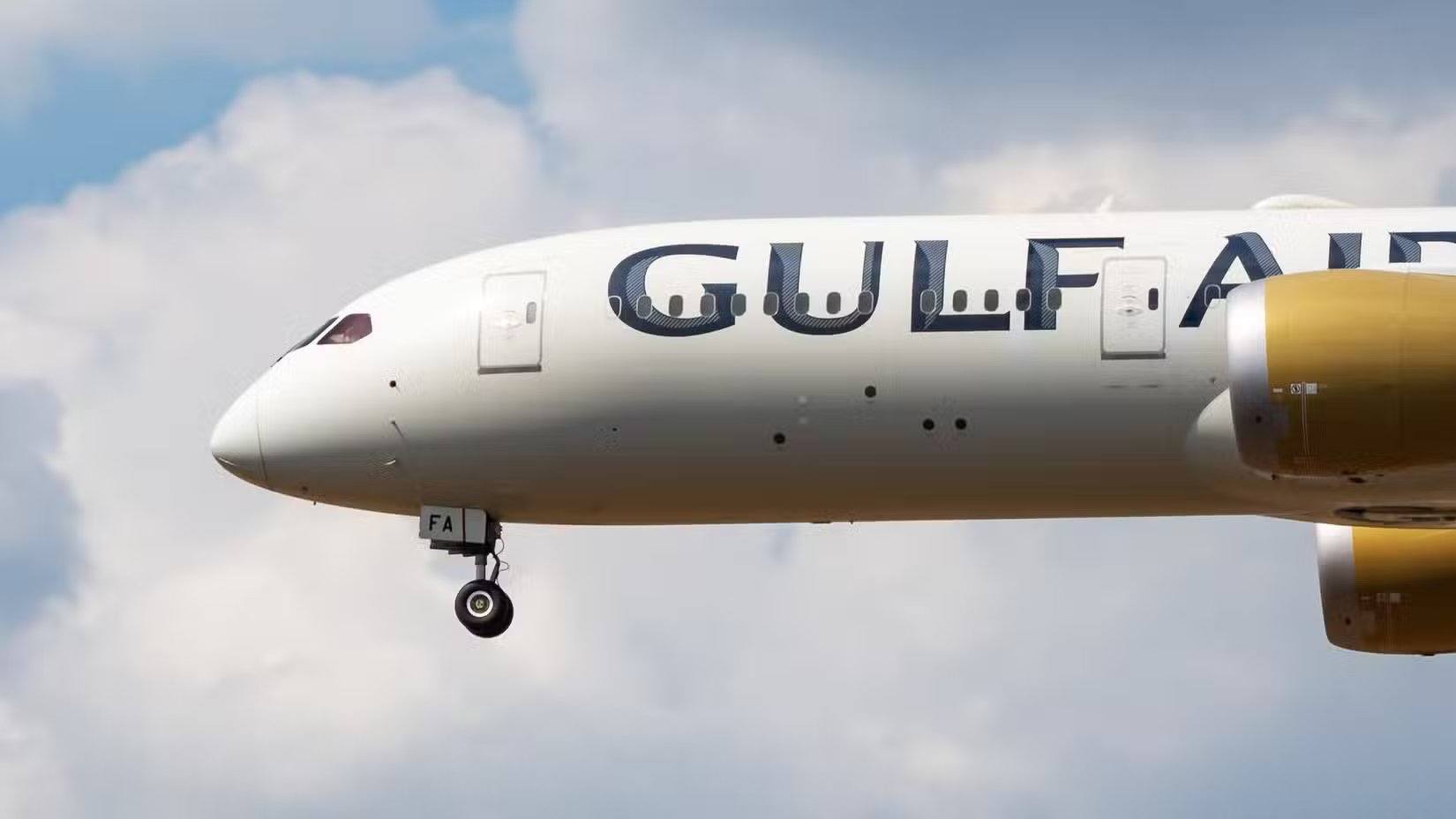
en.Wedoany.com Reported - Gulf Air Chief Executive Officer Martin Gauss, speaking to Simple Flying at the Farnborough Airshow, stated that the Bahraini flag carrier will position itself as a "signature premium connecting airline," competing with larger regional peers such as Qatar Airways, Emirates, Etihad, Saudia, and Riyadh Air. Gulf Air is headquartered at Bahrain International Airport (BAH), the kingdom's sole commercial airport.
Gauss explained that a "signature premium connecting airline" does not equate to a boutique airline, noting, "Boutique is a bit too small; I don't like that word." He added that Gulf Air is a global airline based in Bahrain, connecting destinations from Shanghai to New York, with a 76-year heritage, and that "the name represents exclusivity, service, long-haul flying, and also serves as the connectivity provider for the Kingdom of Bahrain."
Gulf Air's history predates many of its larger Gulf counterparts. Qatar Airways was founded in 1993 and began operations in 1994; Emirates was established in 1985; and Etihad Airways was founded in 2003. Saudia, established in 1945 after the gift of a DC-3 Dakota aircraft from U.S. President Franklin D. Roosevelt, is one of the region's oldest carriers. Riyadh Air, founded in 2023, is still in its establishment phase.
Gulf Air's scale and brand sit between smaller and larger carriers; its international recognition is less than that of Emirates or Qatar Airways, yet it is not an unknown name. The airline is rolling out high-speed Starlink in-flight Wi-Fi across its entire fleet and is more than doubling its widebody long-haul fleet size.
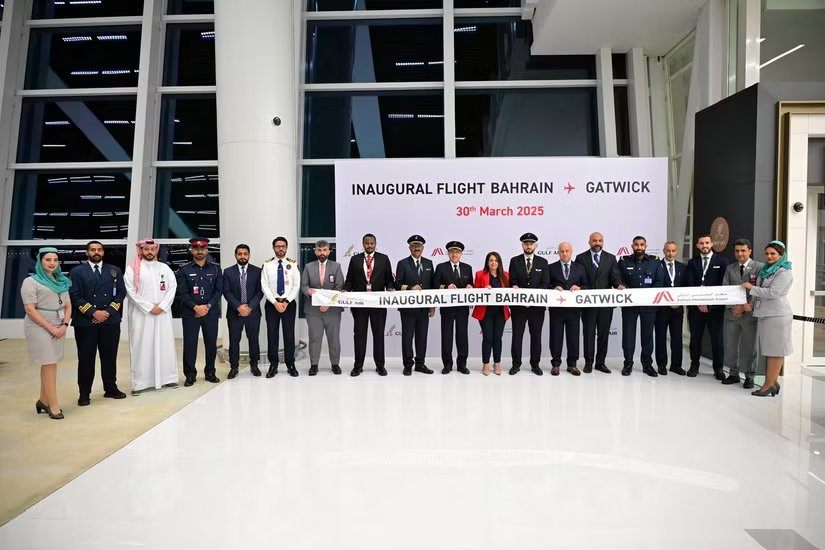
Gauss believes one of Gulf Air's greatest competitive advantages is the convenience from hotel to aircraft. Bahrain International Airport, located in Muharraq and connected by bridge to the capital Manama, offers passengers a journey from car to gate of just 10 minutes, he noted, adding that even in economy class, travelers experience one of the fastest airport transits from city to plane; the airport's minimum connection time is 40 minutes, a feat other airports cannot replicate due to its size, design, and operational approach.
Regarding onboard services, Gulf Air states its chefs prepare meals using fresh, locally sourced ingredients, with flavors inspired by home, the Middle East region, and destinations across its expanding route network.
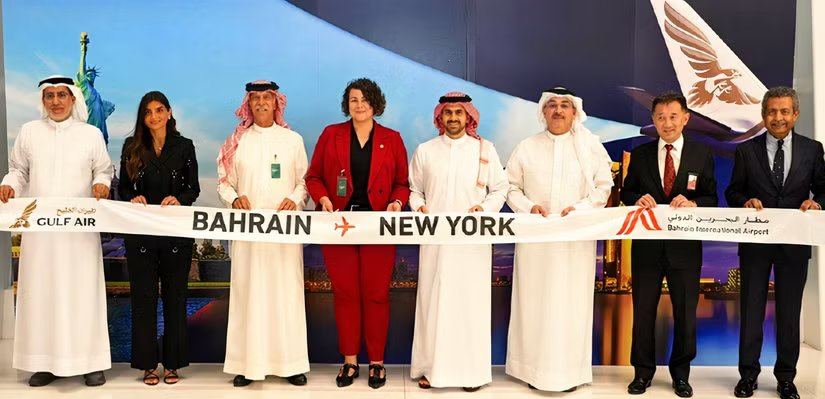
Gauss repeatedly emphasized that Gulf Air is not a boutique airline, stating, "That's not boutique." He argued that an airline cannot simultaneously be a small boutique carrier and connect New York's John F. Kennedy International Airport with Shanghai. Gulf Air's goal is to become the Gulf region's signature premium connecting airline, adding destinations to and from Bahrain to ensure the Kingdom's connectivity. He said Gulf Air will not look to Dubai or Qatar to replicate their models, but rather "wants to represent the Kingdom of Bahrain."
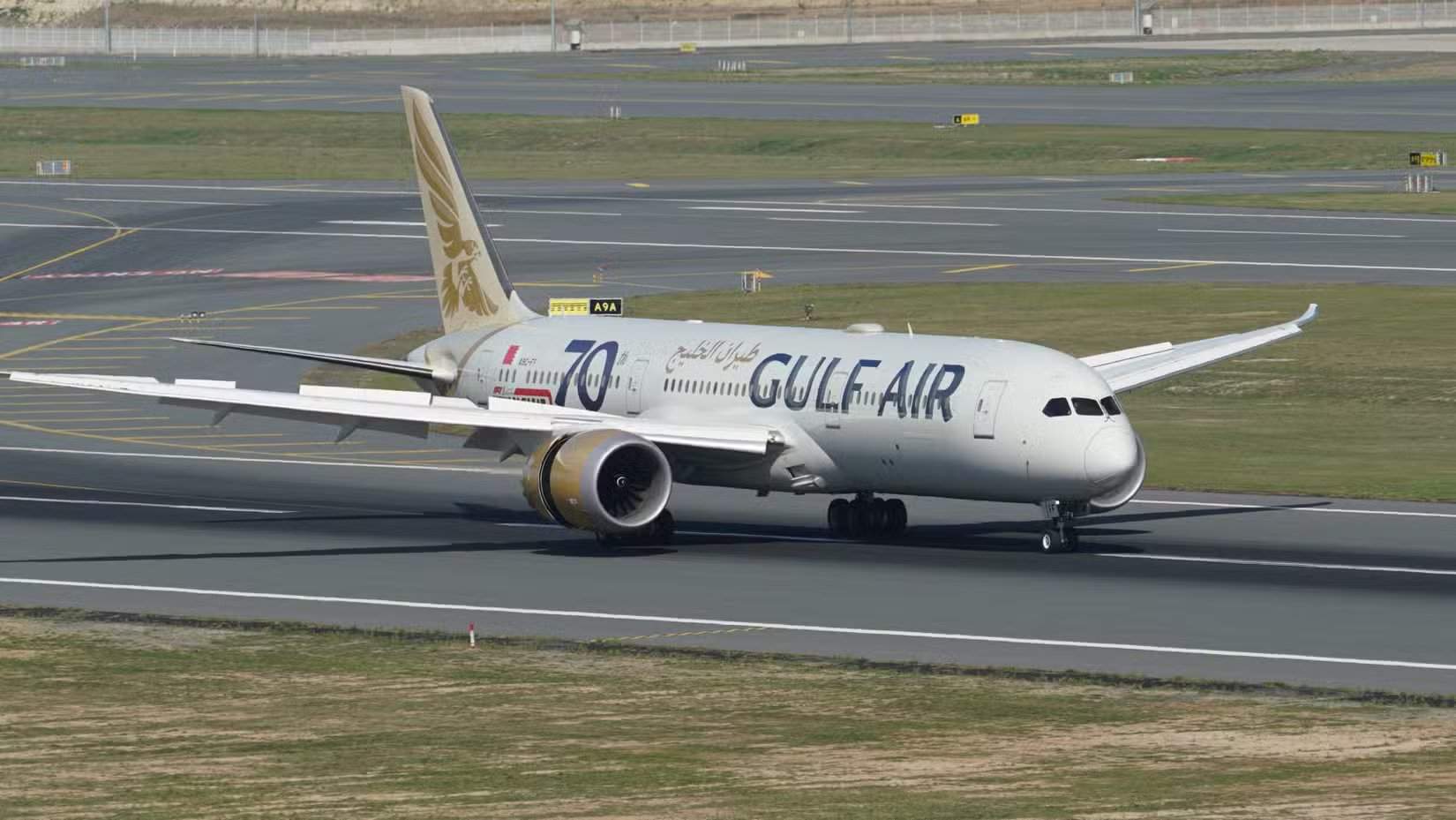
In terms of routes, Gulf Air operates three weekly flights to New York JFK using Boeing 787-9 aircraft, its only North American destination. Other long-haul routes include Shanghai, Guangzhou, Manila, Moscow, Singapore, Bangkok, Nairobi, and Casablanca. European coverage includes Manchester, London Heathrow, London Gatwick, as well as multiple cities in Germany, France, Switzerland, Italy, and Spain.
Beyond these routes, Gulf Air's network is primarily composed of Middle Eastern regional flights and services targeting the South Asian market. South Asian destinations include Dhaka, Colombo, Karachi, Lahore, Islamabad, and around eight cities in India, most located in the southern part of the country, with New Delhi as a key northern point. Leisure flights to the Maldives appear to be operated with Airbus A320 family aircraft and serve as fifth-freedom flights via Sri Lanka.
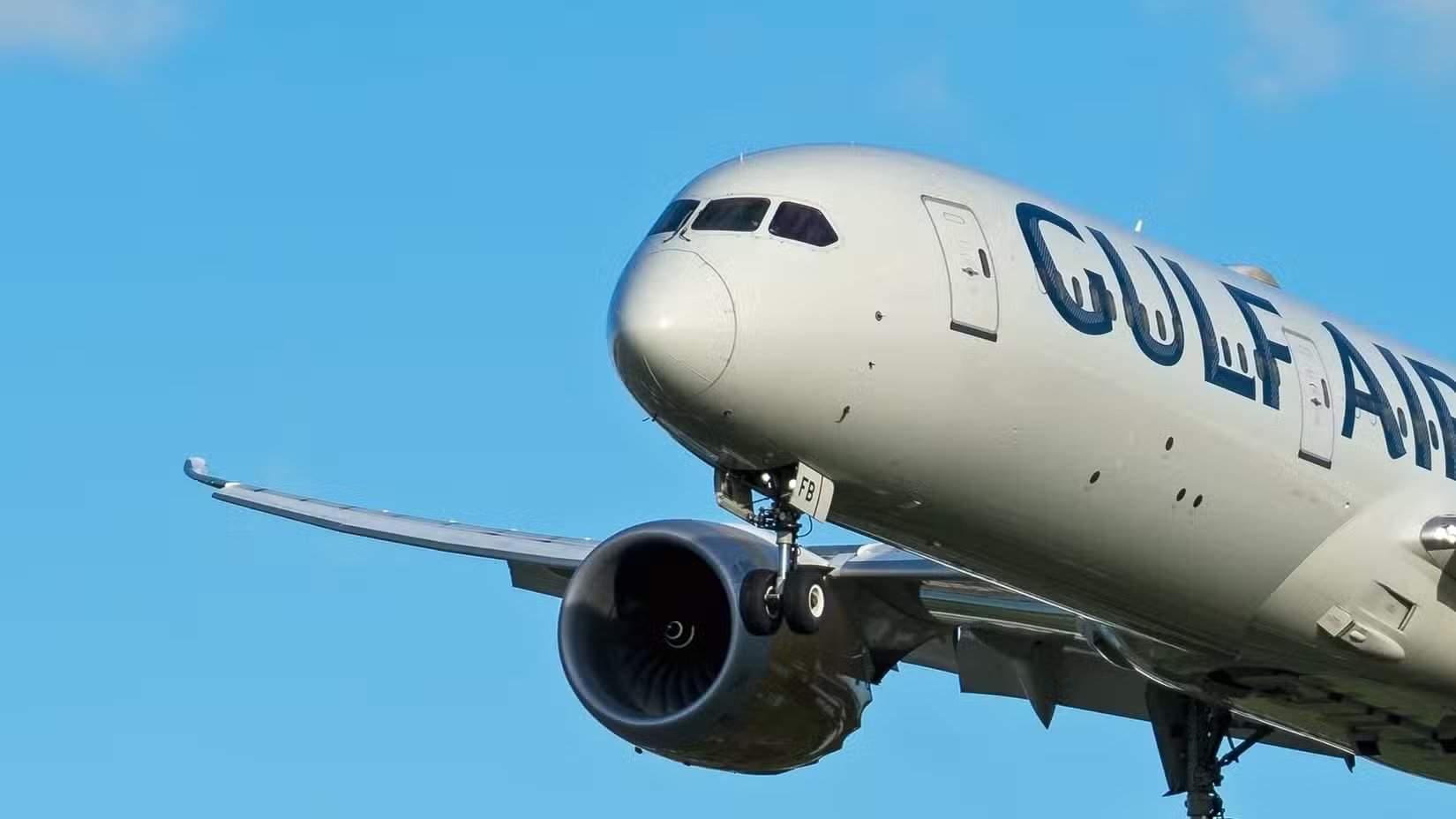
According to Planespotters.net data, Gulf Air operates 47 mainline aircraft with an average age of 7.6 years, including 17 Airbus A320s (8 A320ceo, 9 A320neo), 20 Airbus A321s (4 A321ceo, 16 A321neo), and 10 Boeing 787-9s. Of the 787-9s, five were delivered in 2018, two in 2019, and the remaining three in 2023. The airline also has orders for four Airbus A320neo and two Airbus A321neo aircraft.
Boeing records show Gulf Air has an additional 17 Boeing 787-9s on order. This fleet size is on the smaller side within the Gulf region but not the smallest, roughly equivalent to or larger than the typical scale of carriers in neighboring countries such as Oman, Jordan, and Kuwait (excluding Saudi Arabia, Qatar, and the UAE). For comparison, Oman Air operates 33 aircraft, including 24 Boeing 737s and 9 Boeing 787-9s, with 5 more 787-9s on order; Royal Jordanian operates 40 mainline aircraft, of which 8 are Boeing 787 Dreamliners (with 5 more on order), with the remainder being A320 family and Embraer regional jets; Kuwait Airways operates 32 aircraft, including 10 Boeing 777-300ERs, 6 Airbus A330s, 1 Airbus A340, and the rest being Airbus narrowbodies.
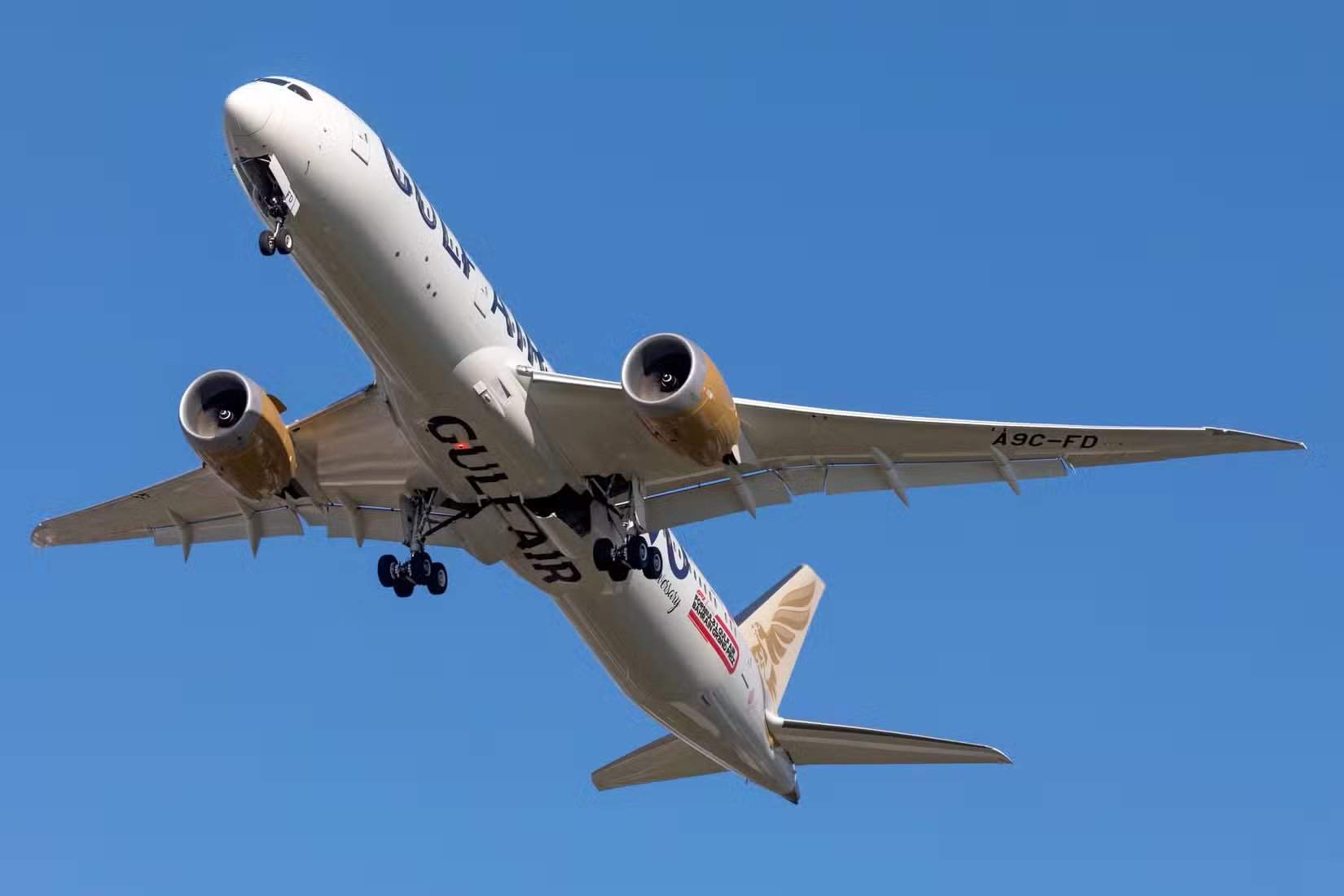
Gulf Air's Boeing 787-9 features a two-class cabin with 282 seats, within Boeing's official typical capacity range of 250 to 325 seats, though denser than configurations used by some other carriers. The Falcon Gold business class offers 26 lie-flat seats with 80 to 90 inches of pitch, featuring 22-inch touchscreens and in-flight Wi-Fi; economy class comprises 256 seats with 32 inches of pitch and 11.6-inch touchscreens. For comparison, British Airways' Boeing 787-9 features a four-class layout with 8 first-class seats, 38 business-class seats, 39 premium economy seats, and 130 economy seats, totaling approximately 215 seats.
Martin Gauss has previously stated that Gulf Air is actively evaluating the introduction of a dedicated premium economy cabin as part of its fleet and product strategy renewal, though no official launch date has been announced, nor has a final cabin installation plan been confirmed.
Related Products





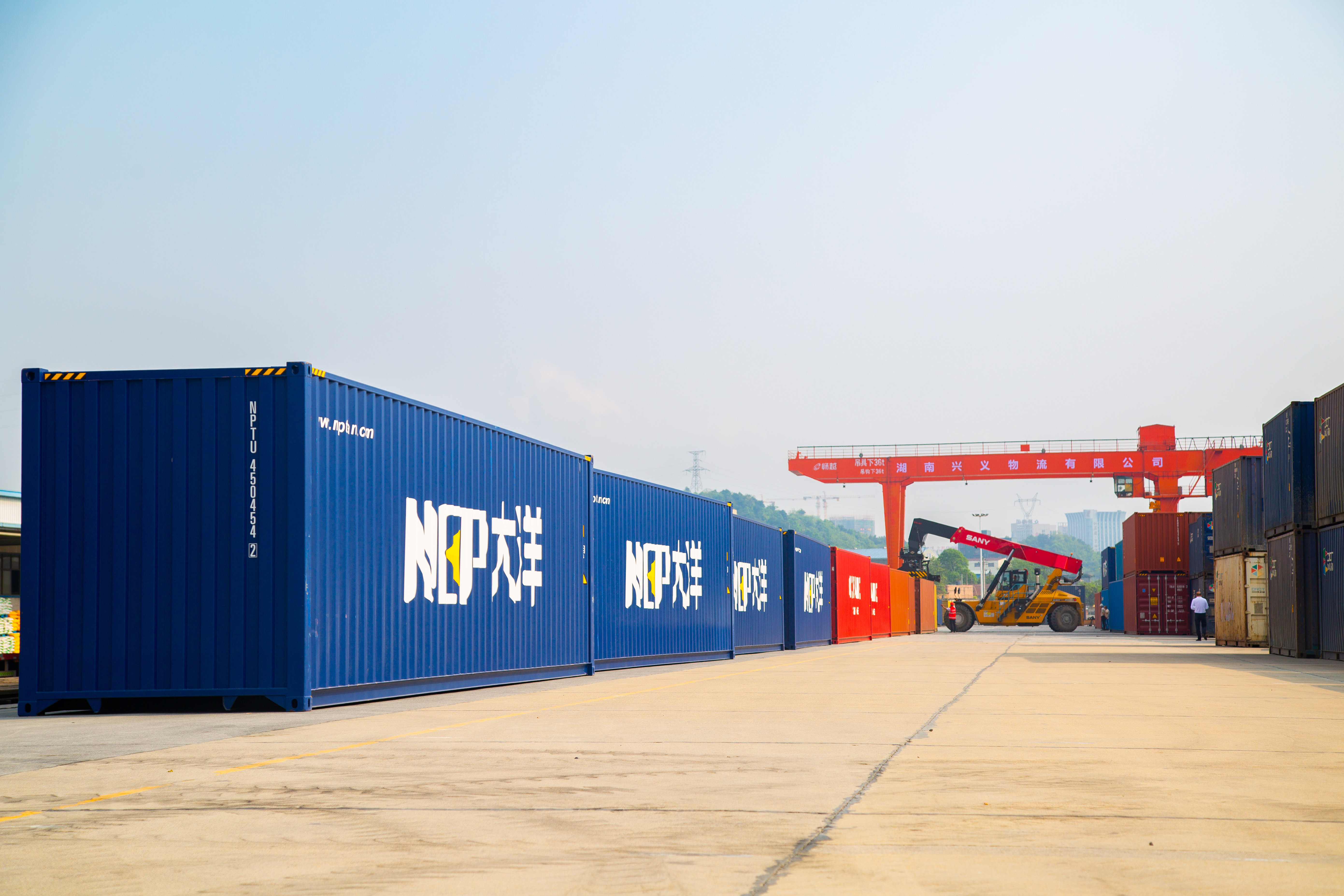
China - Alashankou/Khorgos - Europe Full Range Transportation (Mala/Hamburg/Duisburg/Budapest, etc.)
Shenzhen Neptune Logistics Co., Ltd.
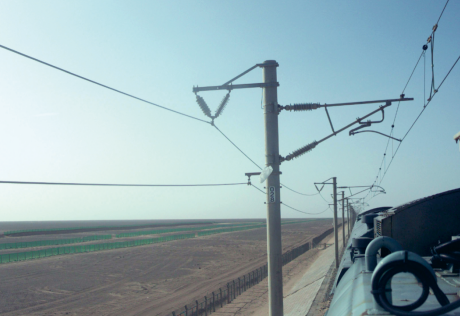
Pantograph-Catenary Comprehensive Detection Device (1C)
CHENGDU TANGYUAN ELECTRIC CO., LTD.
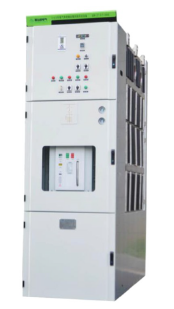
GSR6-27.5kV SF6 Free Gas-insulated Metal-enclosed Switchgear
Zhejiang Juhonkia Intelligent Electric Co., Ltd.