$10.5 Billion GranMorgu Project Enters Execution Phase, Suriname's First Offshore Oil Field Targets First Oil in 2028
en.Wedoany.com Reported - On August 13, the latest progress on Suriname's GranMorgu deepwater oil field project shows that FPSO construction, drilling and completion preparation, and subsea production system engineering are advancing in parallel. Project operator TotalEnergies awarded the long-term integrated drilling and completion services contract to Halliburton in July, and preparation for the first production and water injection well operations has entered the execution phase. The project remains on track to achieve first oil in 2028.
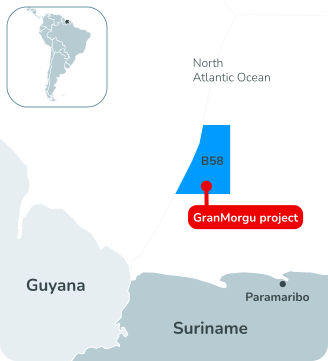
Located in Block 58, approximately 150 kilometers off the coast of Suriname, GranMorgu will jointly develop the Sapakara and Krabdagu fields, with estimated recoverable resources of nearly 760 million barrels. The total project investment is approximately $10.5 billion, with TotalEnergies, APA Corporation, and Suriname's state oil company Staatsolie holding 40%, 40%, and 20% interests, respectively.
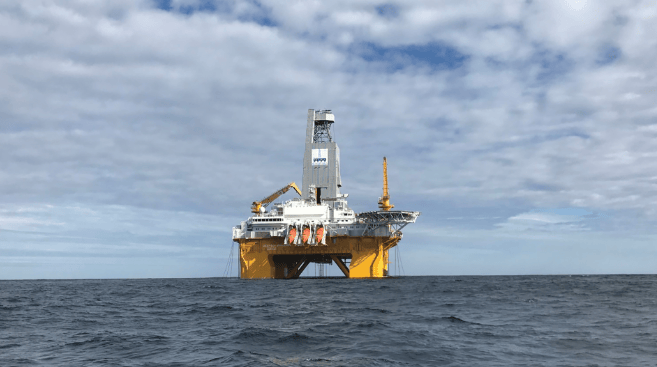
The project will feature an FPSO with a production capacity of 220,000 barrels of oil per day, a gas processing capacity of up to approximately 500 million cubic feet per day, and a crude oil storage capacity of approximately 2 million barrels, deployed using a spread mooring system in waters approximately 400 meters deep. As of May 2026, FPSO construction progress stands at approximately 50%, with related construction work advancing at multiple shipyards in China and Malaysia.
The FPSO adopts an all-electric drive design with no routine flaring, and associated gas will be reinjected into the reservoir. The facility will also be equipped with waste heat recovery, seawater cooling, and permanent methane monitoring systems, and will retain tie-back capacity for surrounding satellite fields to extend the high-production period.
The contract awarded to Halliburton in July covers long-term drilling, completion, engineering design, digital workflows, and automated operations. Tubular supplier Tenaris has commissioned a 74,500-square-meter service center in Paramaribo, the capital of Suriname, with a tubular storage capacity of 15,000 tons, providing casing, tubing, inspection, traceability, and wellsite delivery services. The commissioning of this center indicates that drilling equipment and materials have begun to be mobilized locally in Suriname.
The major engineering contracts for GranMorgu have largely been finalized. SBM Offshore and Technip Energies are responsible for FPSO construction and installation, with Technip Energies handling topside module design and modular construction management; SBM Offshore has also been awarded contracts for pre-first-oil operations preparation and at least two years of FPSO operations and maintenance after first oil.
TechnipFMC was awarded a subsea production systems contract valued at over $1 billion, covering Subsea 2.0 subsea trees, manifolds, connectors, topside control systems, umbilicals, flexible jumpers, and flexible risers. Saipem was awarded a $1.9 billion contract for subsea umbilicals, risers, and flowlines, which will involve constructing approximately 100 kilometers of 10-to-12-inch subsea production pipelines and approximately 90 kilometers of 8-to-12-inch water injection and gas injection pipelines. Related offshore pipelay and installation operations are scheduled for 2027 to 2028.
Beyond GranMorgu, Suriname's state oil company is attracting new offshore exploration investment through an open licensing mechanism. Block 52, operated by PETRONAS, has completed commerciality confirmation for the Sloanea gas discovery, with development planned using gas wells, subsea facilities, and a floating LNG unit. A final investment decision is targeted for 2026, with the goal of commencing gas production in 2030.
Project Overview:
Project Name: GranMorgu Deepwater Oil Field Development Project
Country: Suriname
Project Location: Block 58, offshore Suriname, approximately 150 km from the coast
Fields to be Developed: Sapakara, Krabdagu
Total Investment: Approximately $10.5 billion
Recoverable Resources: Nearly 760 million barrels
Operator: TotalEnergies
Partners: TotalEnergies 40%, APA Corporation 40%, Staatsolie 20%
FPSO Capacity: 220,000 barrels of oil per day
Gas Processing Capacity: Approximately 500 million cubic feet per day
Oil Storage Capacity: Approximately 2 million barrels
Current Phase: FPSO construction, drilling and completion preparation, and subsea system engineering execution phase
FPSO Progress: Approximately 50% complete as of May 2026
Drilling Milestone: Drilling materials and service systems have begun mobilization; major production and water injection well operations will enter the implementation phase
Offshore Installation: Scheduled for 2027 to 2028
Target First Oil: 2028
FPSO Contractor: SBM Offshore, Technip Energies
Subsea Production System Contractor: TechnipFMC
Subsea Pipeline Contractor: Saipem
Drilling and Completion Services: Halliburton
Oilfield Tubulars and Services: Tenaris
FPSO Operator: SBM Offshore
Supplier Portal: TotalEnergies Sequana supplier qualification system and SAP Business Network e-procurement platform
Next Steps to Track: Drilling rig mobilization, spudding of the first production well, FPSO hull and topside module integration, subsea pipeline laying, FPSO departure to Suriname, and offshore installation
Opportunities for Chinese Suppliers
The Tier-1 contracts for GranMorgu's FPSO, subsea production systems, subsea pipelines, drilling and completion, and operations and maintenance have all been awarded, and the window for Chinese companies to directly compete for major engineering packages has largely closed. As part of the FPSO construction is being carried out at Chinese shipyards, Tier-2 equipment, module outfitting, and construction services may still be procured through SBM Offshore, Technip Energies, and their shipyard supply chains.
1. FPSO Topside Module Equipment
Potential products include process pumps, valves, heat exchangers, pressure vessels, filters, pipe fittings, flanges, skid-mounted equipment, seawater treatment, and water injection equipment. Specific procurement depends on the approved vendor lists established by the EPC contractors.
2. Electrical and Automation Systems
May involve medium- and low-voltage switchgear, distribution panels, motor control centers, variable frequency drives, explosion-proof motors, industrial cables, instrumentation, fire and gas detection, control cabinets, and communication equipment. Products typically need to meet IEC, ATEX or IECEx, and classification society certification requirements.
Subsea Pipeline Supporting Equipment
During contract execution, Saipem and TechnipFMC may procure subsea pipe fittings, connectors, pipeline anti-corrosion materials, insulation systems, sacrificial anodes, bends, flanges, fasteners, and installation aids. Subsea trees, manifolds, and core control systems have already been contracted to TechnipFMC, leaving limited room for external suppliers to enter the core equipment packages.
3. Shipyard Construction and Offshore Support
The Chinese shipyard phase may generate demand for steel structure fabrication, module lifting, scaffolding, welding consumables, non-destructive testing, anti-corrosion coating, insulation, fire protection, and temporary construction facilities. Such procurement is typically organized directly by the FPSO EPC contractor or the shipyard.
4. Operational Spare Parts and Consumables
As drilling and offshore installation operations ramp up in 2027, subsequent demand may shift toward pump and valve spare parts, seals, filter elements, drilling consumables, lifting slings and rigging, offshore protective equipment, inspection instruments, and maintenance tools. Suppliers will need to establish warehousing and rapid-response capabilities in the Caribbean or South America.
TotalEnergies expects the project to generate over $1 billion in local procurement in Suriname over its full lifecycle, with administrative, shore-based support, and logistics operations centered primarily in Paramaribo. Chinese companies seeking to participate in local procurement will need to partner with service providers in Suriname or the Caribbean region, while also completing TotalEnergies' and the main contractors' technical, HSE, compliance, sustainable development, and financial qualification reviews.
Related Products
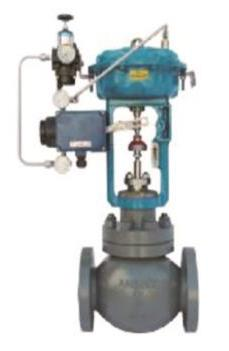

Quick-Change Single-Seat Control Valve / Quick-Change High-Pressure Single-Seat Control Valve
Beijing Consen Automation Technology Co., Ltd.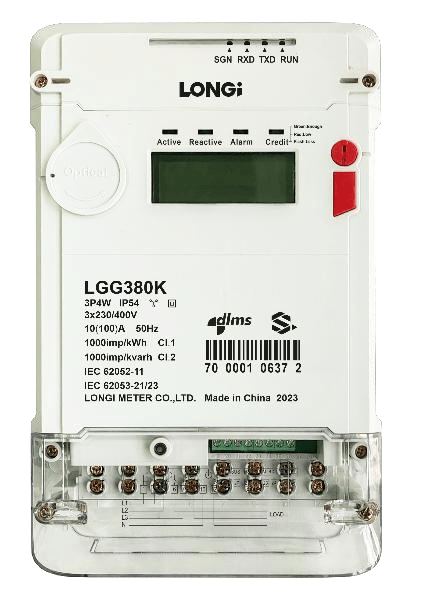
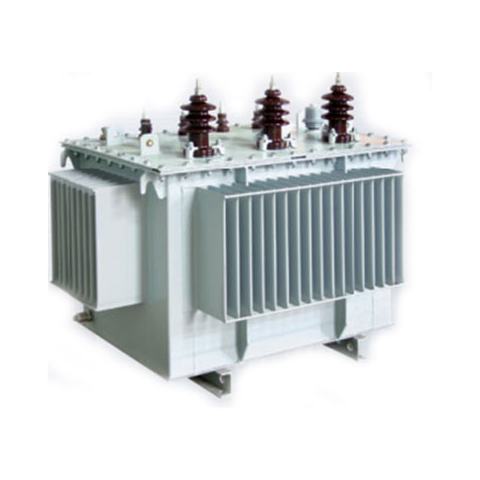

Prefabricated Houses and Electrical Energy Boxes
Chengdu Ruilong Machinery Manufacturing Co., Ltd.
Mars (Liquid Cooling) Series Industrial and Commercial Energy Storage Converter High Protection Module
Shenzhen Winline Technology Co., Ltd.
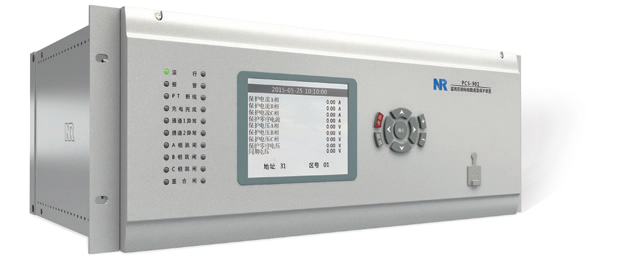
PCS-901 Series Ultra (Extra) High-voltage Transmission Line Complete Protection Device
Nanjing NR Electric Co., Ltd.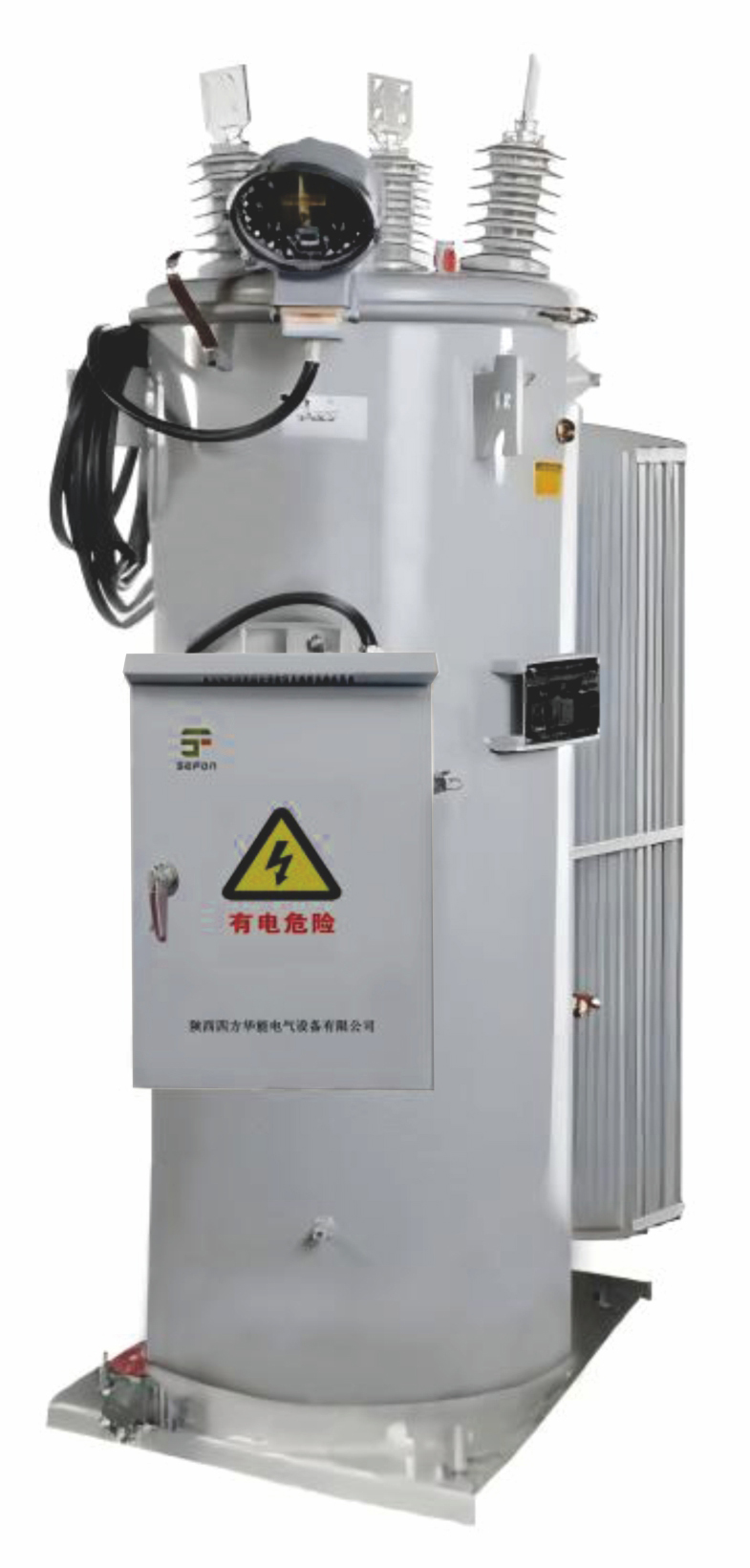
Single-Phase Automatic Voltage Regulator(AVR)
Shaanxi Sefon Electrical Equipment Co.,Ltd.
Forest and Grassland Heat Source Infrared Monitor
China Huayun Meteorological Technology Group Co., Ltd.