Stellantis Advances R$32 Billion South America Investment Plan, Launching 40 Products by 2030
en.Wedoany.com Reported - Stellantis is advancing its 2025-2030 South America investment plan, committing R$32 billion to refresh the regional product portfolio, upgrade production facilities, develop electrification technologies, and expand supply chain localization. The company aims for a 10% revenue growth in South America by 2030, with an adjusted operating margin of 8% to 10%.
The plan covers more than 40 new products, 8 powertrain systems, and 4 vehicle platforms. Stellantis will continue to adopt multiple technology pathways in South America, including combustion engines, ethanol flex-fuel, hybrid, and fully electric options. Among these, the Bio-Hybrid system combines electrification technology with Brazilian ethanol fuel, with related models primarily produced in Brazil.
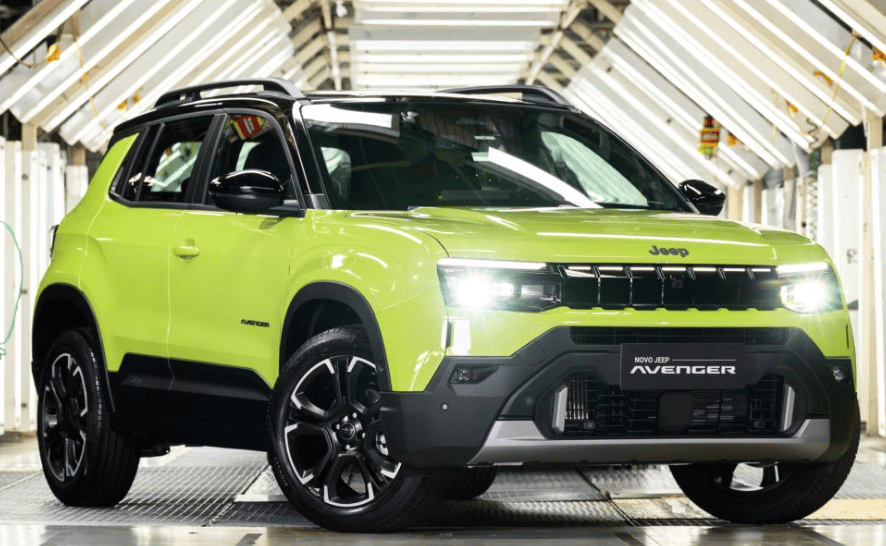
Of the R$32 billion investment, the Betim automotive industrial complex is slated to receive R$14 billion for new models, electrification technologies, production digitalization, and capacity adjustments; the Goiana plant is set to receive R$13 billion to advance hybrid models and localized production of Leapmotor brand vehicles; the Porto Real plant will receive R$3 billion to produce the Jeep Avenger, upgrade electrification platforms, and expand production shifts.
Stellantis plans to launch 16 new models and facelifts in Brazil in 2026, 6 of which will feature Bio-Hybrid technology. The Goiana plant will produce 4 hybrid models, while the Betim and Porto Real plants will handle production of other models. The Porto Real plant began mass production of the Jeep Avenger in July and has added a second production shift for this purpose.
The company also plans to shorten the development cycle for electrified models through partnerships with Leapmotor and Dongfeng Motor. The Leapmotor B10 and C10 have been included in local production arrangements in Brazil, while the Dongfeng collaboration is currently in the joint research and product introduction evaluation phase.
Stellantis sold over 1 million vehicles in South America in 2025, maintaining its leadership in regional car and light commercial vehicle sales for the fifth consecutive year. The company plans to consolidate its presence in the Brazilian and Argentine markets while expanding its business scale in markets such as Chile, Colombia, Peru, and Ecuador.
Related Products


Industrial and Commercial Point-Type Gas Detector
Jinan Benan Technology Development Co., Ltd.
Standard Nozzle Flowmeter
Jinggong Automatic Control Instrument Complete Technology Development Company
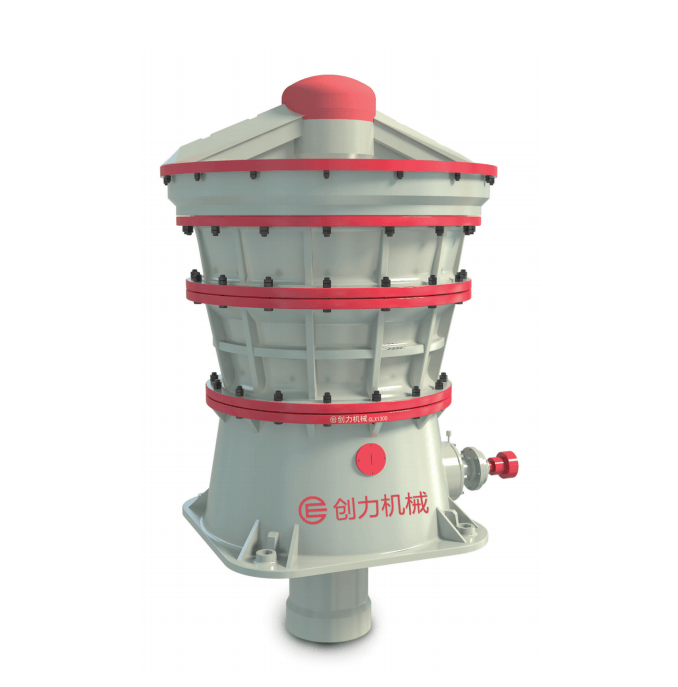
CLX Series Intelligent Hydraulic Gyratory Crusher
Guangdong CHUANGLI intelligent machinery Equipment Co., LTD
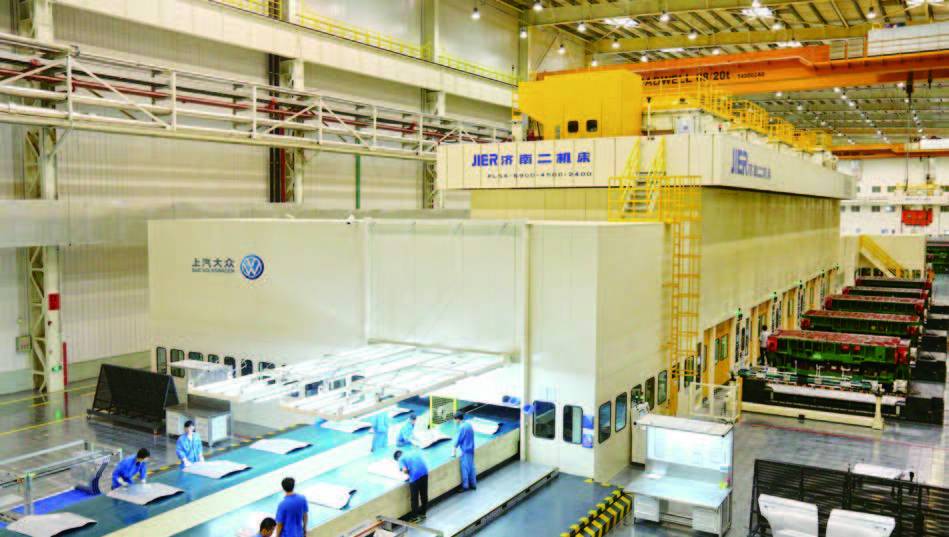
High-Speed Flexible Fully Automatic Stamping Production Line
JIER Machine-Tool Group Co., Ltd.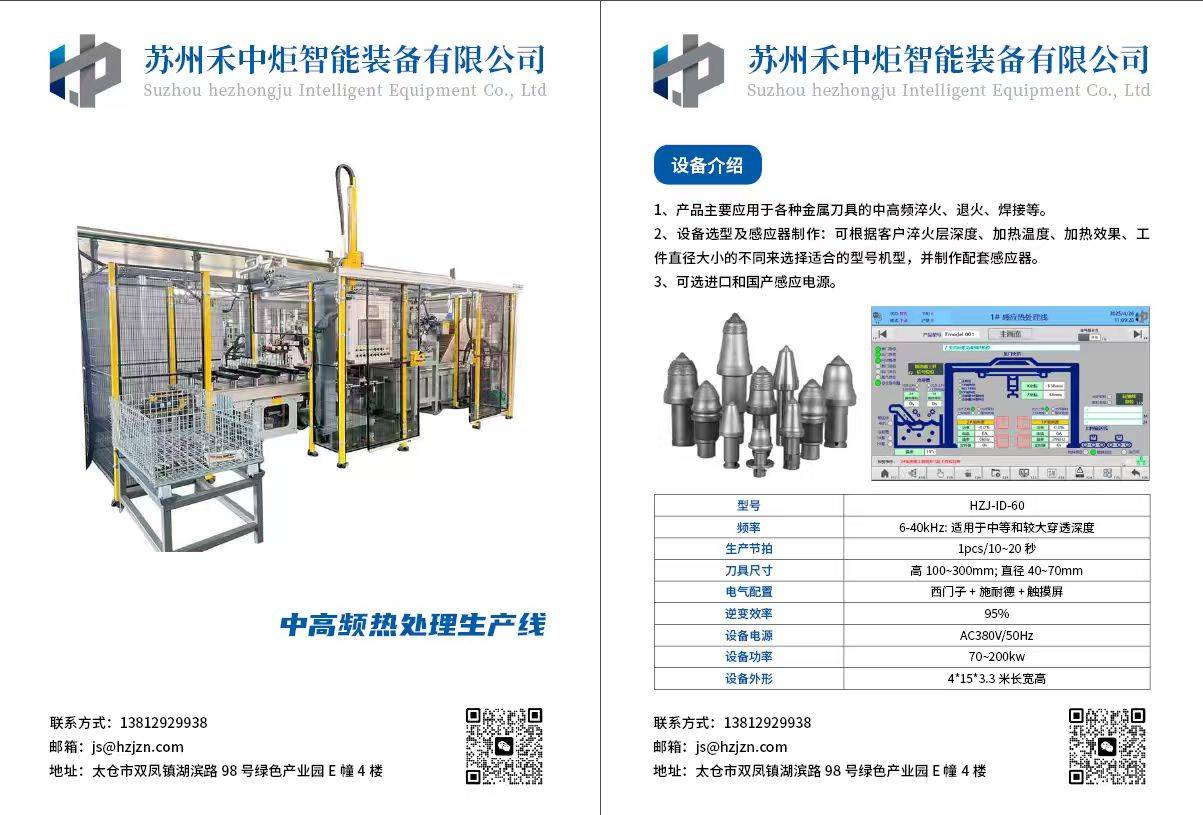
Excavator Bucket Teeth Heat Treatment Production Line
Suzhou Hezhongju Intelligent Equipment Co., Ltd.