DPWH pushes Cebu drainage projects, over P60 billion spent
en.Wedoany.com Reported - Department of Public Works and Highways (DPWH) Secretary Vince Dizon inspected flood-prone areas in Cebu City and Mandaue City on August 11 to advance the implementation of priority drainage projects in Metro Cebu. This follows President Ferdinand Marcos Jr.'s directive to concerned agencies to ensure that priority flood control projects receive appropriate attention and funding.
The inspection came a day after the Office of the Ombudsman announced it would conduct a review of flood control projects across Cebu to determine whether their design, implementation, and effectiveness were appropriate. Ombudsman Jesus Crispin "Boying" Remulla said that over the past six years, more than P60 billion has been spent on flood control projects in Cebu.
In Mandaue City, Dizon listed six priority areas: A.S. Fortuna Street, U.N. Avenue, A.C. Cortes Avenue, M.L. Quezon Avenue, the Innodata area in Barangay Subangdaku, and the area near LH Prime Medical Clinic. The city recently completed a drainage improvement project in Barangay Banilad, connecting the area from Cebu Rolling Hills Memorial Chapels Inc. to Orel Creek to improve the flow of floodwater along A.S. Fortuna Street.
The DPWH is simultaneously advancing the connection project between Orel Creek and Subangdaku River and Mahiga Creek. Dizon said these funded projects are expected to be completed by late 2026 and early 2027. Funding is already available for several projects planned for implementation in 2026 and 2027, but he did not disclose the specific allocations, as the proposed 2027 National Expenditure Program is still being prepared. A major project planned for 2027 is the construction of a pumping station and flood gates along A.C. Cortes Avenue, a system that will prevent seawater from flowing back into Mandaue City during high tide and allow pumps to discharge drainage toward the Mactan Channel.
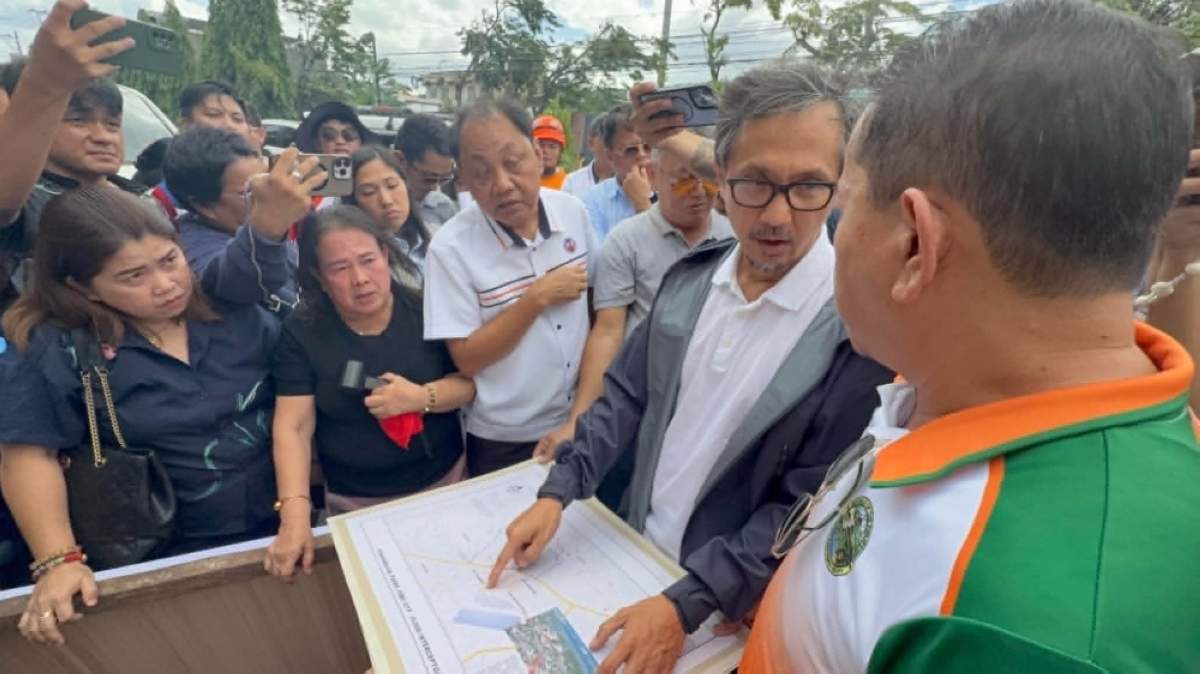
The DPWH also plans to implement drainage improvement works near LH Prime and construct an interceptor channel in Subangdaku near Innodata, for which the right-of-way has already been secured. Mandaue City Mayor Thadeo Jovito "Jonkie" Ouano said the recently completed drainage project can shorten the duration of flooding on A.S. Fortuna Street. He also reminded residents that the city still receives runoff from highland barangays in Cebu City, and rapid urbanization has increased the volume of water flowing into Mandaue, urging residents to dispose of garbage properly to prevent waste from clogging drainage systems.
Dizon also inspected Barangay Kinasang-an and Basak Pardo in Cebu City, both of which suffered severe flooding during heavy rains in July. Barangay Kinasang-an Chairperson Susan Enriquez said at least 10 of the barangay's 26 sitios frequently experience flooding because the low-lying community receives runoff from highland areas. Residents and local officials cited poor drainage, garbage, and structures blocking waterways as factors that worsen flooding.
In Basak Pardo, Dizon inspected a narrow creek along N. Bacalso Avenue, which officials consider a bottleneck for flooding. The DPWH is studying a drainage network that would divert excess runoff from the drainage system along the national highway toward the South Road Properties reclamation area and ultimately into the sea, providing an outlet for floodwater from Metro Cebu's highland areas and easing pressure on the communities of Kinasang-an and Basak Pardo.
Dizon said the ongoing and planned projects are aligned with the Metro Cebu Flood Control and Drainage Master Plan, which he and Cebu Governor Pamela Baricuatro proposed after Typhoon Tino. The master plan, formulated in 2016-2017, previously lacked adequate funding and implementation. Baricuatro and Presidential Assistant for the Visayas Philip Lo also joined the inspection, as national and local officials coordinate on projects planned for implementation through 2027.
These flood control projects come as local governments in Metro Cebu are being encouraged to take a more active role in flood management under the province's new cluster system. The system was adopted during the first formal meeting of the Metro Cebu Flood Control and Drainage System Implementation Task Force held in August this year.
Related Products


Ultra-Pure Ferrite Stainless Steel Products
Gansu JISCO Group Hongxing Iron and Steel Co., Ltd.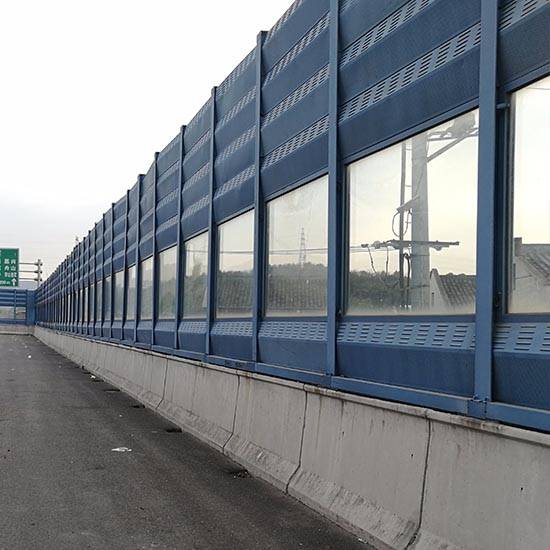
Metal sound barriers that can reduce the transmission of road noise
Hebei Jinbiao Construction Materials Tech Corp., Ltd.

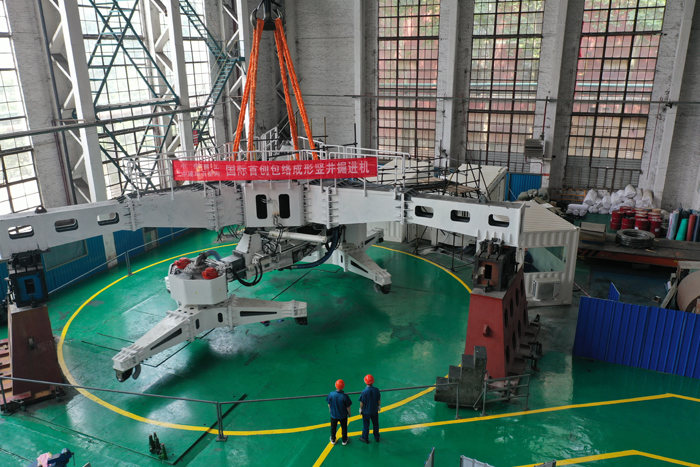
CITIC Heavy Industries Tunneling Equipment Tunnel Engineering Shield Machine
CITIC Heavy Industries Co., Ltd.
ERW Welded Pipe (Black Pipe and Hot-dip Galvanized Steel Pipe)
Handan Zhengda Steel Pipe Co., Ltd.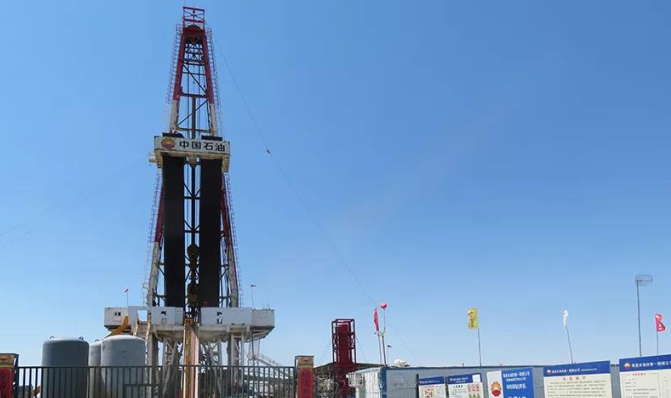
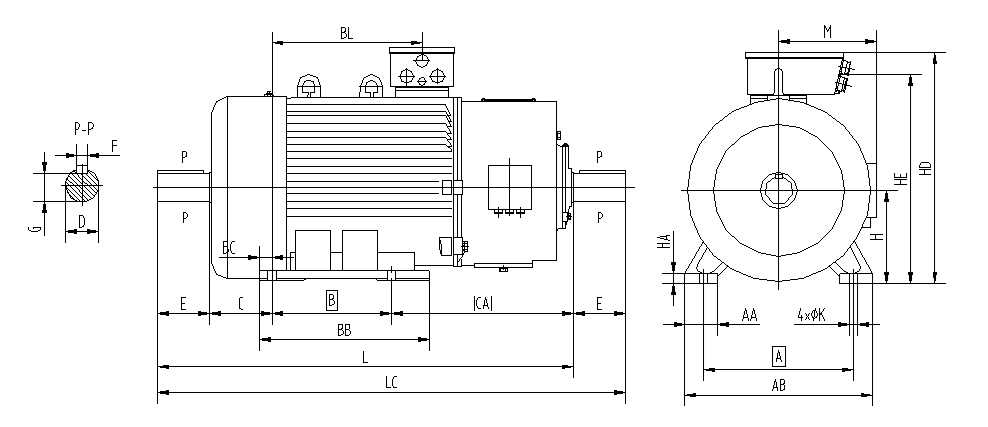
YZR (450-560) Series Wound Rotor Three-Phase Asynchronous Motors for Crane and Metallurgical Applications
Jiamusi Electric Machine Co., Ltd.