US Haddy 3D-Prints TF-179 Unmanned Surface Vessel
en.Wedoany.com Reported - Haddy, a US composite 3D printing company headquartered in St. Petersburg, Florida, has announced the production of an unmanned surface vessel (USV) named TF-179 using robotic large-format additive manufacturing (LFAM) technology. The company released photos of the finished product along with a statement outlining its approach to reshaping maritime hardware manufacturing. Haddy did not disclose the commissioning client or the missions planned for the vessel. Defence Blog's report noted that this method of rapidly building unmanned vessels with robots has become Haddy's specialty over the past year, against the backdrop of rising demand from the US defense industry for small, expendable maritime drones.
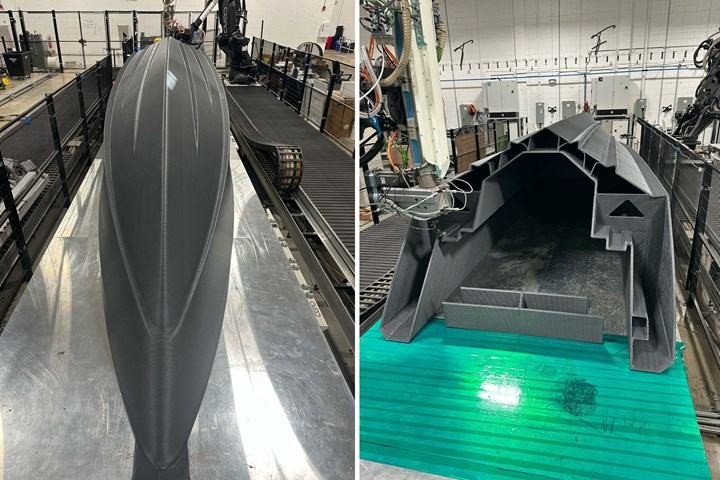
The statement said the maritime industry is redefining how vessels are designed and manufactured, and the TF-179 is part of this evolution. Digital manufacturing enables more agile development cycles, greater design flexibility, and a shorter path from concept to deployment; as demand for specialized maritime platforms grows, manufacturing methods must evolve in tandem, and the ability to rapidly produce, evaluate, and improve complex systems is becoming increasingly important. The company stated it is proud to contribute to the technologies and partnerships shaping the future of maritime manufacturing.
Defence Blog's article also highlighted CW's visit to Haddy's 2,800-square-meter facility. The facility is equipped with eight robotic LFAM systems from CEAD, based in Delft, the Netherlands. CW reported in April 2026 on Haddy's previous low-profile unmanned surface vessel (LPUSV) project in collaboration with HavocAI Inc. (Providence, Rhode Island, USA). In that collaboration, HavocAI developed an autonomous semi-submersible vessel, and Haddy 3D-printed the hull using carbon fiber reinforced polymer (CFRP); a fully functional, testable platform was delivered in days rather than months, enabling rapid integration, field validation, and immediate iteration.
Defence Blog added that such short lead times are nearly unheard of under traditional shipbuilding techniques involving molds, hand layup, and lengthy curing processes. The report also stated that Haddy has established a manufacturing partnership with Blue Ops, the maritime drone division of publicly traded defense company Red Cat Holdings. The collaboration aims to help Blue Ops double its production capacity for its own line of unmanned surface vessels. Blue Ops has been selling these vessels to US and allied militaries as smaller, cheaper alternatives to traditional manned patrol boats.
Defence Blog's article explained that Haddy can adjust vessel designs at the digital level and print new versions within days, rather than retooling an entire physical production line. This flexibility has proven critical in recent naval conflicts from the Black Sea to the Middle East, where battlefield requirements shift rapidly.
Related Products
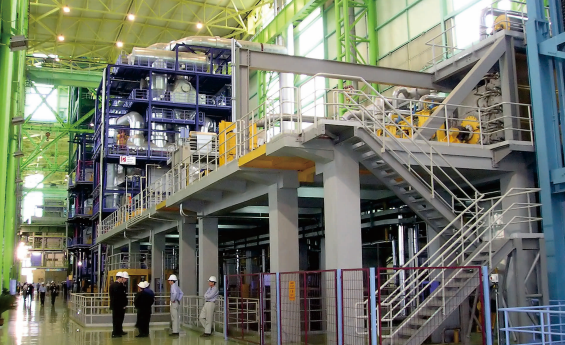

Strip Coating and Plating Production Line Equipment
MCC-SFRE HEAVY INDUSTRY EQUIPMENT CO., LTD.
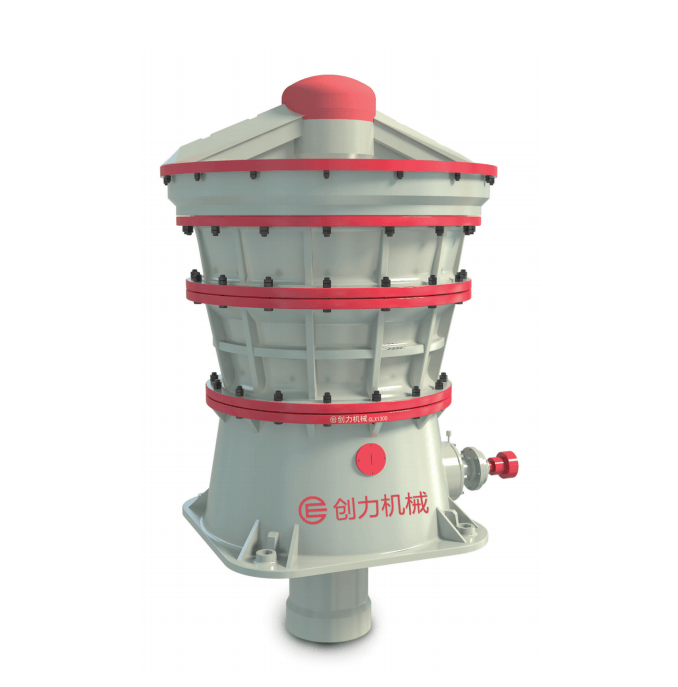
CLX Series Intelligent Hydraulic Gyratory Crusher
Guangdong CHUANGLI intelligent machinery Equipment Co., LTD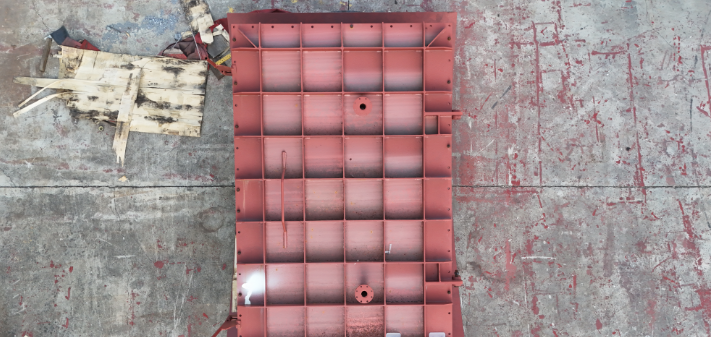
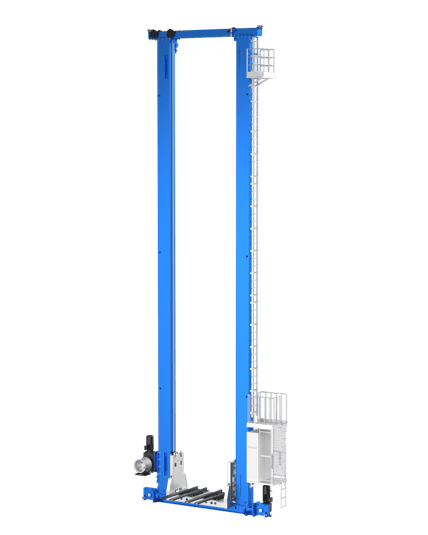
Pallet Solutions Product Line: HD3000 Double-Column Stacker Crane
Zhongding Intelligent (Wuxi) Technology Co., Ltd.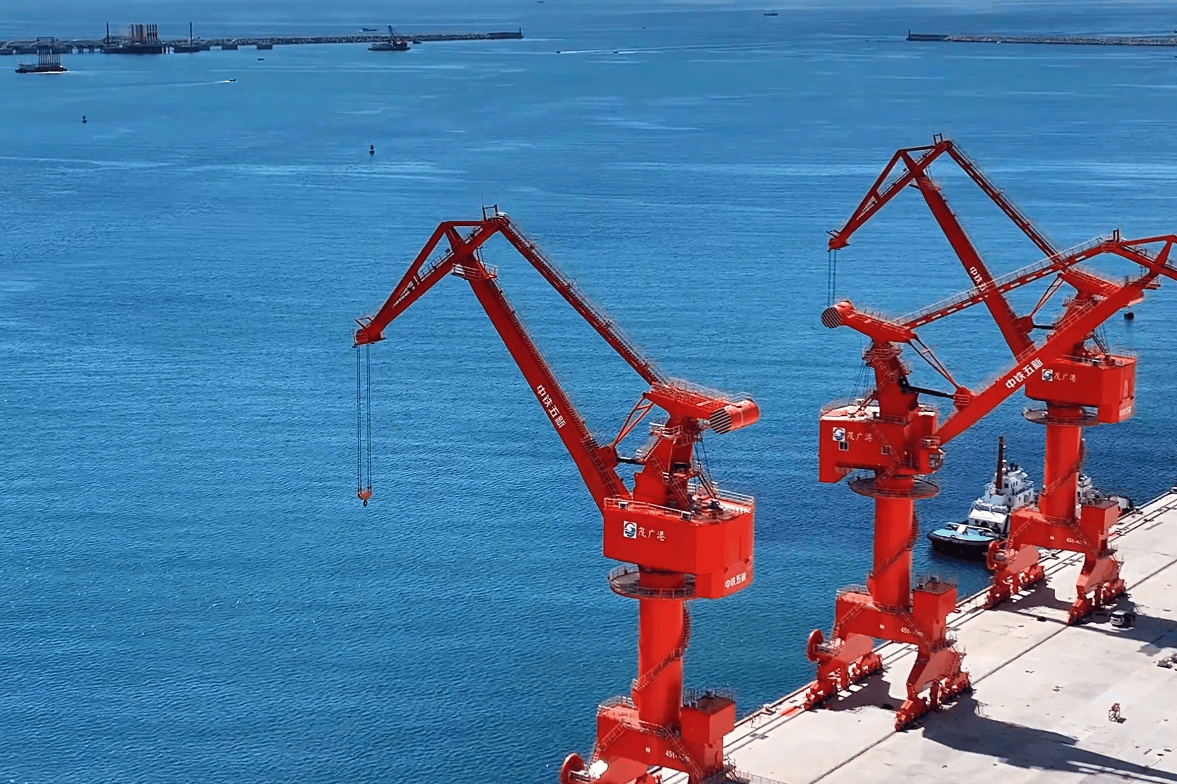
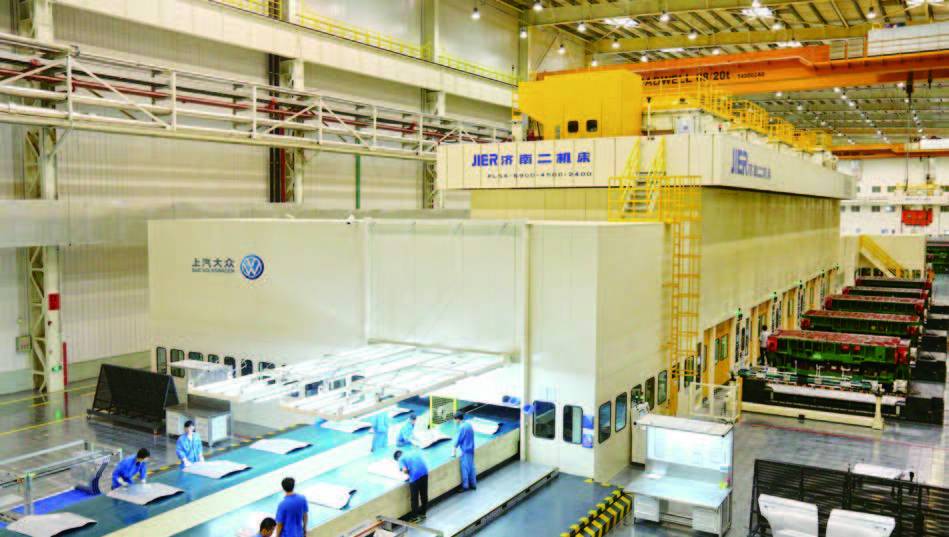
High-Speed Flexible Fully Automatic Stamping Production Line
JIER Machine-Tool Group Co., Ltd.
CAP1400 main feedwater flow nozzle flowmeter.
Jiangsu Hongda Instrument Technology Co., LTD.