Tampa Airport Invests $1.528 Billion in New Terminal, Opening in 2029
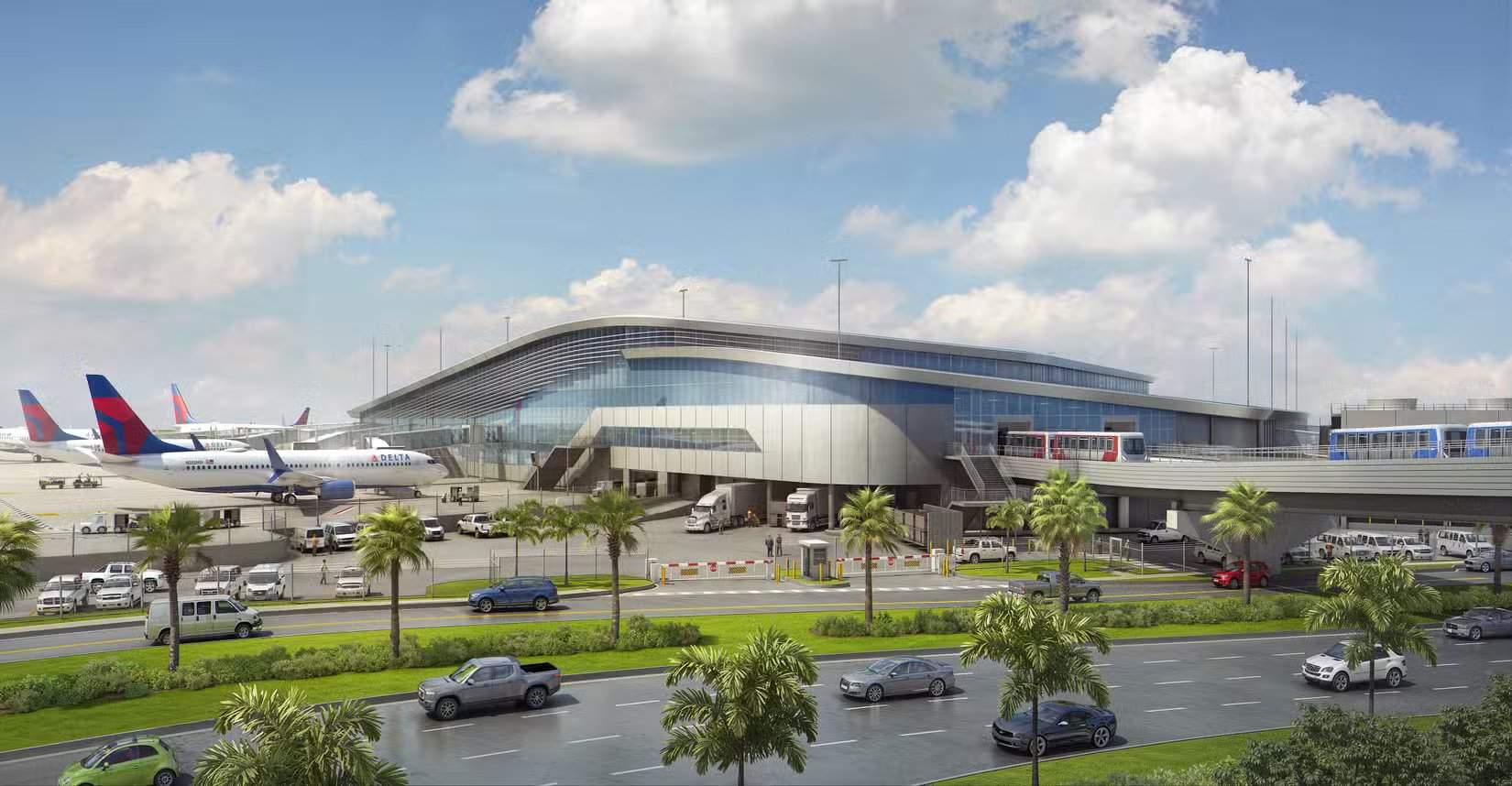
en.Wedoany.com Reported - Tampa International Airport (TPA) is investing $1.528 billion to build the new Airside D concourse, with Delta Air Lines having signed a 20-year master lease agreement for at least six of its gates. The project is scheduled for completion by the end of 2028 and will open to the public in 2029, increasing the airport's annual passenger handling capacity from the current 25 million to 35 million by 2037. Once the new Federal Inspection Services (FIS) customs facility is operational, the airport will have the capability to handle international arrivals on wide-body aircraft, potentially allowing Delta to develop Tampa into an international gateway.
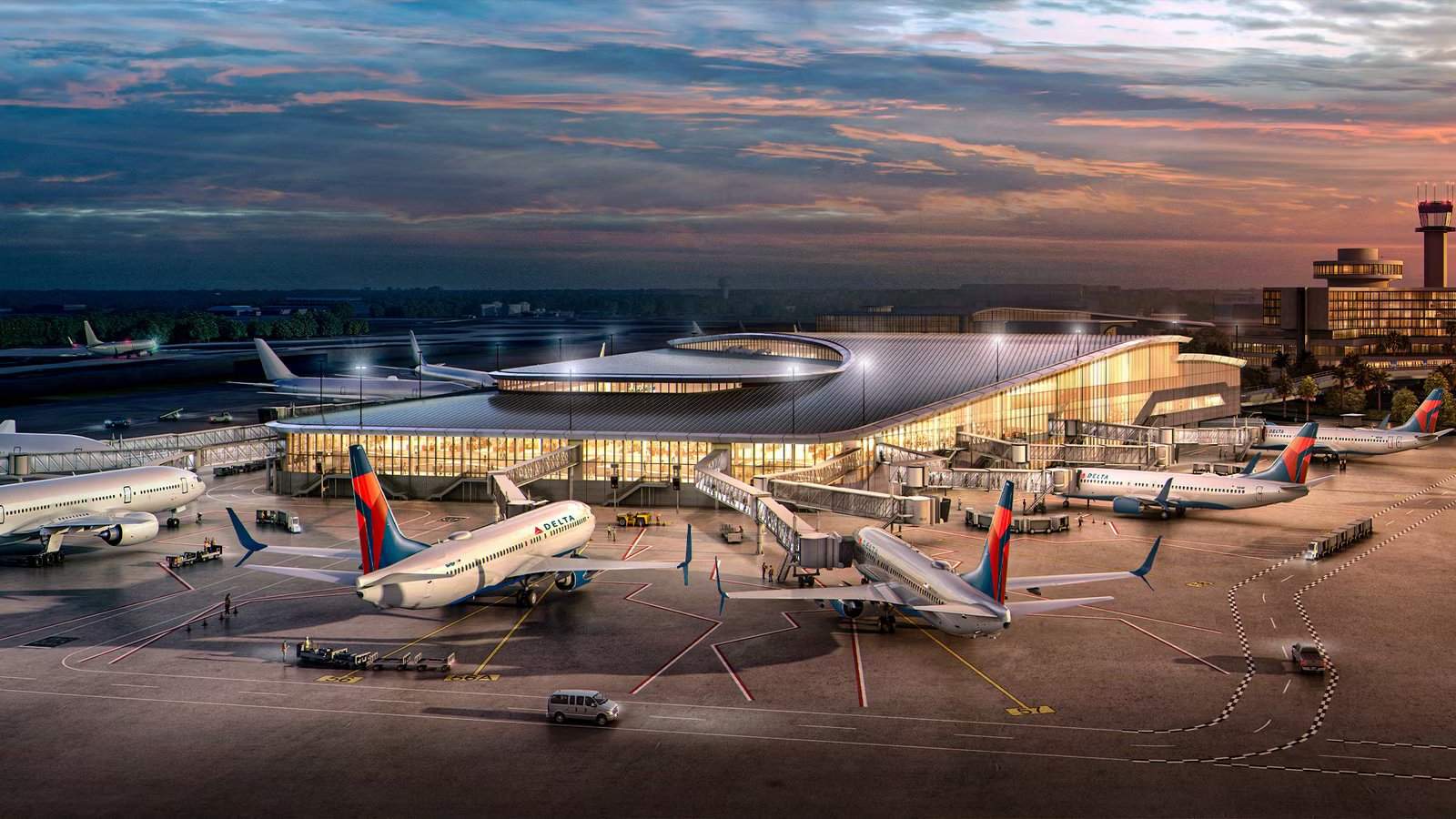
Airside D is TPA's first new concourse-style terminal in nearly 20 years, spearheaded by the Hillsborough County Aviation Authority, whose board approved 100% final design for the project on February 5. The facility spans 600,000 square feet (approximately 55,742 square meters), features 16 gates capable of serving both domestic and international flights simultaneously, and includes an FIS customs inspection area, a security checkpoint with 8 lanes, and a new checked-baggage screening system in the main terminal. The total project cost is $1.528 billion, including a $902 million supplemental contract approved in late 2025. Steel erection began this summer, with a 300-ton crane currently on site. The entire framework consists of 6,200 tons of steel and more than 7,300 individual components, connected using 96,000 bolts and a combined 212,000 inches of welding. Approximately 200 workers are currently on site daily, a number expected to increase significantly as work transitions to mechanical, electrical, and interior fit-out phases. The project is designed by HNTB, the same firm behind TPA's existing main terminal and automated people mover system.
Delta Air Lines' master lease covers at least 6 of the 16 gates for a 20-year term, with exclusive use of the Airside D gates lasting until approximately 2049, and includes a mezzanine-level Delta Sky Club lounge—Delta's first purpose-built lounge at TPA. The remaining 10 gates will be made available to other airlines, with the Aviation Authority retaining flexible allocation rights. This represents Delta's longest-term and largest terminal commitment at any mid-size airport in Florida. Delta currently operates approximately 90 daily departures from Tampa, serving Atlanta, Detroit, Minneapolis-Saint Paul, Salt Lake City, New York JFK, Boston, and Amsterdam. The Amsterdam route, operated by the Airbus A330-900neo, is Delta's first year-round wide-body international route from TPA and serves as a precursor to its concept of expanding European service from Airside D. Securing six gates in an FIS-equipped terminal means Delta can add international routes without competing for capacity at the airport's existing international facilities.
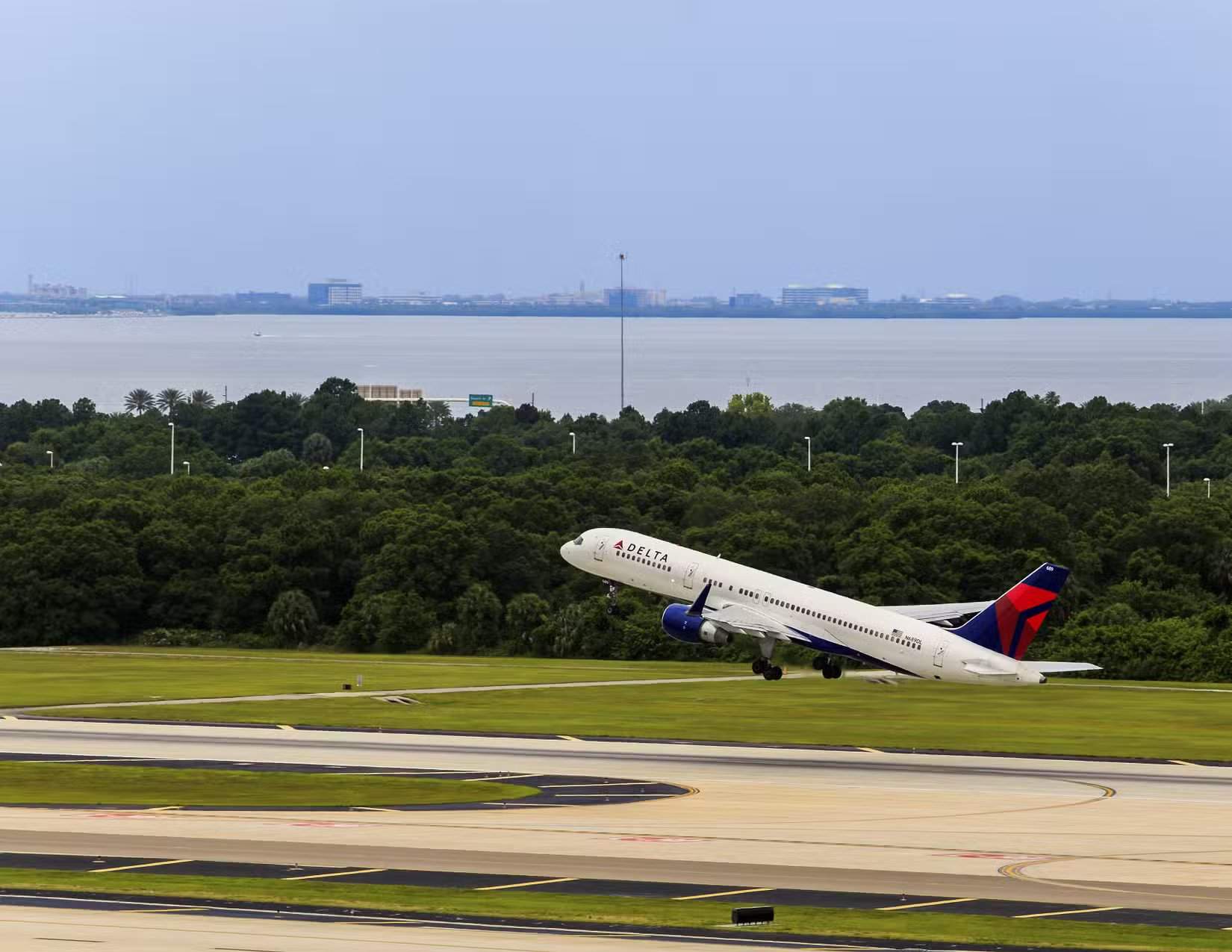
Delta Air Lines operates the largest domestic hub-and-spoke network of any U.S. carrier, with hubs including Hartsfield-Jackson Atlanta International Airport (ATL), Detroit Metropolitan Wayne County Airport (DTW), Minneapolis-Saint Paul International Airport (MSP), Salt Lake City International Airport (SLC), Seattle-Tacoma International Airport (SEA), John F. Kennedy International Airport (JFK), Boston Logan International Airport (BOS), and Los Angeles International Airport (LAX), with Atlanta as the largest hub handling over 1,000 daily flights. In Florida, Delta's operations are spread across Orlando International Airport (MCO), Fort Lauderdale-Hollywood International Airport (FLL), Miami International Airport (MIA), Jacksonville International Airport (JAX), and TPA, with no dominant hub—Orlando and Fort Lauderdale have the highest flight frequencies due to leisure demand from Northeast and Midwest hubs. The master lease does not make Tampa a Delta connecting hub, but rather positions it as a long-term focus city with dedicated infrastructure, a premium lounge, and physical room for growth well beyond the current 90 daily flights. An ordinary station sharing gates under short-term agreements versus a focus city with a 20-year lease and a dedicated Sky Club receive different treatment in Delta's investment and scheduling priorities.
TPA already has a certain level of international service. Edelweiss operates a Zurich route, avianca offers daily flights to Bogotá, Delta operates a year-round Amsterdam route, and Caribbean and Canadian routes cover destinations such as San Juan, Toronto, Montreal, Cancún, and Santo Domingo. The airport's constraint lies in the insufficient capacity of its existing customs inspection facilities, which lack significant room for expansion. Airside D's dedicated FIS area will change this: the new facility features a Customs and Border Protection processing area capable of handling wide-body international arrivals and domestic operations simultaneously at the same jet bridge. For Delta, six FIS-capable gates make European routes requiring full international arrival halls—such as London and Paris—infrastructure-feasible, routes that cannot operate from existing gate positions. Airport authority route development data shows that approximately 50% of Tampa's current international origin-and-destination traffic uses other Florida airports such as MIA, MCO, and FLL, with Tampa Bay residents often traveling to out-of-town airports due to TPA's limited international nonstop options—Airside D is designed precisely to recapture this leakage.
The Tampa Bay metropolitan area is one of the fastest-growing regions in the United States. Including Hillsborough, Pinellas, Pasco, and Hernando counties, the four-county metro area has added more than 400,000 residents since 2010 and now has a population exceeding 3.3 million. The regional economy has diversified beyond tourism and military bases into finance, healthcare, technology, and logistics, with corporate travel demand layered on top of leisure traffic. TPA handled approximately 24 million passengers in 2024 and 24.5 million in fiscal year 2025, approaching the 25 million capacity ceiling set by the Aviation Authority.
The 2029 opening timeline aligns with Delta's fleet plan. A321neo deliveries, expected to begin in the late 2020s, will give Delta narrow-body aircraft to serve European destinations from Tampa, while A350-1000 deliveries starting in late 2026 will free up A330-900neo and A350-900 aircraft for international routes at secondary hubs and focus cities. The year-round Amsterdam service on the A330-900neo has already validated the feasibility of operating European wide-body routes from Tampa—if that route performs well in 2027 and 2028, adding more European destinations from Airside D once the facility opens would be a natural extension of this strategy.
Related Products
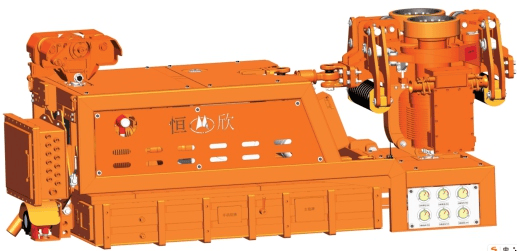

Explosion-proof lithium battery dispatching monorail crane locomotive (permanent magnet frequency conversion integrated machine)
Xiangtan Hengxin Industrial Co., Ltd.
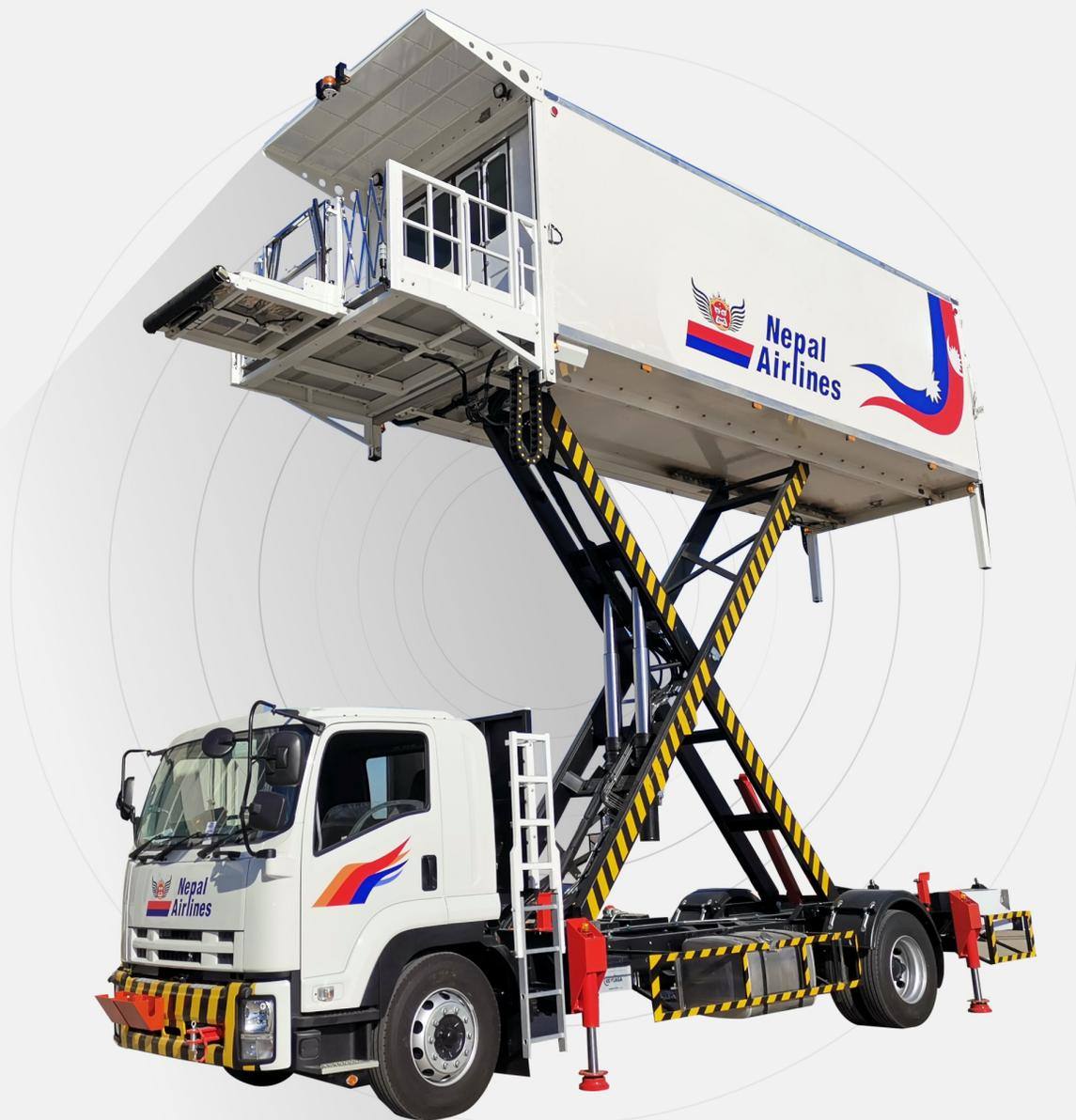
XC-6000e Type Aviation Catering Truck (Fuel Type)
Shenzhen CIMC-TianDa Airport Support Ltd.
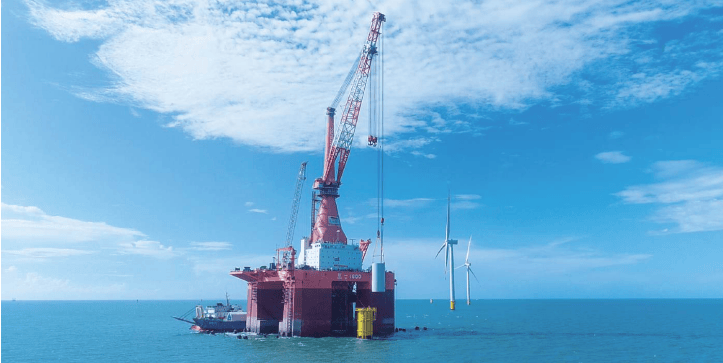
"Shunyi 1600" Deep-submerging Bottom-sitting Multi-functional Wind Power Engineering Vessel
Zhengli Offshore Engineering Co., Ltd.

3m intelligent buoy combining navigation safety and real-time marine monitoring integrated navigation and marine monitoring system for real-time maritime data
Chengdu Dixin Technology Co., Ltd.